ABHR Gel Dosage: Finding the Right Balance for Effective Hand Hygiene
Published on September 9, 2024
Key Takeaway
The optimal ABHR gel dosage depends on factors like hand size and drying time, with 1.5-3 mL generally recommended for effective coverage and antimicrobial efficacy.
Introduction
Alcohol-based hand rubs (ABHRs) play a crucial role in preventing infection transmission in healthcare settings. However, the effectiveness of these products heavily depends on proper application techniques and dosage. This article explores the latest research on ABHR gel dosage, focusing on finding the right balance for optimal hand hygiene practices.
The Importance of Proper ABHR Gel Dosage
Applying the correct amount of ABHR gel is essential for achieving effective hand disinfection. Recent studies have shown that insufficient dosage can lead to inadequate hand coverage, potentially compromising infection control efforts. On the other hand, excessive application can result in longer drying times and product wastage.
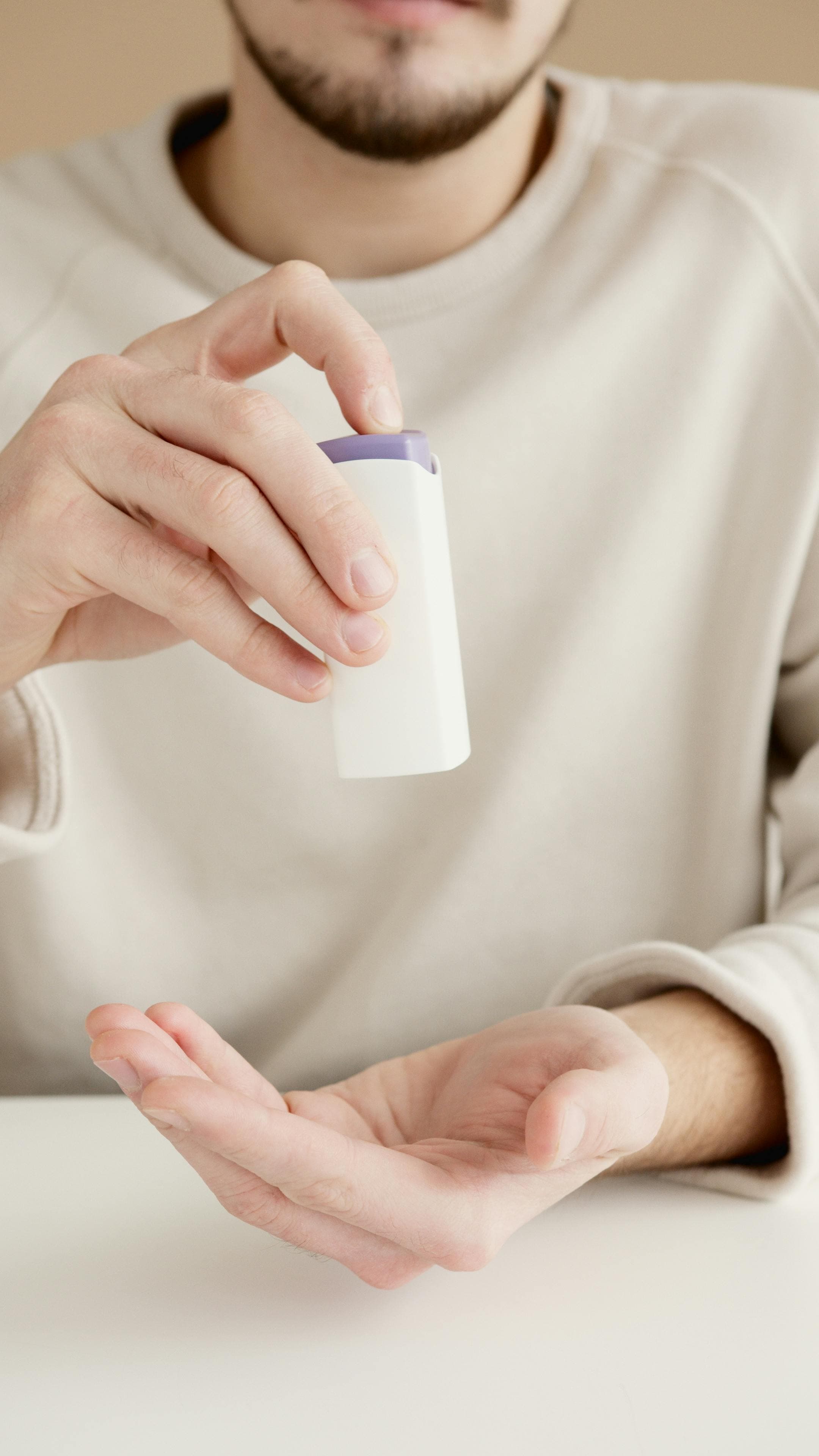
Factors Influencing Optimal ABHR Gel Dosage
Several factors affect the ideal ABHR gel dosage for effective hand hygiene:
- Hand size
- Product formulation (gel, foam, or liquid)
- Alcohol concentration
- Desired drying time
- Individual application technique
Research Findings on ABHR Gel Dosage
A 2023 study by Voniatis et al. investigated the effectiveness of different ABHR volumes and formulations. The researchers found that:
- 1.5 mL of ABHR was insufficient for complete hand coverage, leaving 5.8-7.0% of the hand surface uncovered.
- 3 mL of ABHR resulted in almost complete coverage (uncovered areas below 1.5%).
- Drying times were 30-32 seconds for 1.5 mL and 40-42 seconds for 3 mL applications.
These findings suggest that while 3 mL provides better coverage, the extended drying time may not be practical in clinical settings. The study highlights the need for personalized, hand-size-based ABHR volumes to optimize both coverage and practicality.
Efficacy and Application Volume
Suchomel et al. (2018) investigated the relationship between ABHR application volume and antimicrobial efficacy. Their research revealed:
- Mean log10 reduction factors increased with higher application volumes (1.99 for 1 mL, 2.96 for 2 mL, and 3.28 for 3 mL).
- A significant correlation between dry-time and log reduction factor, independent of application volume.
These results emphasize that achieving an adequate dry-time is crucial for ABHR efficacy, suggesting that dosing should be customized to each individual.

Practical Recommendations for ABHR Gel Dosage
Based on the current research, healthcare professionals should consider the following recommendations for ABHR gel dosage:
- Aim for a volume between 1.5-3 mL, depending on hand size and product formulation.
- Ensure complete hand coverage, paying attention to often-missed areas like fingertips and thumbs.
- Allow sufficient time for the product to dry completely before proceeding with tasks.
- Consider using automated dispensers that deliver consistent, appropriate volumes.
- Regularly assess and adjust personal application techniques for optimal coverage and efficacy.
Conclusion
Finding the right ABHR gel dosage is crucial for effective hand hygiene in healthcare settings. While research suggests that volumes between 1.5-3 mL are generally effective, the optimal amount may vary based on individual factors. Healthcare workers should focus on achieving complete hand coverage and allowing sufficient drying time to maximize antimicrobial efficacy. By understanding and implementing these principles, we can significantly improve infection control practices and patient safety.