Adenoids and Post-Nasal Drip: Causes, Symptoms, and Treatment Options
Published on September 9, 2024
Key Takeaway
Adenoid hypertrophy can contribute to post-nasal drip, but effective treatments like adenoidectomy and intranasal steroids can significantly improve symptoms and quality of life for affected individuals.
Introduction
Adenoids and post-nasal drip are two closely related issues that can significantly impact a person's quality of life, especially in children. This article will explore the connection between adenoid hypertrophy and post-nasal drip, discuss common symptoms, and examine various treatment options to help those affected find relief.
Understanding Adenoids and Their Function
Adenoids are lymphoid tissue located in the nasopharynx, playing a crucial role in the body's immune system. According to Nicholas L. Mankowski and Bruno Bordoni, adenoids typically undergo physiological hypertrophy between 6-10 years of age. However, when adenoids become enlarged beyond normal limits, they can cause various issues, including post-nasal drip.

The Link Between Adenoid Hypertrophy and Post-Nasal Drip
Adenoid hypertrophy can contribute to post-nasal drip in several ways:
- Obstruction of nasal airflow
- Increased mucus production
- Impaired mucociliary clearance
A study by Lucia Marusiakova et al. found that children with adenoid hypertrophy had impaired mucociliary clearance due to decreased nasal ciliary beat frequency (CBF). This impairment can lead to the accumulation of mucus and contribute to post-nasal drip symptoms.
Common Symptoms of Adenoid Hypertrophy and Post-Nasal Drip
Individuals with adenoid hypertrophy and associated post-nasal drip may experience a range of symptoms. V Bettadahalli et al. reported that the most frequent symptoms in children with chronic rhinosinusitis related to adenoid issues were:
- Nasal obstruction (100% of patients)
- Cough (90% of patients)
- Fever (85% of patients)
- Fatigue (81.7% of patients)
Diagnosis of Adenoid Hypertrophy
Proper diagnosis is crucial for effective treatment. Common diagnostic methods include:
- Physical examination
- Nasal endoscopy
- Lateral soft tissue x-ray imaging
- Flexible nasopharyngoscopy
Qinyuan Sun et al. highlighted the importance of these diagnostic techniques in assessing the impact of adenoid hypertrophy on nasal airflow and inhalation exposure.
Treatment Options for Adenoid-Related Post-Nasal Drip
1. Intranasal Steroids
Intranasal steroids have shown promising results in treating adenoid hypertrophy and associated symptoms. Hasan Demirhan et al. conducted a study using fluticasone propionate nasal drops, which resulted in significant improvement of symptoms and a 35.6% decrease in adenoid size after 8 weeks of treatment.
2. Adenoidectomy
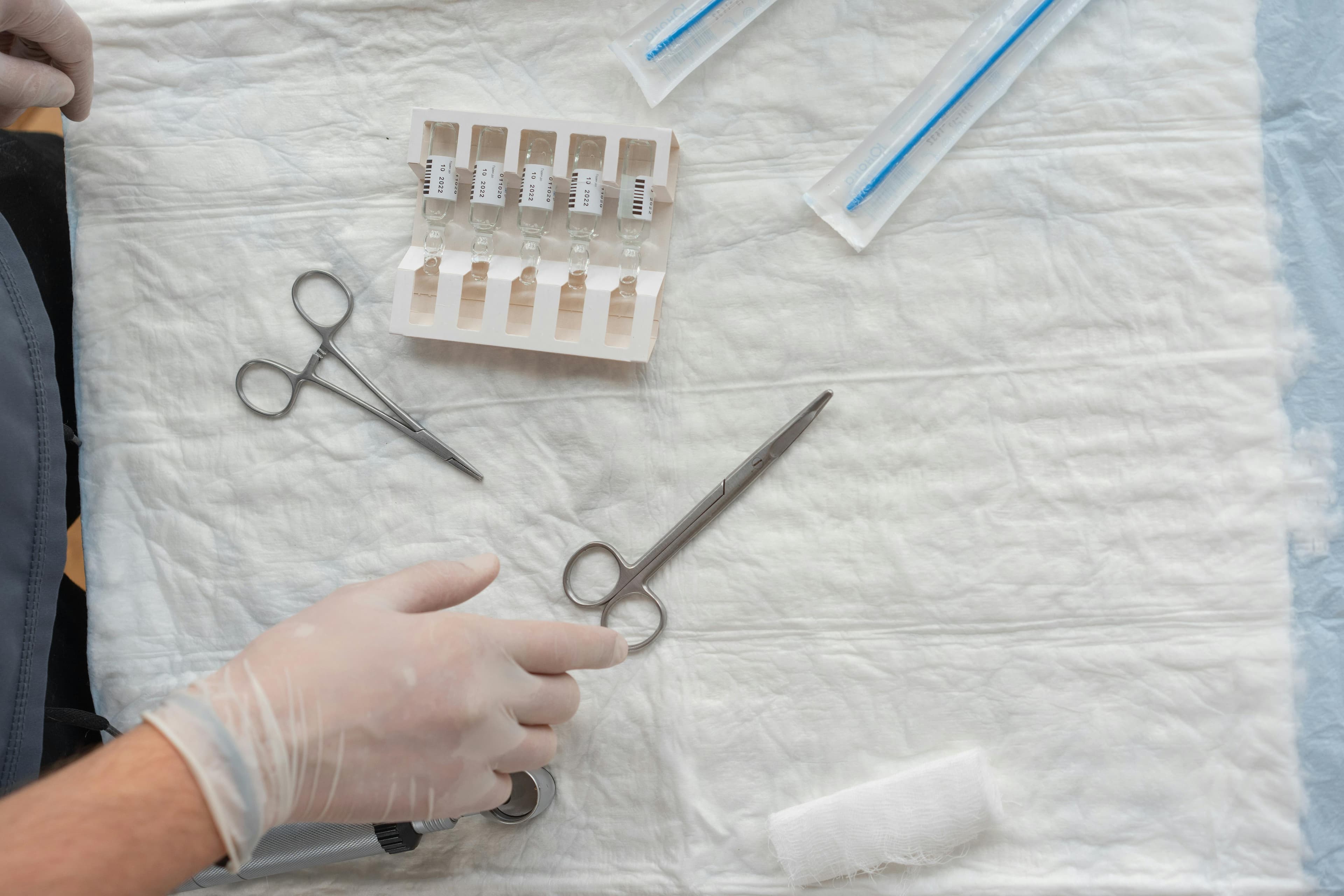
For cases where medical management is insufficient, adenoidectomy remains a highly effective surgical option. Peter J Ciolek et al. reported that 98% of patients experienced improvement or resolution of their symptoms following adenoidectomy.
3. Combination Therapy
Some patients may benefit from a combination of surgical and medical approaches. Yavuz Selim Yildirim et al. found that using mometasone furoate nasal spray following adenoidectomy significantly prevented regrowth and reduced nasal obstruction symptoms in the early post-operative period.
Long-Term Outcomes and Follow-Up
It's important to monitor patients after treatment to ensure long-term success. M A Bitar et al. conducted a follow-up study showing that the positive effects of intranasal steroids on obstructive adenoids persisted in a significant number of patients even after cessation of treatment.
Conclusion
Adenoid hypertrophy and its associated post-nasal drip can significantly impact quality of life, especially in children. However, with proper diagnosis and treatment, whether through medical management, surgical intervention, or a combination of both, most patients can experience substantial relief from their symptoms. As research continues to advance our understanding of these conditions, we can expect even more effective and targeted treatments in the future.