Adnexa Ophthalmology: Understanding Eye Structures Beyond the Eyeball
Published on September 9, 2024
Key Takeaway
Adnexa ophthalmology focuses on the structures surrounding the eye, including eyelids, tear ducts, and orbital tissues, which play crucial roles in eye health and function.
Introduction
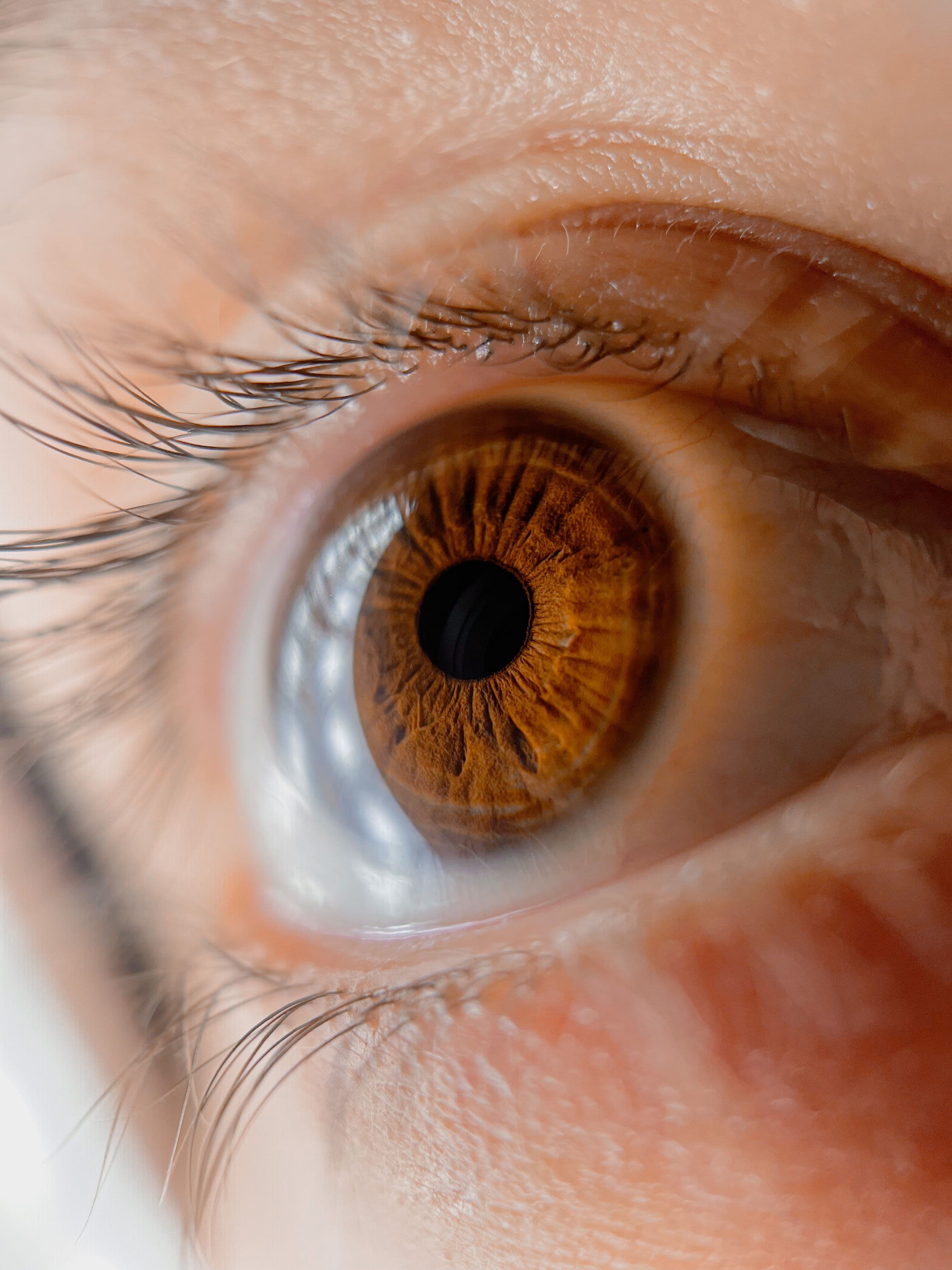
When we think about eye health, our minds often jump straight to the eyeball itself. However, the field of adnexa ophthalmology reminds us that there's much more to our visual system than meets the eye. This specialized area focuses on the structures surrounding the eye, collectively known as the ocular adnexa. These include the eyelids, tear ducts, orbital tissues, and more. Understanding these components is crucial for maintaining overall eye health and addressing a wide range of ocular conditions.
What Are the Ocular Adnexa?
The ocular adnexa comprise several key structures:
- Eyelids
- Conjunctiva
- Lacrimal apparatus (tear ducts and glands)
- Orbital tissues
- Extraocular muscles
Each of these plays a vital role in protecting the eye, maintaining its moisture, and facilitating proper eye movement.
Common Conditions in Adnexa Ophthalmology
Adnexa ophthalmology deals with a wide range of conditions, from minor irritations to serious diseases. Some common issues include:
- Blepharitis (eyelid inflammation)
- Dry eye syndrome
- Orbital cellulitis
- Lacrimal duct obstruction
- Ocular adnexal tumors
One particularly noteworthy condition is ocular adnexal lymphoma. According to a study by Ponzoni et al. (2013), this type of lymphoma accounts for 1-2% of all non-Hodgkin lymphomas and 5-15% of extranodal lymphomas. The most common subtype is marginal zone B-cell lymphoma, comprising about 62% of cases.
Diagnostic Techniques in Adnexa Ophthalmology
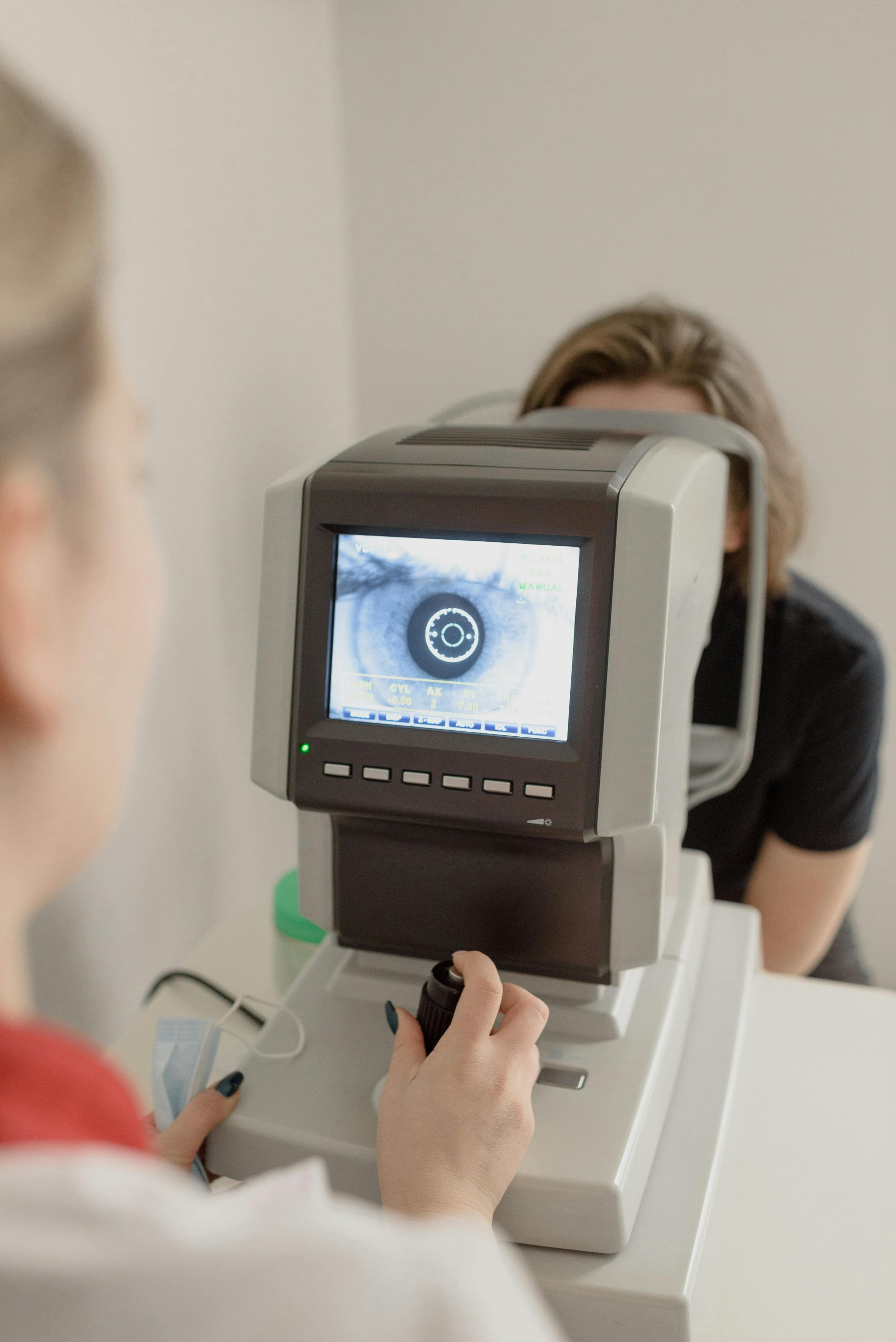
Accurate diagnosis is crucial in adnexa ophthalmology. Ophthalmologists use a variety of techniques, including:
- Slit-lamp examination
- Imaging studies (CT, MRI)
- Biopsy and histopathological analysis
Recent advancements in diagnostic technology have significantly improved our ability to detect and characterize adnexal conditions. For instance, Qurban et al. (2024) highlight the potential of Artificial Intelligence and Machine Learning in diagnosing ocular adnexal tumors, particularly for conditions like conjunctival melanoma and squamous conjunctival carcinoma.
Treatment Approaches
Treatment in adnexa ophthalmology varies widely depending on the specific condition. Options may include:
- Topical medications
- Systemic treatments
- Surgical interventions
- Radiation therapy (for certain tumors)
For instance, in cases of ocular adnexal lymphoma, Cömert Özkan et al. (2015) note that treatment must be tailored to the individual case due to high local and extraorbital recurrence rates. This may involve local therapy, systemic treatment, or a combination of both.
The Future of Adnexa Ophthalmology
The field of adnexa ophthalmology is rapidly evolving. Emerging areas of research include:
- Gene therapy for inherited adnexal disorders
- Novel targeted therapies for ocular adnexal tumors
- Advanced imaging techniques for early detection of adnexal conditions
As noted by Milman et al. (2021), the identification of gene fusions in ocular adnexal tumors is revolutionizing our approach to diagnosis, prognosis, and therapy in this field.
Conclusion
Adnexa ophthalmology plays a crucial role in maintaining overall eye health and vision. By focusing on the structures surrounding the eye, this field addresses a wide range of conditions that can significantly impact a patient's quality of life. As research continues to advance, we can expect even more sophisticated diagnostic tools and targeted treatments, further improving outcomes for patients with adnexal conditions. Whether you're a healthcare professional or simply someone interested in eye health, understanding the importance of the ocular adnexa is key to appreciating the complexity and wonder of our visual system.