Back Pain After Hip Labrum Repair: Causes, Recovery, and Management
Published on September 10, 2024
Key Takeaway
While hip labrum repair can significantly improve hip function and pain, some patients may experience back pain post-surgery due to biomechanical changes, which typically improves with proper rehabilitation and management.
Introduction
Hip labrum repair is a common surgical procedure used to address labral tears and improve hip function. While many patients experience significant relief from hip pain after this surgery, some may develop or experience worsening back pain. This article explores the relationship between hip labrum repair and back pain, discussing potential causes, recovery expectations, and management strategies.
Understanding Hip Labrum Repair
The hip labrum is a ring of cartilage that surrounds the hip socket, providing stability and cushioning to the joint. Labral tears can cause pain, clicking, and reduced hip function. Hip labrum repair aims to restore the labrum's integrity and improve overall hip mechanics. Philippon et al. (2006) highlight that labral repair and capsular treatment are crucial interventions to optimize hip joint function.
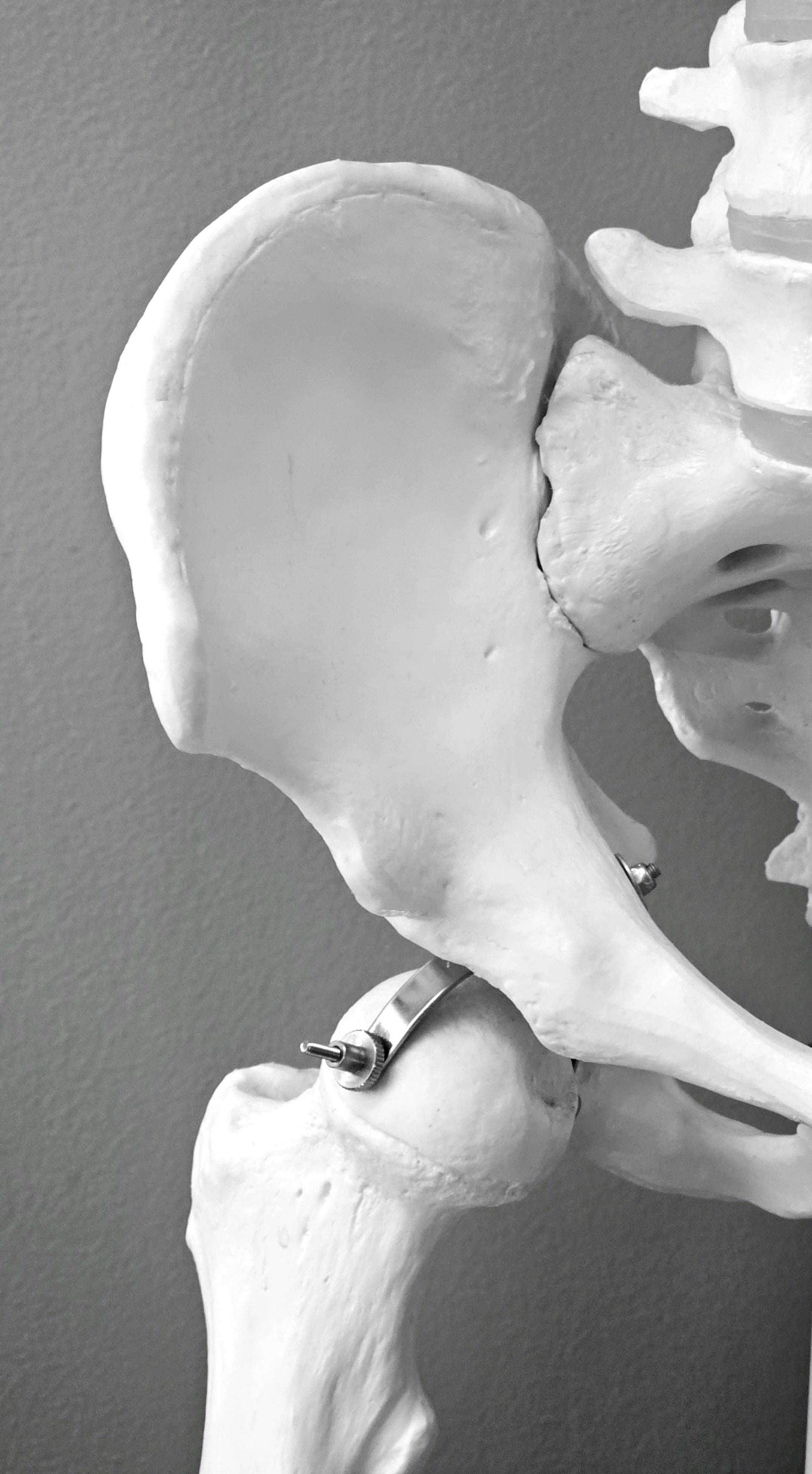
Causes of Back Pain After Hip Labrum Repair
Several factors can contribute to back pain following hip labrum repair:
- Altered Biomechanics: Changes in hip movement patterns post-surgery can affect spinal alignment and load distribution, potentially leading to back pain.
- Compensatory Mechanisms: During recovery, patients may unconsciously adopt postures or movement patterns that stress the lower back.
- Pre-existing Spinal Issues: Parvizi et al. (2010) found that many patients with hip arthritis also have lumbar spine degeneration, which may become more noticeable after hip surgery.
- Muscle Imbalances: Weakness or tightness in hip and core muscles during recovery can contribute to back strain.
- Sacroiliac Joint Stress: Changes in pelvic mechanics post-surgery may increase stress on the sacroiliac joint, causing referred back pain.
Recovery Timeline and Expectations
Recovery from hip labrum repair varies among individuals, but generally follows this timeline:
- 0-6 weeks: Focus on protecting the repair, gentle range of motion exercises, and pain management.
- 6-12 weeks: Gradual increase in weight-bearing and strengthening exercises.
- 3-6 months: Progressive return to normal activities and sport-specific training.
- 6-12 months: Full recovery and return to high-level activities for most patients.
It's important to note that back pain may fluctuate during this period. Chimenti et al. (2016) reported that among patients with moderate to severe low back pain before hip surgery, 56% experienced improvement six months post-operatively.
Managing Back Pain After Hip Labrum Repair
Effective management of back pain following hip labrum repair involves a multifaceted approach:
- Physical Therapy: A tailored rehabilitation program addressing both hip and spine mechanics is crucial. This should include core strengthening, hip muscle balancing, and proper movement pattern training.
- Posture and Ergonomics: Maintaining good posture and ergonomics during daily activities can significantly reduce back strain.
- Pain Management: Appropriate use of ice, heat, and over-the-counter anti-inflammatory medications can help manage pain and inflammation.
- Activity Modification: Gradually increasing activity levels while avoiding excessive strain on the back is important for recovery.
- Manual Therapy: Techniques such as massage, mobilization, or manipulation may help address muscle imbalances and joint restrictions.

When to Seek Additional Medical Attention
While some back pain during recovery is not uncommon, certain symptoms warrant further medical evaluation:
- Severe or worsening back pain
- Radiating pain, numbness, or tingling in the legs
- Loss of bladder or bowel control
- Fever or signs of infection
- Significant limitation in daily activities due to back pain
Conclusion
Back pain after hip labrum repair can be a challenging aspect of recovery for some patients. However, with proper understanding, management, and patience, most individuals can successfully navigate this issue. A comprehensive approach involving physical therapy, lifestyle modifications, and open communication with your healthcare team is key to optimizing your recovery and minimizing back pain. Remember that every patient's journey is unique, and it's essential to work closely with your surgeon and rehabilitation specialists to tailor a recovery plan that best suits your individual needs.