Can Neck Pain Cause Sciatica? Exploring the Surprising Connection
Published on October 4, 2024
Key Takeaway
While neck pain is not a common cause of sciatica, in rare cases, cervical spine issues can lead to sciatica-like symptoms, emphasizing the importance of a thorough diagnostic approach for persistent sciatic pain.
Introduction
When you think of sciatica, you probably imagine pain radiating from your lower back down your leg. But what if I told you that in some rare cases, the source of your sciatic pain could be in your neck? It sounds counterintuitive, but the complex nature of our nervous system means that issues in the cervical spine can sometimes manifest as symptoms typically associated with lower back problems. Let's dive into this surprising connection and explore what it means for those suffering from sciatic pain.
Understanding Sciatica: The Basics
Before we delve into the neck-sciatica connection, it's important to understand what sciatica is. Sciatica refers to pain that radiates along the path of the sciatic nerve, which branches from your lower back through your hips and buttocks and down each leg. According to a study by Davis et al. (2024), the most common cause of sciatica is a herniated or bulging lumbar intervertebral disc. However, the study also notes that any condition structurally impacting or compressing the sciatic nerve may cause sciatica symptoms.

The Neck-Sciatica Connection: How Is It Possible?
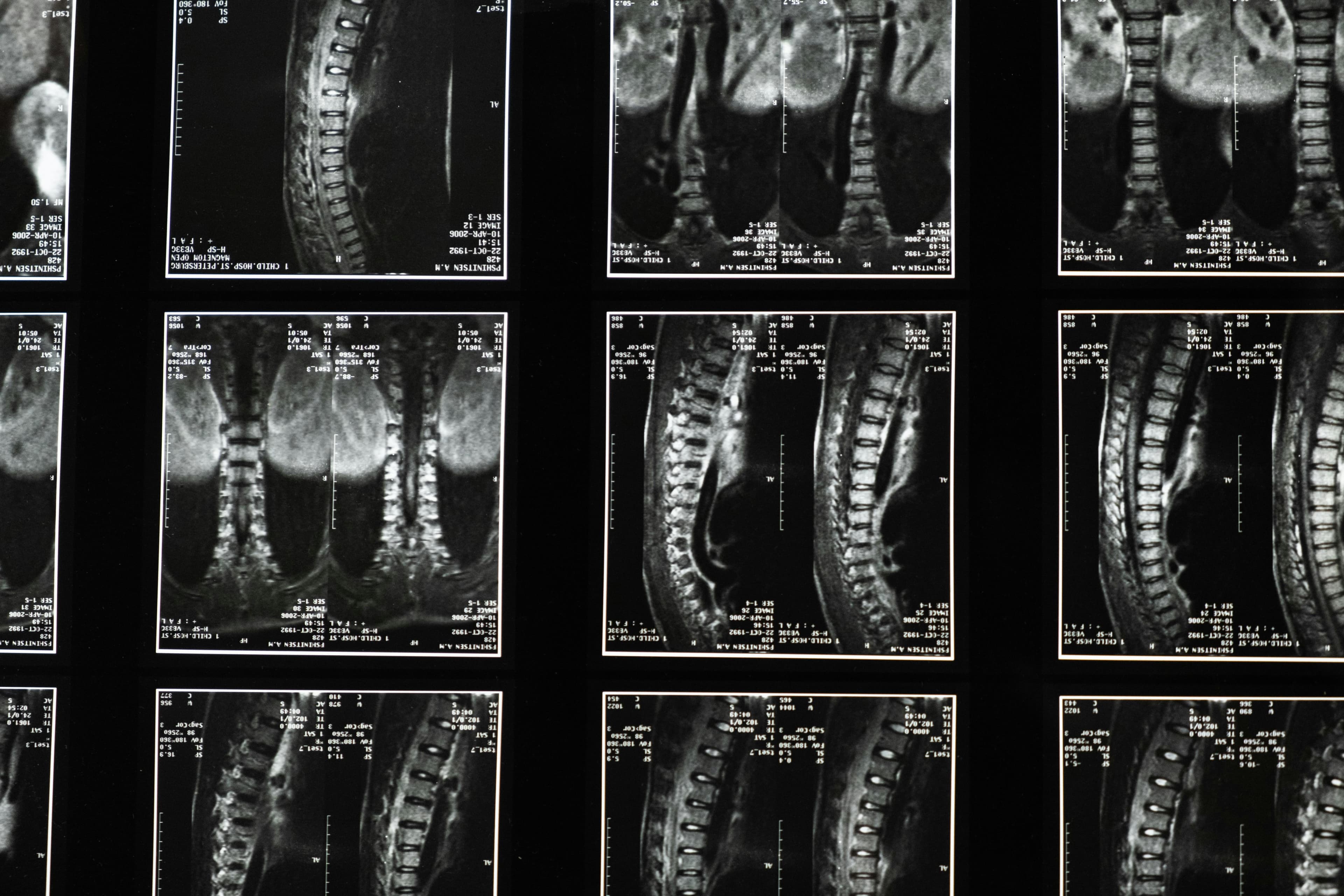
While it's rare, neck problems can indeed cause sciatica-like symptoms. This phenomenon is often referred to as "cervical sciatica" or "cervical radiculopathy with leg symptoms." A study by Ito et al. (1999) reported two cases where sciatica was the initial and major symptom of cervical spinal cord compression. In these cases, imaging studies showed no lesions in the lumbar spine, but instead revealed compression of the cervical cord.
Mechanisms Behind Cervical-Induced Sciatica
There are several ways in which neck issues can lead to sciatica-like symptoms:
- Spinal Cord Compression: Severe compression of the cervical spinal cord can affect nerve signals traveling to the lower body.
- Referred Pain: In some cases, the brain may misinterpret signals from compressed cervical nerves as coming from the sciatic nerve.
- Central Sensitization: Chronic neck pain can lead to increased sensitivity of the central nervous system, potentially causing pain in other areas of the body.
Diagnostic Challenges
Identifying cervical-induced sciatica can be challenging. Chu et al. (2022) reported a case where a patient with suspected lumbar radiculopathy was ultimately diagnosed with a thoracic schwannoma after visiting a chiropractor. This case highlights the importance of considering spinal cord lesions as a potential cause of sciatic pain, especially when patients fail to improve with treatment or have atypical findings.
When to Suspect Cervical Involvement in Sciatica
Consider the possibility of cervical involvement if:
- Sciatica symptoms persist despite appropriate lumbar treatment
- There's a broad sensorimotor distribution unexplained by lumbar imaging
- The patient exhibits hyperreflexia or other upper motor neuron signs
- Pain worsens with neck movements or positions
Diagnostic Approach
If cervical involvement is suspected, a comprehensive diagnostic approach is crucial:
- Thorough neurological examination
- Cervical and thoracic spine MRI
- Electromyography (EMG) and nerve conduction studies
- Consultation with a neurologist or spine specialist
Treatment Options
Treatment for cervical-induced sciatica depends on the underlying cause but may include:
- Conservative measures (physical therapy, pain management)
- Cervical decompression surgery in severe cases
- Targeted treatment of any identified cervical spine issues
Conclusion
While neck pain causing sciatica is rare, it's a possibility that shouldn't be overlooked, especially in cases of persistent or atypical sciatica. This connection underscores the importance of a thorough diagnostic approach and the need to consider the entire spine when evaluating sciatic pain. If you're experiencing persistent sciatica that doesn't respond to conventional treatments, don't hesitate to discuss the possibility of cervical involvement with your healthcare provider. Remember, proper diagnosis is key to effective treatment and relief from sciatic pain, regardless of its origin.