Can You Get Gout in Your Heel? Understanding Heel Gout
Published on September 5, 2024
Key Takeaway
While gout most commonly affects the big toe, it can indeed occur in the heel, causing severe pain and inflammation that requires prompt medical attention and lifestyle changes.
Introduction
When you think of gout, the image of a swollen, painful big toe likely comes to mind. But did you know that this form of inflammatory arthritis can affect other parts of your foot, including your heel? Let's dive into the world of heel gout and uncover what you need to know about this painful condition.
Can Gout Really Affect Your Heel?
The short answer is yes, absolutely. While the first metatarsophalangeal joint (the big toe joint) is the most common site for gout attacks, gout can occur in any joint, including the heel. In fact, gout in the heel can be just as painful and debilitating as gout in other locations.

Symptoms of Heel Gout
Recognizing heel gout is crucial for early treatment. Look out for these symptoms:
- Sudden, severe pain in the heel
- Swelling and redness around the heel area
- Warmth in the affected area
- Difficulty walking or bearing weight on the affected foot
- Skin over the heel may appear shiny and feel tight
Causes and Risk Factors
Gout occurs when there's an excess of uric acid in the body, leading to the formation of urate crystals in joints. While the big toe is often affected due to its cooler temperature and physical stress, the heel can also be a prime location for crystal deposition. Research suggests that factors such as decreased temperature, lower pH, and physical shock may contribute to crystal deposition in the foot, including the heel.
Risk factors for developing gout in the heel include:
- High levels of uric acid in the blood (hyperuricemia)
- Obesity
- Certain medical conditions (e.g., hypertension, diabetes)
- Diet high in purines (e.g., red meat, organ meats)
- Alcohol consumption, especially beer
- Family history of gout
Diagnosis of Heel Gout
Diagnosing gout in the heel can be tricky, as the symptoms may mimic other conditions like plantar fasciitis or Achilles tendinitis. Your doctor may use several methods to confirm a diagnosis:
- Physical examination
- Blood tests to measure uric acid levels
- Joint fluid analysis to look for urate crystals
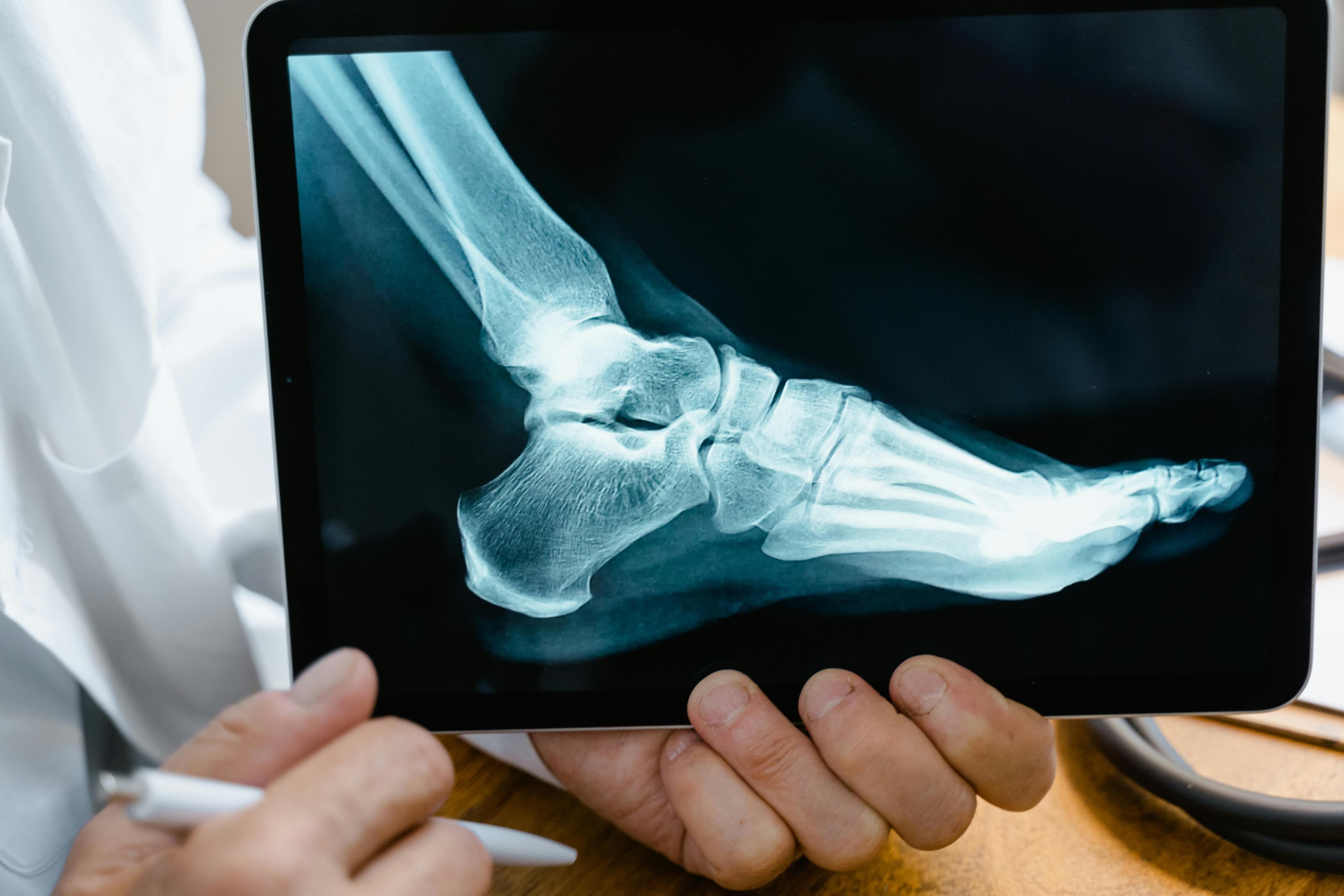
- Imaging tests (X-rays, ultrasound, or dual-energy CT scans)
Treatment Options for Heel Gout
Treating gout in the heel involves managing pain and inflammation during acute attacks and preventing future flare-ups. Here are some common treatment approaches:
- Nonsteroidal anti-inflammatory drugs (NSAIDs)
- Colchicine
- Corticosteroids
- Uric acid-lowering medications (e.g., allopurinol, febuxostat)
- Lifestyle changes (diet modifications, weight loss, limiting alcohol)
- Proper footwear and foot care
It's important to note that gout can sometimes coexist with other conditions, so a thorough diagnosis is crucial for effective treatment.
Living with Heel Gout: Tips for Management
If you're dealing with heel gout, consider these tips for better management:
- Elevate your foot during flare-ups
- Apply ice to reduce inflammation
- Wear comfortable, supportive shoes
- Stay hydrated
- Follow a gout-friendly diet
- Take prescribed medications as directed
- Regular check-ups with your healthcare provider
Conclusion
While gout in the heel may not be as common as gout in the big toe, it's a real and painful condition that requires attention. By understanding the symptoms, causes, and treatment options, you can better manage heel gout and improve your quality of life. Remember, early diagnosis and treatment are key to preventing long-term joint damage. If you suspect you have gout in your heel, don't hesitate to consult with a healthcare professional.