Cataract Surgery Stitches: Evolution, Techniques, and Modern Approaches
Published on October 12, 2024
Key Takeaway
Modern cataract surgery has evolved towards sutureless techniques, but stitches remain crucial in certain cases, with ongoing research focused on optimizing wound closure methods for better patient outcomes.
Introduction
Cataract surgery has come a long way since its inception, with one of the most significant advancements being the evolution of wound closure techniques. The use of stitches, or sutures, in cataract surgery has been a topic of ongoing research and innovation. This article delves into the world of cataract surgery stitches, exploring their history, current practices, and the shift towards sutureless techniques.
The Evolution of Cataract Surgery Stitches
Traditionally, cataract surgery involved large incisions that required multiple sutures for closure. However, as surgical techniques advanced, the focus shifted towards smaller incisions and more efficient wound closure methods. A study by J Wollensak et al. (1994) analyzed 3,429 cataract operations and found that over 95% used phacoemulsification, with more than half employing a no-stitch technique.
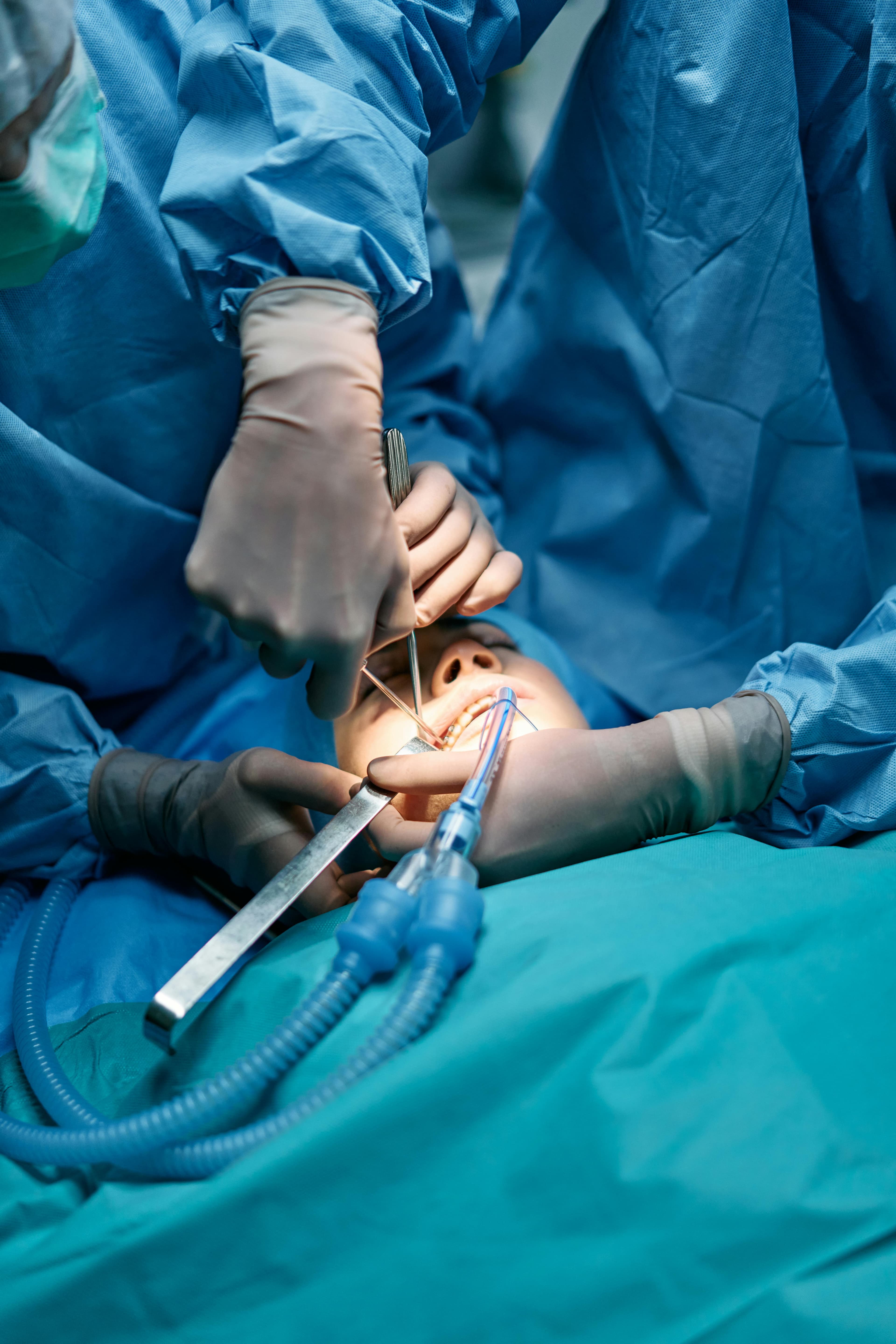
Traditional Suturing Techniques
When stitches are necessary, ophthalmologists have several options:
- Interrupted sutures: Individual stitches placed along the incision
- Continuous sutures: A single, running stitch along the entire incision
- Combination techniques: Using both interrupted and continuous sutures
Hammond et al. (1996) recommended using 2/1/1 reef knots for corneal suturing, finding them significantly smaller in all dimensions compared to other knot types.
The Rise of Sutureless Techniques
Modern cataract surgery has increasingly moved towards sutureless techniques. Menapace et al. (1994) evaluated 100 consecutive cases of no-stitch, small incision surgery and found that refraction and K-readings stabilized within the first postoperative week, with most eyes attaining best final visual acuity during this period.
The benefits of sutureless techniques include:
- Faster visual rehabilitation
- Reduced risk of induced astigmatism
- Decreased postoperative discomfort
- Elimination of suture-related complications
When Stitches Are Still Necessary
Despite the trend towards sutureless surgery, there are situations where stitches remain crucial:
- Large incisions: When a larger incision is required, such as in some cases of extracapsular cataract extraction
- Complicated cases: In surgeries with complications or pre-existing conditions
- Pediatric cases: Basti et al. found that self-sealing wounds were less effective in children younger than 11 years old
- Wound leakage: If the incision doesn't self-seal properly
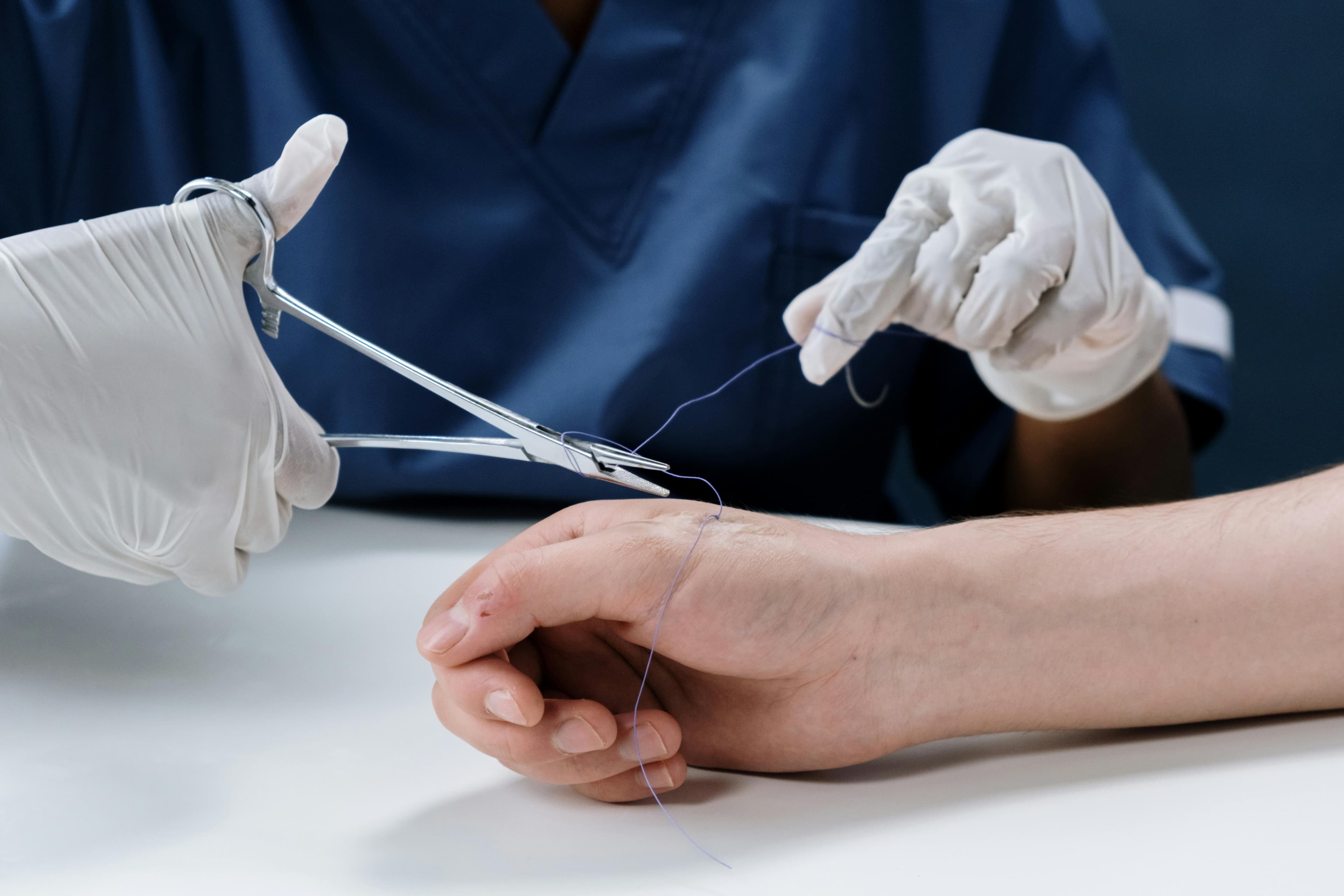
Innovations in Suture Materials and Techniques
Research continues to improve suture materials and techniques. Hovanesian (2009) investigated the use of a polymerizing liquid hydrogel ocular bandage, finding it created a watertight seal in clear corneal cataract wounds without the need for traditional sutures.
Impact on Patient Outcomes
The choice between sutures and sutureless techniques can significantly affect patient outcomes. Häberle et al. (1995) compared different wound closure methods and found that surgically induced astigmatism varied depending on the technique used, with sutureless temporal incisions resulting in the least induced astigmatism (0.6 D) for patients with preoperative against-the-rule astigmatism.
Conclusion
The evolution of cataract surgery stitches reflects the broader advancements in ophthalmological techniques. While sutureless approaches have become increasingly popular due to their numerous benefits, traditional suturing methods still play a vital role in certain cases. As research continues, we can expect further innovations in wound closure techniques, ultimately leading to improved outcomes and experiences for cataract surgery patients worldwide.