Cervical Lateral Flexion: Understanding the Mechanics and Importance
Published on October 13, 2024
Key Takeaway
Cervical lateral flexion is a crucial neck movement that involves complex biomechanics and has significant implications for neck health and function.
Introduction
Cervical lateral flexion, the side-to-side bending of the neck, is a fundamental movement of the cervical spine that plays a crucial role in our daily activities and overall neck health. This article delves into the mechanics, importance, and clinical implications of cervical lateral flexion, providing insights for both healthcare professionals and individuals interested in maintaining optimal neck function.
Understanding Cervical Lateral Flexion
Cervical lateral flexion refers to the movement of the neck to either side, bringing the ear closer to the shoulder. This motion is essential for various activities, from checking blind spots while driving to performing sports movements. Research by Takahiro Ishii et al. (2006) shows that the mean maximum lateral bending of the cervical spine to one side ranges from 1.6 degrees to 5.7 degrees at each level, highlighting the complexity of this movement.

Biomechanics of Cervical Lateral Flexion
The biomechanics of cervical lateral flexion involve a complex interplay of various muscles and joints. Walid Salem et al. (2013) found that lateral flexion is often coupled with other movements:
- At the upper cervical spine (C0-C2), lateral flexion is coupled with rotation to the opposite side
- In the lower cervical spine (C2-C7), lateral flexion is coupled with rotation to the same side
This coupling of movements contributes to the overall flexibility and range of motion of the cervical spine.
Clinical Significance
Cervical lateral flexion plays a crucial role in clinical assessments and treatments. Michel Tousignant et al. (2002) demonstrated the validity of measuring cervical lateral flexion using a cervical range of motion device, showing very good linear relation with radiograph measurements (r = 0.82-0.84). This highlights the importance of accurately assessing this movement in clinical settings.
Implications for Neck Health
Maintaining proper cervical lateral flexion is essential for overall neck health. Restrictions in this movement can lead to various issues:
- Increased stress on other parts of the spine
- Muscle imbalances and tension
- Potential nerve compression
Xuecheng Huang et al. (2018) found that the position of lateral bending can affect the biomechanical stresses on cervical discs during manipulation, emphasizing the importance of proper technique in therapeutic interventions.
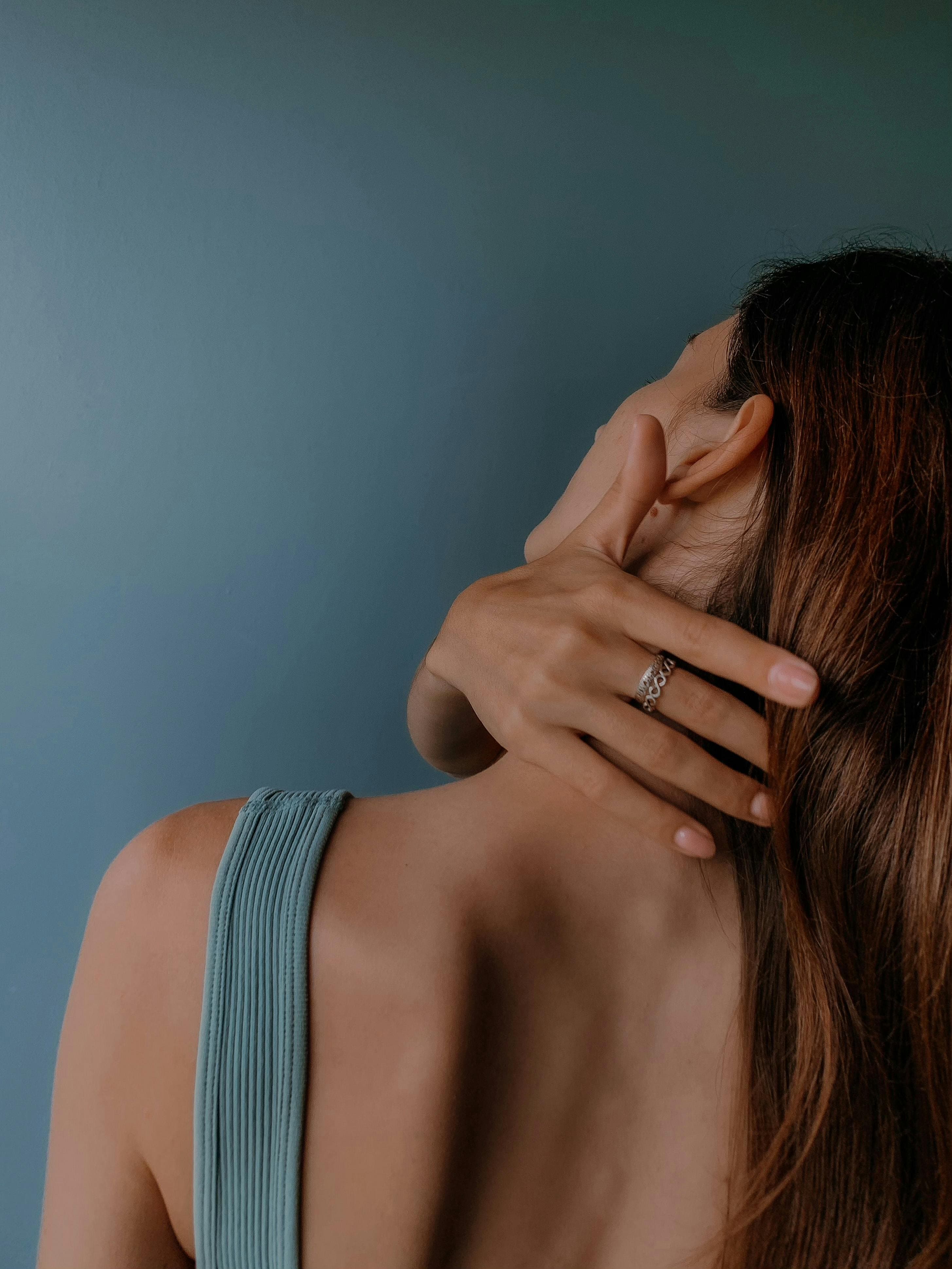
Improving and Maintaining Cervical Lateral Flexion
To maintain and improve cervical lateral flexion, consider the following exercises and tips:
- Gentle neck stretches: Slowly tilt your head to each side, holding for 15-30 seconds
- Strengthening exercises: Isometric exercises against light resistance can help strengthen neck muscles
- Posture awareness: Maintain good posture throughout the day to reduce strain on neck muscles
- Regular movement: Avoid prolonged static positions and incorporate neck movements into your daily routine
Always consult with a healthcare professional before starting any new exercise regimen, especially if you have existing neck issues.
Conclusion
Cervical lateral flexion is a complex and crucial movement of the neck that plays a significant role in our daily functions and overall spinal health. Understanding its mechanics, clinical implications, and how to maintain it can contribute to better neck function and reduced risk of cervical spine issues. Whether you're a healthcare professional or someone interested in maintaining optimal neck health, paying attention to cervical lateral flexion is an important aspect of comprehensive spinal care.