Disposable Contact Lens Settlement: What You Need to Know
Published on October 31, 2024
Key Takeaway
The disposable contact lens settlement highlights the importance of proper lens care and compliance with recommended wear schedules to minimize health risks associated with contact lens use.
Introduction
Disposable contact lenses have revolutionized the vision correction industry, offering convenience and improved eye health for millions of wearers. However, a recent settlement has brought attention to potential risks associated with these lenses. This article will explore the details of the disposable contact lens settlement and provide crucial information for contact lens users.
Understanding the Settlement
While the specific details of the settlement are not provided in the given context, it's important to note that settlements in the contact lens industry often arise from concerns about safety, pricing, or marketing practices. These legal actions aim to protect consumers and ensure that manufacturers and distributors adhere to proper standards.
The Rise of Disposable Contact Lenses
Disposable contact lenses have gained significant popularity since their introduction. According to a study by Efron et al. (2010), daily disposable lenses were introduced to the market 16 years prior to the study and have shown continuous growth in fitting. The convenience and health benefits of daily disposables have fueled their increasing adoption.
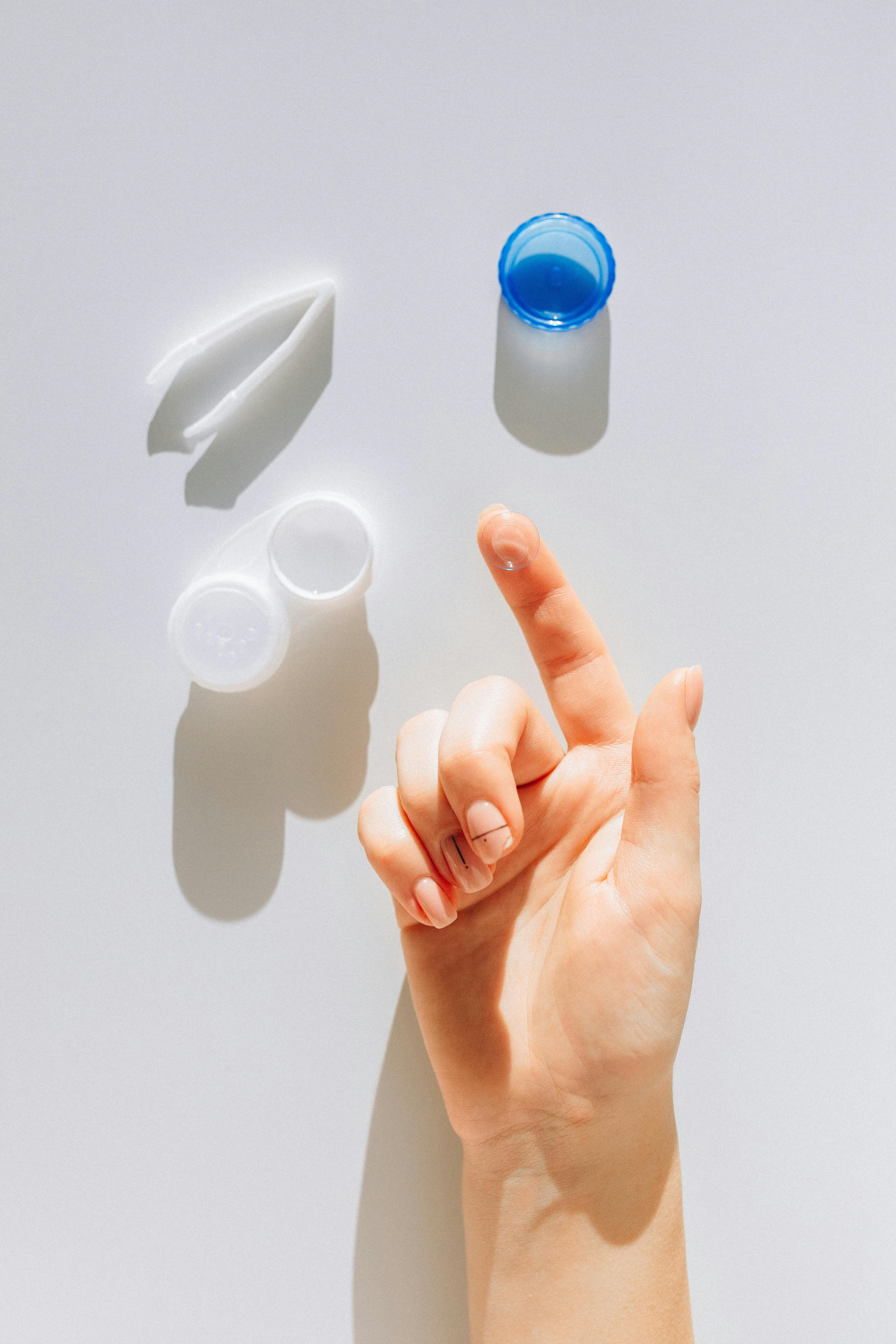
Safety Concerns and Proper Usage
Despite their convenience, disposable contact lenses are not without risks. Egger (1997) reported that disposable soft contact lenses were associated with a 14-fold excess risk of ulcerative keratitis compared to conventional daily-wear soft contact lenses. However, it's crucial to note that the major risk factor for corneal ulceration in contact lens wearers is overnight lens wear.
Compliance and Risk Reduction
To minimize risks associated with disposable contact lenses, proper compliance with wear schedules and care instructions is essential. A study by Asbell et al. (1993) found that 90% of patients were compliant with the recommended lens care routine. However, they also discovered that 62% of patients removed and then reinserted the same pair of lenses, which is not recommended for daily disposables.
Tips for Safe Contact Lens Wear
- Follow the prescribed wear schedule
- Practice proper hand hygiene before handling lenses
- Never sleep in your lenses unless specifically approved by your eye care professional
- Replace your lenses as directed
- Attend regular eye check-ups
The Future of Disposable Contact Lenses
Despite the settlement and associated concerns, the future of disposable contact lenses remains bright. Efron et al. (2013) observed a continuous increase in daily disposable lens prescribing between 1996 and 2011. The study also found that the proportion of daily disposable lens fits is positively related to a country's gross domestic product, suggesting that as economies grow, so does the adoption of this convenient vision correction option.
Conclusion
The disposable contact lens settlement serves as a reminder of the importance of proper lens care and compliance. While these lenses offer significant benefits in terms of convenience and eye health, users must remain vigilant in following prescribed wear schedules and care instructions. By doing so, contact lens wearers can continue to enjoy clear vision with minimal risk to their eye health.