EKG and High Blood Pressure: What Your Heart's Electrical Signals Reveal
Published on November 14, 2024
Key Takeaway
EKG abnormalities can provide valuable insights into the cardiovascular effects of high blood pressure, aiding in early detection and management of hypertension-related complications.
Introduction
High blood pressure, or hypertension, is a silent killer that affects millions worldwide. While you may not feel its effects immediately, it can wreak havoc on your cardiovascular system over time. One of the most valuable tools in assessing the impact of hypertension on your heart is the electrocardiogram (EKG or ECG). This simple, non-invasive test can reveal a wealth of information about your heart's electrical activity and structure, providing crucial insights for managing high blood pressure effectively.
Understanding EKG Basics
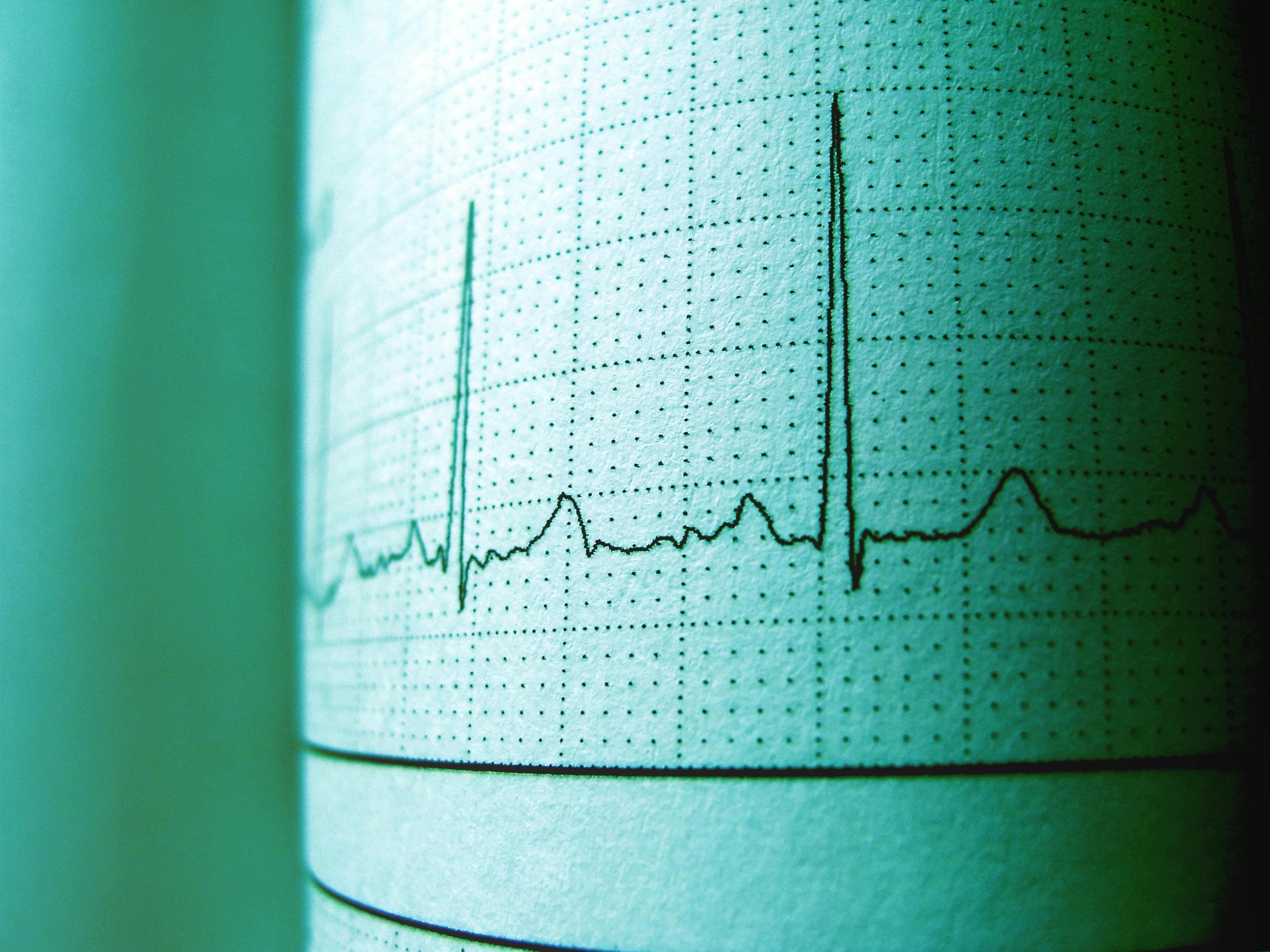
Before diving into how EKG relates to high blood pressure, let's briefly review what an EKG measures. An EKG records the electrical signals that coordinate your heart's contractions. These signals are represented as waves on the EKG tracing:
- P wave: Represents atrial depolarization
- QRS complex: Represents ventricular depolarization
- T wave: Represents ventricular repolarization
Abnormalities in these waves can indicate various heart conditions, including those related to high blood pressure.
EKG Changes in Hypertension
High blood pressure can lead to several changes in the heart's structure and function, which may be reflected in the EKG. Research has shown that even borderline hypertension can cause detectable changes in the EKG. Some common EKG findings in patients with hypertension include:
- Left Ventricular Hypertrophy (LVH): This is one of the most significant EKG findings in hypertensive patients. Studies indicate that the Cornell voltage criteria (R wave in aVL + S wave in V3) is one of the most accurate methods for detecting LVH on EKG.
- Left Atrial Enlargement: Often seen as changes in the P wave morphology.
- ST-T Wave Changes: These can indicate ventricular strain patterns.
- Conduction Abnormalities: Such as left bundle branch block.
The Prognostic Value of EKG in Hypertension
EKG abnormalities in hypertensive patients aren't just diagnostic—they also have significant prognostic value. A study by Verdecchia et al. found that even subtle EKG changes, such as a 0.1 mV increase in R wave voltage in lead aVL, was associated with a 9% higher risk of cardiovascular disease in hypertensive patients.
Moreover, research by Oguntade et al. developed an EKG-based heart failure diagnostic score for hypertensive patients. They found that sinus tachycardia, arrhythmia, left ventricular hypertrophy, and conduction abnormalities were independent ECG markers of heart failure in hypertensive patients.
EKG Monitoring in Hypertension Management
Regular EKG monitoring can play a crucial role in managing hypertension and preventing complications. Here's why:
- Early Detection: EKG can detect early signs of cardiac damage before symptoms appear.
- Treatment Efficacy: Changes in EKG patterns can indicate whether antihypertensive treatment is effective.
- Risk Stratification: EKG findings can help classify patients into different risk categories for cardiovascular events.

Limitations of EKG in Hypertension
While EKG is a valuable tool, it's important to note its limitations. A study by Cristal et al. found that the correlation between EKG diagnoses made by physicians and those made using standardized criteria (like the Minnesota Code) was poor. This highlights the need for standardized interpretation and the use of EKG in conjunction with other diagnostic tools.
Conclusion
EKG is an indispensable tool in the management of high blood pressure. It provides valuable insights into the heart's structure and function, helps in risk stratification, and guides treatment decisions. While it has some limitations, when used in conjunction with other clinical information, EKG can significantly improve the care of hypertensive patients. Regular EKG monitoring, along with blood pressure control and lifestyle modifications, forms the cornerstone of effective hypertension management and cardiovascular disease prevention.