Epidermal Inclusion Cyst vs Lipoma: Key Differences and Diagnostic Approaches
Published on November 16, 2024
Key Takeaway
While epidermal inclusion cysts and lipomas are both common benign soft tissue lesions, they have distinct characteristics in terms of origin, appearance, and diagnostic features that are crucial for accurate identification and appropriate management.
Introduction
Epidermal inclusion cysts and lipomas are two of the most common benign soft tissue lesions encountered in clinical practice. While both can present as subcutaneous masses, they have distinct origins, characteristics, and management approaches. This article aims to elucidate the key differences between these two entities, helping healthcare providers and patients alike in understanding and distinguishing between them.
Understanding Epidermal Inclusion Cysts
Epidermal inclusion cysts, also known as epidermoid cysts or epidermal cysts, are benign growths that develop beneath the skin. According to Connor B. Weir and Nicholas J. St.Hilaire (2023), these cysts are formed by the implantation of epidermal elements into the dermis or subcutaneous tissue, often as a result of trauma or surgery.
Key Characteristics of Epidermal Inclusion Cysts:
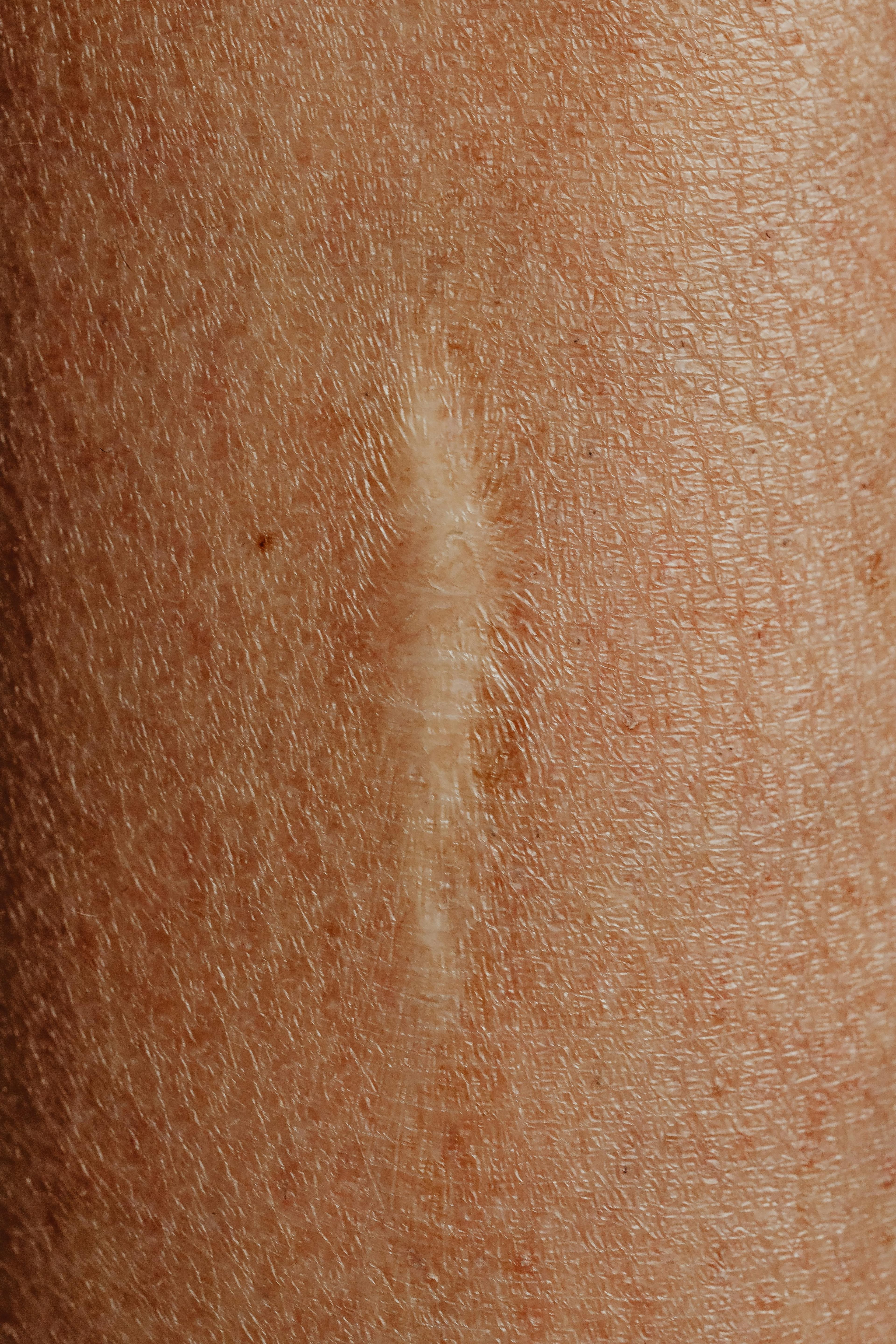
- Usually appear as firm, round nodules directly under the skin
- Often have a visible central punctum (small opening on the skin surface)
- Can range from a few millimeters to several centimeters in diameter
- Commonly found on the face, neck, trunk, and extremities
- May become inflamed or infected, causing pain and redness
Understanding Lipomas
Lipomas, on the other hand, are benign tumors composed of fat cells. They are typically soft, mobile, and painless masses that develop in the subcutaneous tissue. Scott Frothingham (2018) notes that lipomas are usually dome-shaped and feel soft and rubbery to the touch.
Key Characteristics of Lipomas:
- Soft, doughy consistency
- Mobile when pressed (often described as having a "slip sign")
- Generally painless
- Typically do not exceed 3 cm in diameter, though larger ones can occur
- Most commonly found on the trunk, neck, and extremities

Diagnostic Approaches
Distinguishing between epidermal inclusion cysts and lipomas is crucial for proper management. While clinical examination can often provide a preliminary diagnosis, imaging studies and sometimes biopsy may be necessary for confirmation.
Clinical Examination
The physical characteristics and location of the lesion can provide important clues:
- Epidermal cysts are typically firmer and may have a visible punctum
- Lipomas are softer and more mobile
- Epidermal cysts are more likely to become inflamed or infected
Imaging Studies
Ultrasound is increasingly used for initial evaluation of both types of lesions. C M Denison et al. (1997) reported that on ultrasound, epidermal inclusion cysts typically appear as circumscribed hypoechoic masses with through transmission, often with extension into the dermis.
For lipomas, Tam Nguyen et al. (2013) noted that while ultrasound can often confirm the diagnosis, deeper lesions may require MRI or CT scans to exclude involvement of underlying structures or to rule out liposarcoma.
Biopsy and Histopathology
In cases where diagnosis remains uncertain, a biopsy may be necessary. Connor B. Weir and Nicholas J. St.Hilaire (2023) describe the histopathological features of epidermal inclusion cysts, which include a cyst wall derived from the infundibular portion of the hair follicle and a cavity filled with laminated keratinous material.
Management and Treatment
The approach to managing epidermal inclusion cysts and lipomas can differ:
Epidermal Inclusion Cysts:
- Often left alone if asymptomatic
- Surgical excision is the definitive treatment, especially if symptomatic or cosmetically concerning
- Complete removal of the cyst wall is necessary to prevent recurrence
Lipomas:
- Often do not require treatment unless they cause discomfort or cosmetic concerns
- Can sometimes be managed with steroid injections for smaller lesions
- Surgical excision is an option for larger lipomas or those causing symptoms
Conclusion
While epidermal inclusion cysts and lipomas are both common benign soft tissue lesions, they have distinct characteristics that set them apart. Accurate diagnosis is crucial for appropriate management and to rule out more serious conditions. Healthcare providers should be familiar with the key differences between these lesions to ensure proper patient care and treatment. When in doubt, imaging studies and histopathological examination remain the gold standard for definitive diagnosis.