Exploring Alternatives to Endoscopy: Modern Diagnostic Options
Published on September 9, 2024
Key Takeaway
While traditional endoscopy remains the gold standard for many gastrointestinal diagnoses, emerging technologies and techniques offer promising alternatives that may improve patient comfort, accessibility, and diagnostic accuracy.
Introduction
Endoscopy has long been the gold standard for diagnosing and treating various gastrointestinal (GI) conditions. However, its invasive nature and potential discomfort have led researchers and clinicians to explore alternative methods. This article delves into the exciting world of endoscopy alternatives, examining their benefits, limitations, and potential to revolutionize GI diagnostics.
The Evolution of Endoscopic Alternatives
Over the past few decades, significant advancements have been made in developing alternatives to traditional endoscopy. These innovations aim to address the limitations of conventional methods while maintaining or improving diagnostic accuracy. According to a study by Lin (1999), endoscopy has become the most reliable means of diagnosing gut disorders in the last two decades. However, new technologies are emerging to complement or potentially replace traditional endoscopic procedures in certain scenarios.

Capsule Endoscopy: A Pill-Sized Revolution
One of the most innovative alternatives to traditional endoscopy is capsule endoscopy. This technology involves swallowing a small, pill-sized camera that captures images as it travels through the digestive tract. Romero-Vázquez et al. (2014) highlight that capsule endoscopy offers a non-invasive alternative for studying the entire mucosa of the small bowel, esophagus, and colon.
Benefits of capsule endoscopy include:
- Non-invasive procedure
- No need for sedation
- Ability to visualize areas difficult to reach with traditional endoscopes
- Improved patient comfort and acceptance
However, it's important to note that capsule endoscopy has limitations, such as the inability to take biopsies or perform therapeutic interventions.
Virtual Colonoscopy: A Less Invasive Option
Virtual colonoscopy, also known as CT colonography, is another promising alternative to traditional colonoscopy. This technique uses computed tomography (CT) scans to create detailed 3D images of the colon. Chaput et al. (2010) report that CT colonography has a sensitivity of 85% and specificity of 97% for detecting polyps larger than 9mm.
Advantages of virtual colonoscopy include:
- Less invasive than traditional colonoscopy
- No need for sedation
- Shorter procedure time
- Ability to detect abnormalities outside the colon
However, virtual colonoscopy still requires bowel preparation and cannot remove polyps or perform biopsies if abnormalities are detected.
Advanced Imaging Techniques
Several advanced imaging techniques are being developed to enhance or potentially replace traditional endoscopy in certain situations. Pal et al. (2022) discuss electronic chromoendoscopy (ECE) as an alternative to conventional dye-based chromoendoscopy. ECE improves the visualization of capillary patterns and can aid in detecting early neoplastic changes.
Other emerging imaging techniques include:
- Narrow-band imaging (NBI)
- Confocal laser endomicroscopy
- Optical coherence tomography
These technologies offer enhanced visualization and may reduce the need for biopsies in some cases.
Non-Invasive Biomarker Tests
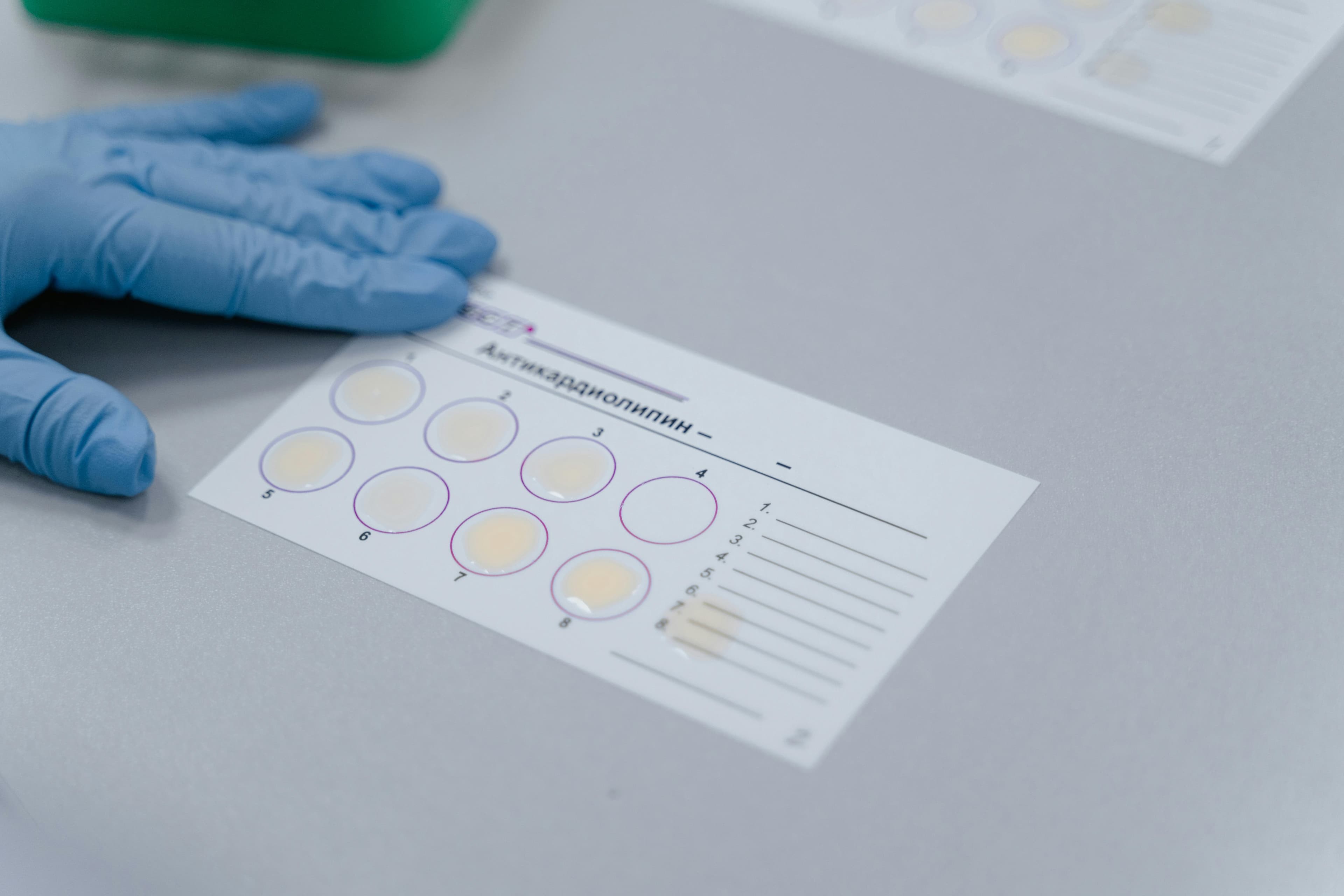
Research is ongoing into non-invasive biomarker tests that could potentially detect gastrointestinal diseases without the need for endoscopy. Ferrari et al. (2021) report on promising developments in urine, exhaled breath, and blood-based tests for colorectal cancer screening. These tests show potential for good diagnostic performance (sensitivity of 63-100%, 90-95%, and 47-97%, respectively) while minimizing patient discomfort.
The Future of Endoscopy Alternatives
As technology continues to advance, we can expect to see further innovations in endoscopy alternatives. Katzka (2017) suggests that future developments may include more sophisticated capsule endoscopy devices, advanced imaging techniques, and novel methods for obtaining esophageal tissue samples without traditional endoscopy.
Some potential future developments include:
- AI-assisted diagnosis using capsule endoscopy images
- Robotic endoscopes for more precise and comfortable examinations
- Nanotechnology-based diagnostic tools
Conclusion
While traditional endoscopy remains an essential tool in gastroenterology, the landscape of diagnostic options is rapidly evolving. Alternatives such as capsule endoscopy, virtual colonoscopy, and advanced imaging techniques offer promising options for patients who may be reluctant to undergo traditional endoscopic procedures. As research progresses, we can anticipate even more innovative solutions that balance diagnostic accuracy with patient comfort and accessibility. The future of gastrointestinal diagnostics is bright, with a diverse array of tools at our disposal to detect and treat GI conditions more effectively than ever before.