Eye Anemia Symptoms: Recognizing the Signs and Seeking Treatment
Published on September 5, 2024
Key Takeaway
Eye anemia symptoms can include conjunctival pallor, retinal hemorrhages, and vision changes, indicating the need for prompt medical evaluation and treatment of underlying anemia.
Introduction
Anemia, a condition characterized by a lack of healthy red blood cells, can affect various parts of the body - including the eyes. While not always immediately apparent, eye anemia symptoms can be important indicators of underlying health issues. This article explores the various ways anemia can manifest in the eyes, helping you recognize potential warning signs and understand when to seek medical attention.
Understanding Eye Anemia Symptoms
Anemia can affect the eyes in several ways, ranging from subtle changes in appearance to more serious vision problems. Here are some key symptoms to watch for:
1. Conjunctival Pallor
One of the most common and easily observable signs of anemia is conjunctival pallor - a paleness of the inner eyelids and the white part of the eye. Research has shown that this sign can be a reliable indicator of iron-deficiency anemia, with a sensitivity of 0.87 and a specificity of 0.94.
2. Retinal Hemorrhages
In more severe cases of anemia, retinal hemorrhages may occur. These are small bleeds in the back of the eye that can affect vision. A study of aplastic anemia patients found that retinal hemorrhages were present in 56% of cases.
3. Vision Changes
Anemia can sometimes lead to changes in vision, including:
- Blurred vision
- Decreased visual acuity
- Dark or floating spots in the field of vision
These symptoms can be particularly concerning and warrant immediate medical attention.
Other Ocular Manifestations of Anemia
Beyond the primary symptoms, anemia can cause various other eye-related issues:
1. Cotton Wool Spots
These are small, whitish areas on the retina that can occur in severe anemia. One study found cotton wool spots in 38% of patients with aplastic anemia.
2. Optic Disc Edema
Swelling of the optic nerve head can occur in some anemic patients, potentially leading to vision problems if left untreated.
3. Venous Dilation
The blood vessels in the eye may appear more dilated or tortuous in anemic patients. Research has shown a significant negative correlation between venous length (a measure of tortuosity) and hematocrit levels.
When to Seek Medical Attention
While some eye anemia symptoms may be subtle, others can signal serious health concerns. It's important to consult a healthcare professional if you experience:
- Sudden changes in vision
- Persistent blurriness or difficulty focusing
- Unusual paleness of the eyes or inner eyelids
- Any new floaters or dark spots in your vision

Diagnosis and Treatment
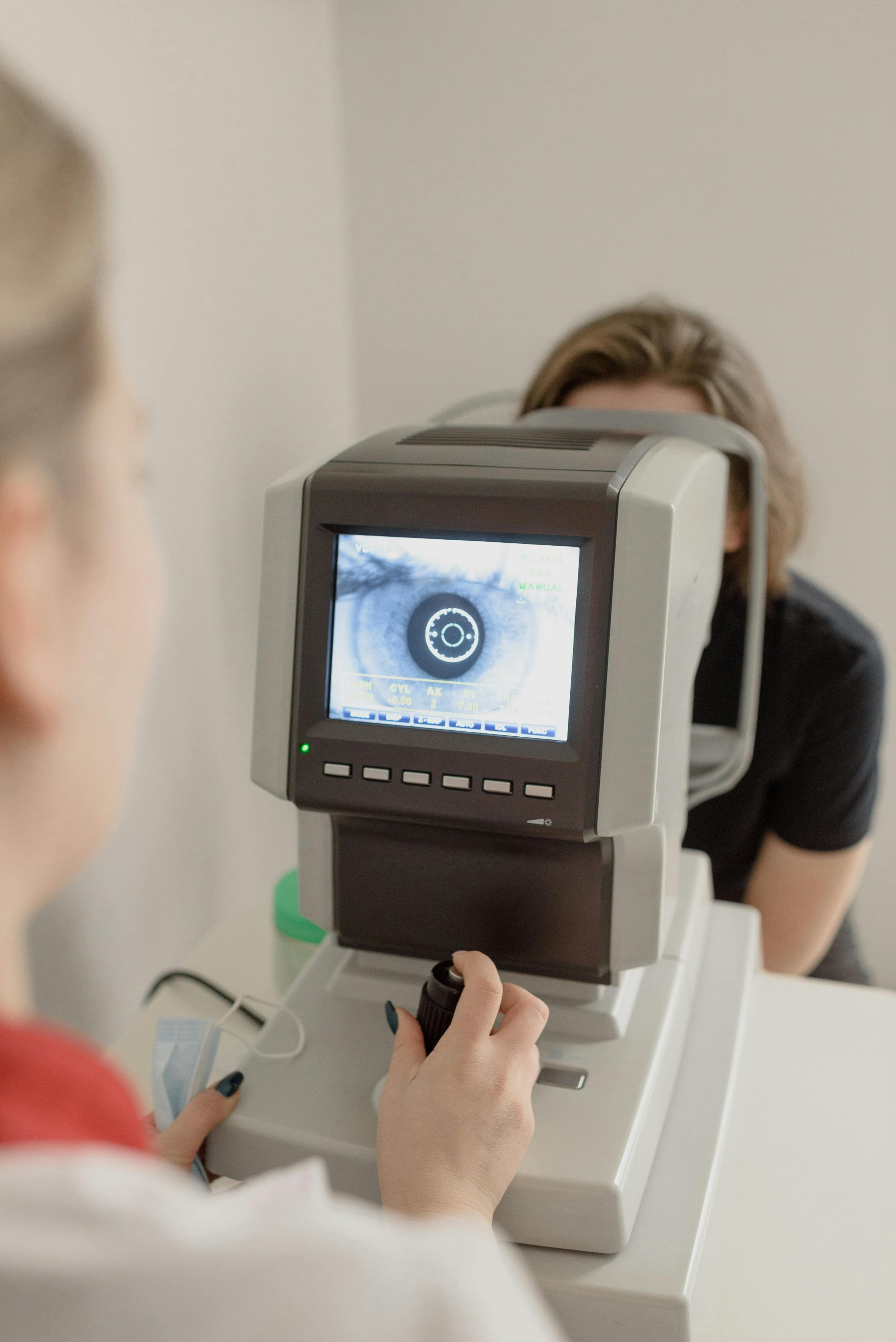
Diagnosing eye anemia typically involves a combination of eye examinations and blood tests. Your doctor may perform:
- A complete blood count (CBC) to check hemoglobin levels
- Dilated eye exam to look for retinal changes
- Visual acuity tests
Treatment for eye anemia symptoms primarily focuses on addressing the underlying anemia. This may include:
- Iron supplements for iron-deficiency anemia
- Vitamin B12 injections for pernicious anemia
- Dietary changes to increase iron and vitamin intake
- In severe cases, blood transfusions may be necessary
Conclusion
Eye anemia symptoms can range from subtle changes to serious vision problems. By being aware of these potential signs and seeking prompt medical attention when necessary, you can help ensure early diagnosis and treatment of underlying anemia. Remember, healthy eyes are often a window to overall health, so don't hesitate to consult with a healthcare professional if you notice any unusual changes in your vision or eye appearance.