EyePass: Revolutionizing Eye Tracking Technology for Enhanced User Experience
Published on November 20, 2024
Key Takeaway
EyePass is an innovative eye tracking system that offers high accuracy, ease of use, and versatility across various applications, potentially transforming how we interact with technology.
Introduction
Eye tracking technology has come a long way in recent years, finding applications in fields ranging from psychology and neuroscience to marketing and human-computer interaction. Among the latest innovations in this space is EyePass, a cutting-edge system that promises to revolutionize how we interact with technology using our eyes. This article delves into the features, benefits, and potential applications of EyePass, exploring how it stands out in the crowded field of eye tracking solutions.
What is EyePass?
EyePass is a state-of-the-art eye tracking system that combines advanced hardware and sophisticated software algorithms to provide highly accurate gaze detection and analysis. Unlike traditional eye trackers, EyePass offers enhanced functionality through a unique design that incorporates a wireless smart contact lens. This innovative approach allows for more precise and reliable eye tracking, even in challenging environments or during dynamic activities.

Key Features and Benefits
EyePass boasts several features that set it apart from conventional eye tracking systems:
- High Accuracy: EyePass achieves remarkable precision, with studies showing an average acquisition time of 1 second and 400 pixels over the iris diameter, surpassing many existing commercial solutions.
- Wireless Functionality: The smart contact lens component allows for greater freedom of movement and more natural user behavior during tracking.
- Versatility: EyePass can be applied in various settings, from research laboratories to real-world environments, making it suitable for a wide range of applications.
- User-Friendly Design: The system is designed for ease of use, with minimal setup required and comfortable wear for extended periods.
Applications of EyePass
The versatility of EyePass opens up numerous possibilities across different fields:
1. Scientific Research
In the realm of scientific research, EyePass offers unprecedented insights into visual attention and cognitive processes. Researchers can use EyePass to study complex visual behaviors, such as gaze patterns during driving simulations, with high precision. The system's ability to detect subtle eye movements and gaze shifts makes it invaluable for studies in psychology, neuroscience, and human behavior.
2. Medical Applications
EyePass has significant potential in medical diagnostics and treatment. For instance, it could be used to:
- Assist in early detection of neurological disorders
- Aid in the assessment and treatment of visual impairments
- Enhance rehabilitation therapies for patients with motor or cognitive disabilities
3. Human-Computer Interaction
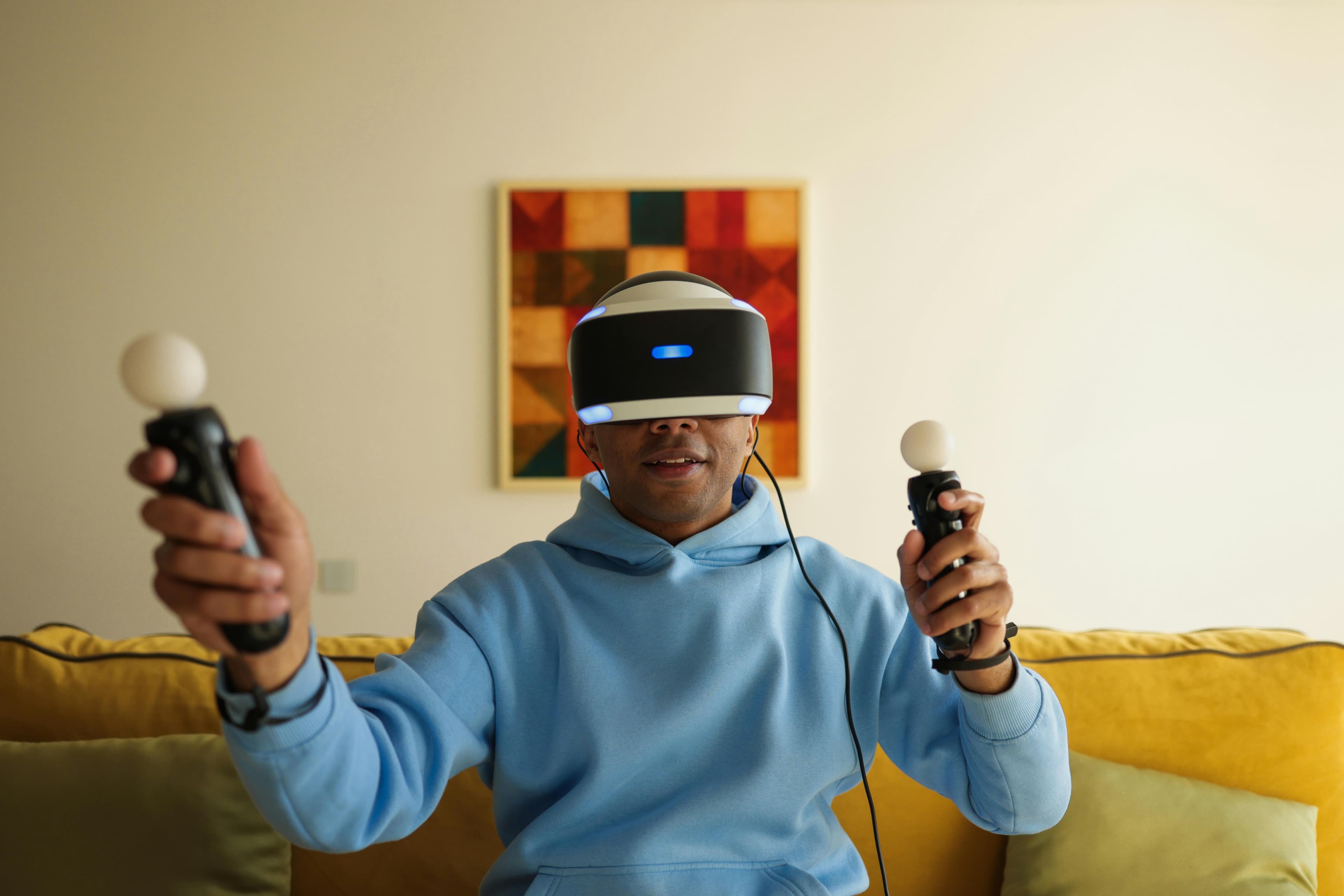
Perhaps one of the most exciting applications of EyePass is in the field of human-computer interaction. With an average gaze error of just 1.6° indoors and 1.69° outdoors, EyePass enables highly accurate gaze-based control systems. This could revolutionize how we interact with devices, particularly in virtual and augmented reality environments.
The Future of Eye Tracking with EyePass
As EyePass continues to evolve, we can expect to see even more innovative applications emerge. Some potential future developments include:
- Integration with AI: Combining EyePass with artificial intelligence could lead to more intuitive and responsive user interfaces.
- Miniaturization: Further refinements in the technology could result in even more compact and unobtrusive eye tracking solutions.
- Expanded Accessibility: As the technology becomes more widespread, it could significantly enhance accessibility options for individuals with disabilities.
Conclusion
EyePass represents a significant leap forward in eye tracking technology, offering unprecedented accuracy, ease of use, and versatility. As this innovative system continues to develop and find new applications, it has the potential to transform how we interact with technology and understand human visual behavior. Whether in research labs, medical facilities, or everyday devices, EyePass is poised to open up new possibilities for eye-based interaction and analysis, paving the way for more intuitive and responsive technologies in the future.