Fluoroscopic Guided Injection: Precision and Safety in Interventional Procedures
Published on November 23, 2024
Key Takeaway
Fluoroscopic guided injections offer high accuracy and real-time visualization for precise needle placement in various medical procedures, improving patient outcomes while minimizing risks.
Introduction
Fluoroscopic guided injection has become an indispensable tool in modern medicine, offering unprecedented accuracy and real-time visualization for a wide range of interventional procedures. This technique combines the power of X-ray imaging with skilled medical expertise to ensure precise needle placement and medication delivery. As we delve into the world of fluoroscopic guided injections, we'll explore their applications, benefits, and the cutting-edge advancements shaping this field.
Understanding Fluoroscopic Guided Injections
Fluoroscopy is a type of medical imaging that provides real-time, moving X-ray images of a patient's internal structures. When applied to guided injections, it allows healthcare providers to visualize the exact path of a needle as it's inserted into the body. This level of precision is crucial for many diagnostic and therapeutic procedures, particularly those involving complex anatomical areas or small target zones.
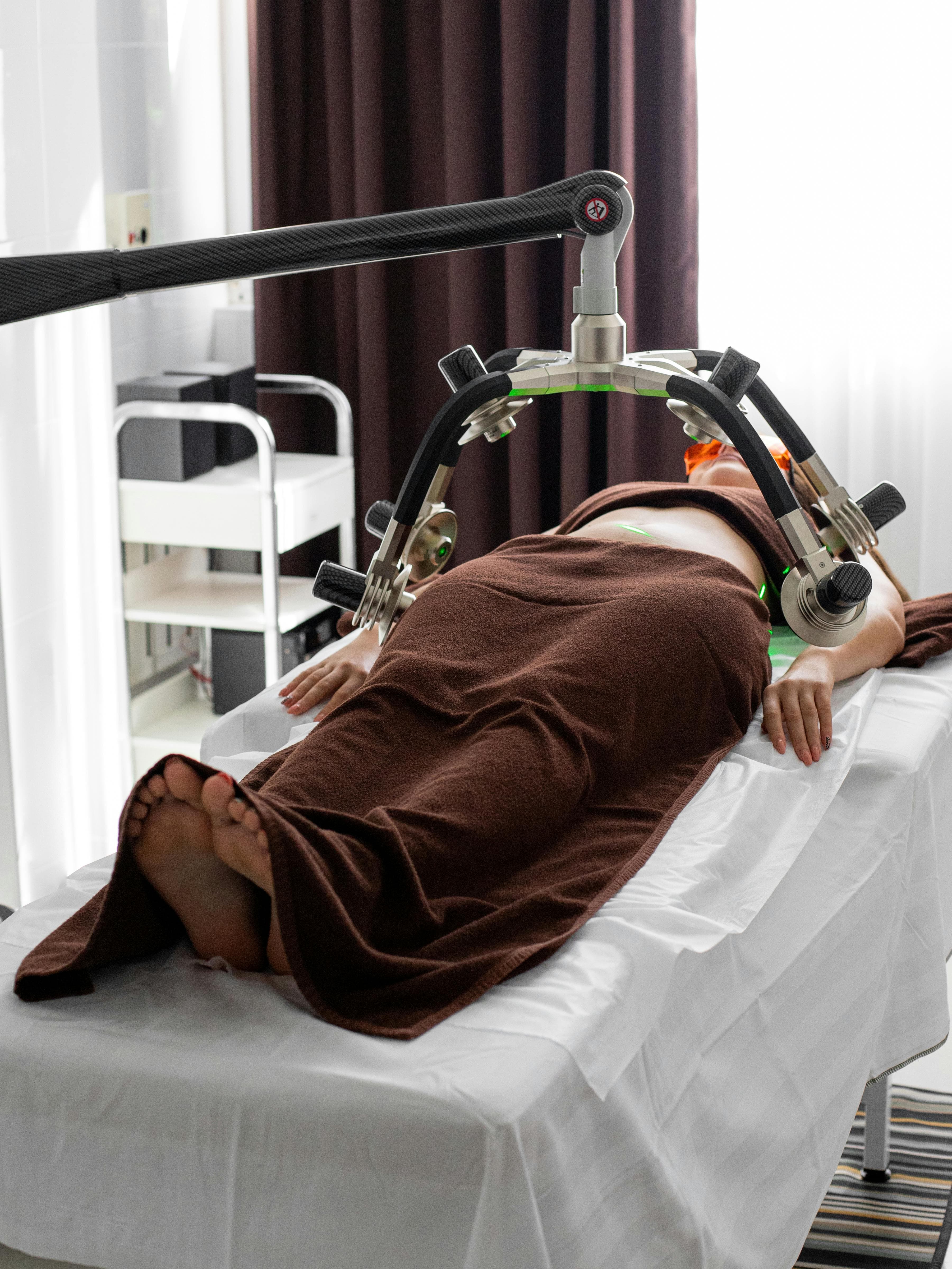
Applications Across Medical Specialties
Fluoroscopic guided injections have found applications in numerous medical fields:
- Orthopedics: For joint injections and spine interventions
- Pain Management: Targeting specific nerve roots or facet joints
- Interventional Radiology: Guiding biopsies and vascular procedures
- Anesthesiology: Precise placement of epidural catheters
In orthopedics, for example, fluoroscopy guidance is commonly utilized for injections in the upper extremity, with increased accuracy for injection placement compared to blind injection. This technique is particularly valuable for complex areas like the glenohumeral joint, which is the most commonly performed upper extremity procedure under fluoroscopic guidance.
Benefits of Fluoroscopic Guided Injections
The advantages of using fluoroscopic guidance for injections are numerous:
- Enhanced Accuracy: Real-time imaging ensures precise needle placement
- Improved Safety: Reduces the risk of complications from misplaced injections
- Increased Efficacy: Targeted delivery of medications improves treatment outcomes
- Reduced Patient Discomfort: Minimizes the need for multiple injection attempts
A study by Byrd et al. (2014) found that patients overwhelmingly preferred fluoroscopic-guided injections over traditional methods, citing improved convenience and reduced pain. In fact, 49 out of 50 patients stated they would prefer the guided injection technique for future procedures.
Technique and Procedure
The process of performing a fluoroscopic guided injection typically involves the following steps:
- Patient Positioning: Proper placement is crucial for optimal imaging
- Sterile Preparation: Ensuring a clean field to prevent infection
- Fluoroscopic Imaging: Identifying the target area and planning the needle path
- Needle Insertion: Guided advancement under real-time fluoroscopic visualization
- Contrast Injection: Confirming proper needle placement (if necessary)
- Medication Administration: Delivering the therapeutic agent
According to Rednam and Tiwari (2023), the procedure begins with proper patient positioning and sterile preparation. Local anesthetic is typically injected into the overlying skin and tract (e.g., 2% lidocaine) before the main procedure begins.

Advancements in Technology
Recent technological advancements have further improved the efficacy and safety of fluoroscopic guided injections:
- Low-Dose Fluoroscopy: Reducing radiation exposure for patients and staff
- 3D Fluoroscopy: Providing enhanced spatial understanding of anatomy
- Robotic Assistance: Improving precision and reducing operator fatigue
A study by Scharll et al. (2024) demonstrated the potential of robotic assistance in fluoroscopic guided procedures. Their novel approach achieved a mean normal distance accuracy of 1.86 mm to 2.68 mm at the target, depending on the angle of approach, which is well within the clinical safety margin of 5 mm.
Safety Considerations and Radiation Exposure
While fluoroscopic guided injections offer significant benefits, it's crucial to consider the potential risks associated with radiation exposure. Healthcare providers must adhere to the ALARA principle (As Low As Reasonably Achievable) when using fluoroscopy.
Cohen et al. (2019) proposed preliminary reference levels for radiation doses in various spinal interventional procedures. For example, lumbar transforaminal injections had a reference level of 13 mGy and 30 seconds of exposure time. These guidelines help practitioners minimize radiation exposure while maintaining procedural efficacy.
Future Directions
The field of fluoroscopic guided injections continues to evolve, with promising developments on the horizon:
- Integration with Artificial Intelligence: Enhancing image interpretation and needle guidance
- Augmented Reality Overlays: Providing additional anatomical information during procedures
- Personalized Dosing: Tailoring radiation exposure based on individual patient factors
Conclusion
Fluoroscopic guided injections represent a significant advancement in interventional medicine, offering unparalleled precision and safety for a wide range of procedures. As technology continues to improve and new applications emerge, this technique will undoubtedly play an increasingly important role in patient care. By embracing these innovations while maintaining a focus on safety and efficacy, healthcare providers can ensure that patients receive the best possible outcomes from their interventional procedures.