Gallbladder Rupture: Causes, Symptoms, and Life-Saving Treatment
Published on April 18, 2025
Key Takeaway
Gallbladder rupture is a rare but potentially life-threatening condition that requires prompt diagnosis and surgical intervention to prevent severe complications like peritonitis and sepsis.
Introduction
Gallbladder rupture is a rare but potentially life-threatening condition that demands immediate medical attention. While uncommon, it's crucial to understand the risks, symptoms, and treatment options associated with this serious complication. In this article, we'll explore what happens when your gallbladder ruptures and why swift action is essential for survival.
What is Gallbladder Rupture?
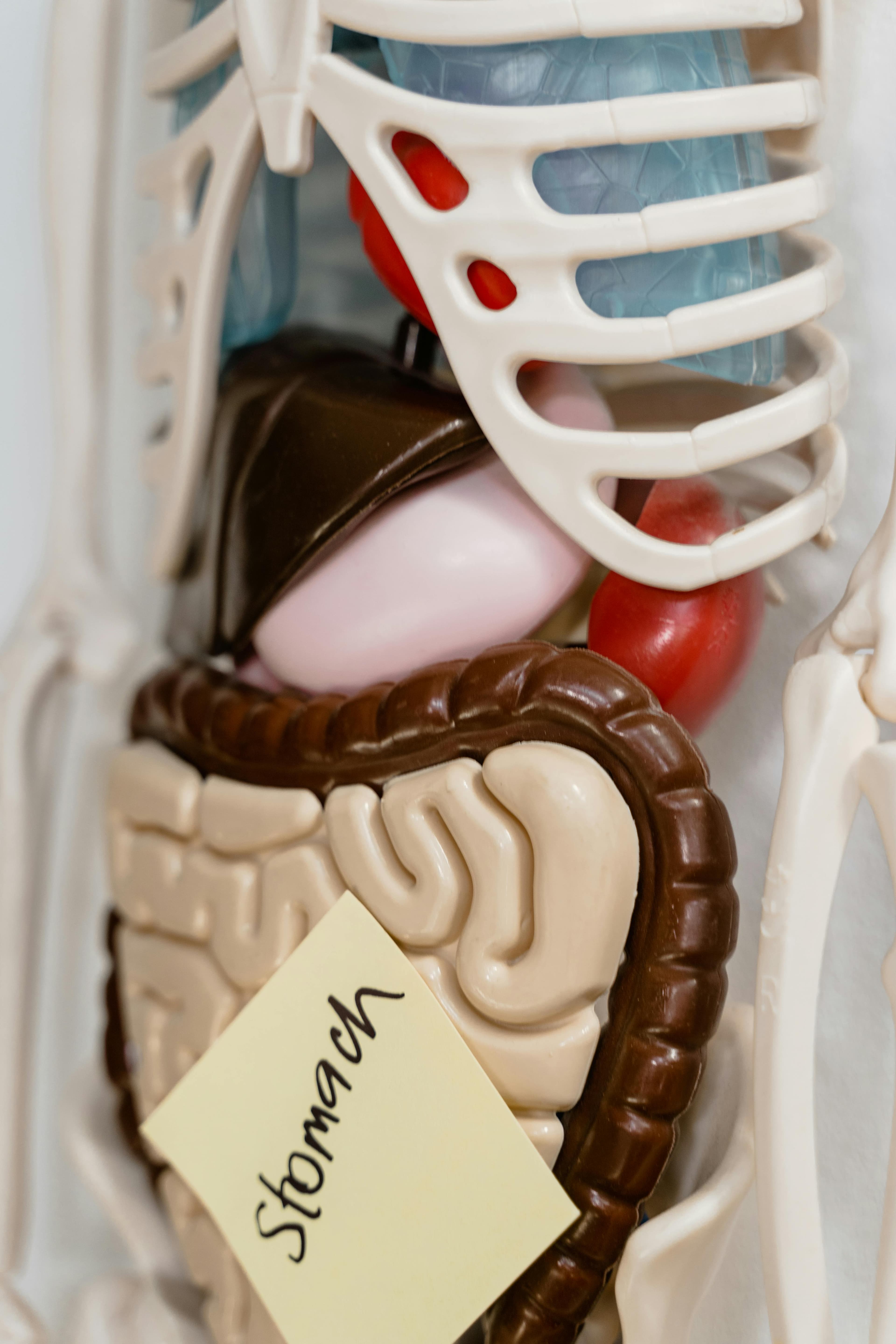
Gallbladder rupture occurs when the wall of the gallbladder leaks or bursts, allowing bile to spill into the abdominal cavity. This condition is typically a complication of severe inflammation of the gallbladder, known as cholecystitis. According to Healthline, ruptures are commonly caused by inflammation due to gallstones, infections, or, in rare cases, physical trauma.
Causes of Gallbladder Rupture
Several factors can lead to gallbladder rupture:
- Gallstones (the most common cause)
- Bacterial infections
- Biliary sludge
- Blunt abdominal trauma
- Parasitic infections (rare)
Interestingly, research indicates that perforation of the gallbladder occurs in 1.6%-2.8% of cases of gallbladder disease, highlighting its rarity but potential severity.
Symptoms of Gallbladder Rupture
Recognizing the symptoms of gallbladder rupture is crucial for early intervention. Common signs include:
- Sudden, severe abdominal pain, especially in the right upper quadrant
- Nausea and vomiting
- Fever
- Jaundice (yellowing of the skin and eyes)
It's important to note that these symptoms can be similar to those of uncomplicated cholecystitis, making diagnosis challenging. Healthline reports that the pain might be short-lived after the rupture but often returns as the rupture site becomes inflamed or infected.
Diagnosis and Imaging
Diagnosing gallbladder rupture often requires a combination of clinical assessment and imaging studies. Key diagnostic tools include:
- Ultrasound
- CT scan
- MRI
These imaging techniques can help identify signs of rupture, such as fluid around the gallbladder or free air in the abdomen. In some cases, diagnostic laparoscopy may be necessary for a definitive diagnosis.
Treatment Options
When a gallbladder rupture is suspected or confirmed, immediate surgical intervention is typically necessary. The standard treatment includes:
- Cholecystectomy (removal of the gallbladder)
- Peritoneal lavage to clean the abdominal cavity
- Antibiotic therapy to prevent or treat infection
Healthline notes that laparoscopic surgery is often preferred due to its minimally invasive nature and shorter recovery time. However, in some cases, open surgery may be necessary, especially if there are complications or the patient's condition is unstable.
Complications and Prognosis
Gallbladder rupture can lead to severe complications if not treated promptly. These may include:
- Peritonitis (inflammation of the abdominal lining)
- Sepsis (a life-threatening systemic infection)
- Abscess formation
- Organ failure
The prognosis for patients with gallbladder rupture largely depends on how quickly the condition is diagnosed and treated. Recent studies emphasize that early diagnosis and timely surgical intervention are crucial for a positive outcome.
Conclusion
Gallbladder rupture is a serious condition that requires immediate medical attention. While rare, it's essential to be aware of the symptoms and seek help if you suspect a problem. Early diagnosis and prompt surgical intervention are key to preventing life-threatening complications. If you experience severe abdominal pain, especially if accompanied by fever or jaundice, don't hesitate to seek medical care. Remember, when it comes to gallbladder rupture, time is of the essence, and quick action can be life-saving.