How to Cure Pitted Keratolysis: Effective Treatments and Prevention
Published on December 14, 2024
Key Takeaway
Pitted keratolysis can be effectively treated with a combination of topical antibiotics, proper foot hygiene, and measures to reduce foot moisture and sweating.
Introduction
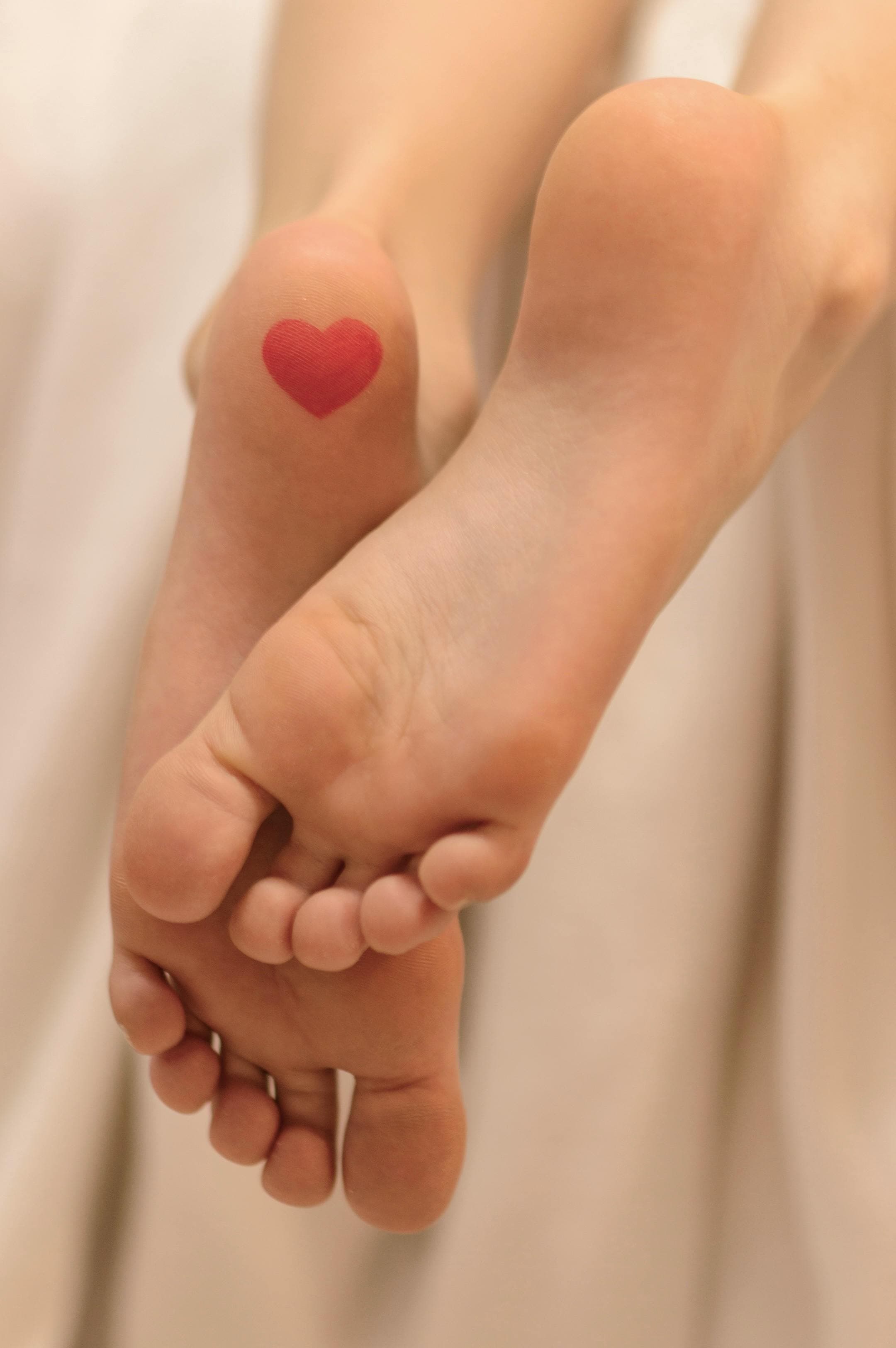
Pitted keratolysis (PK) is a common bacterial infection that affects the soles of the feet, causing characteristic pits, malodor, and sometimes discomfort. While it's not a serious condition, it can be embarrassing and bothersome. This article will explore effective treatments and prevention strategies to help you tackle pitted keratolysis.
Understanding Pitted Keratolysis
Before diving into treatments, it's crucial to understand what causes pitted keratolysis. According to Healthline, PK is caused by several bacterial species, including Corynebacteria, Dermatophilus congolensis, and Kytococcus sedentarius. These bacteria thrive in moist environments, making sweaty feet an ideal breeding ground.
Topical Antibiotic Treatments
The first line of treatment for pitted keratolysis typically involves topical antibiotics. A study published in PubMed found that mupirocin 2% ointment was effective in treating PK. Other commonly prescribed topical antibiotics include:
- Erythromycin 2% solution or gel
- Clindamycin 1% solution
- Fusidic acid
These antibiotics work by killing the bacteria responsible for the infection. Your doctor will determine the best option based on your specific case.
Combination Therapies
Some studies have shown that combination therapies can be particularly effective. A case report published in PubMed demonstrated success using a combination of clindamycin 1% and benzoyl peroxide 5% gel. This combination not only kills bacteria but also helps exfoliate the affected skin.
Addressing Hyperhidrosis
Since excessive sweating (hyperhidrosis) is a major contributing factor to PK, treating this condition is crucial. A study in PubMed found that 96.90% of PK patients had excessive sweating in the affected areas. Treatment options include:
- Aluminum chloride hexahydrate antiperspirants
- Iontophoresis (a treatment using mild electrical current)
- Botulinum toxin injections in severe cases
Proper Foot Hygiene
Maintaining good foot hygiene is essential in treating and preventing PK. Healthline recommends the following practices:
- Wash feet daily with antibacterial soap
- Dry feet thoroughly, especially between toes
- Wear moisture-wicking socks
- Change socks frequently, especially if feet are sweaty
- Avoid wearing occlusive footwear for long periods
Alternative Treatments
While topical antibiotics are the mainstay of treatment, some alternative options have shown promise:
- Chlorhexidine scrub: A recent study found that 4% chlorhexidine scrub was a cost-effective treatment for PK.
- Essential oils: Research published in 2022 suggests that certain essential oils, particularly lemongrass oil, may have potent antibacterial effects against PK-causing bacteria.
Prevention Strategies
Preventing recurrence is just as important as treating the initial infection. Healthline suggests the following preventive measures:
- Wear open-toed sandals when possible to allow feet to breathe
- Use antiperspirant on the soles of your feet
- Rotate shoes to allow them to dry completely between uses
- Consider using antifungal powder in shoes
When to See a Doctor
While mild cases of PK can often be managed at home, it's important to consult a healthcare professional if:
- Symptoms persist despite home treatment
- The condition is causing significant discomfort or affecting daily activities
- You have underlying conditions like diabetes that may complicate foot infections
Conclusion
Pitted keratolysis is a treatable condition that responds well to a combination of topical antibiotics, proper foot hygiene, and measures to reduce foot moisture. By following these treatment and prevention strategies, most people can effectively manage PK and prevent its recurrence. Remember, consistent care and attention to foot health are key to keeping this bacterial infection at bay.