How to Measure 5 ml of Medicine Accurately: A Comprehensive Guide
Published on December 15, 2024
Key Takeaway
Using an oral syringe is the most accurate method for measuring 5 ml of medicine, while dosing cups and household teaspoons can lead to significant dosing errors.
Introduction
Accurately measuring medication is crucial for effective treatment and patient safety. Whether you're a healthcare professional or a caregiver, knowing how to measure 5 ml of medicine correctly can make a significant difference in treatment outcomes. This guide will explore various methods, their accuracy, and best practices for measuring liquid medications.
The Importance of Accurate Measurement
Precise dosing is essential in medicine administration. A study by Victoria L Beckett et al. (2012) found that inaccurate measurements can lead to under or overdosing, especially when administering drugs with a narrow therapeutic window. This underscores the need for reliable measuring techniques.
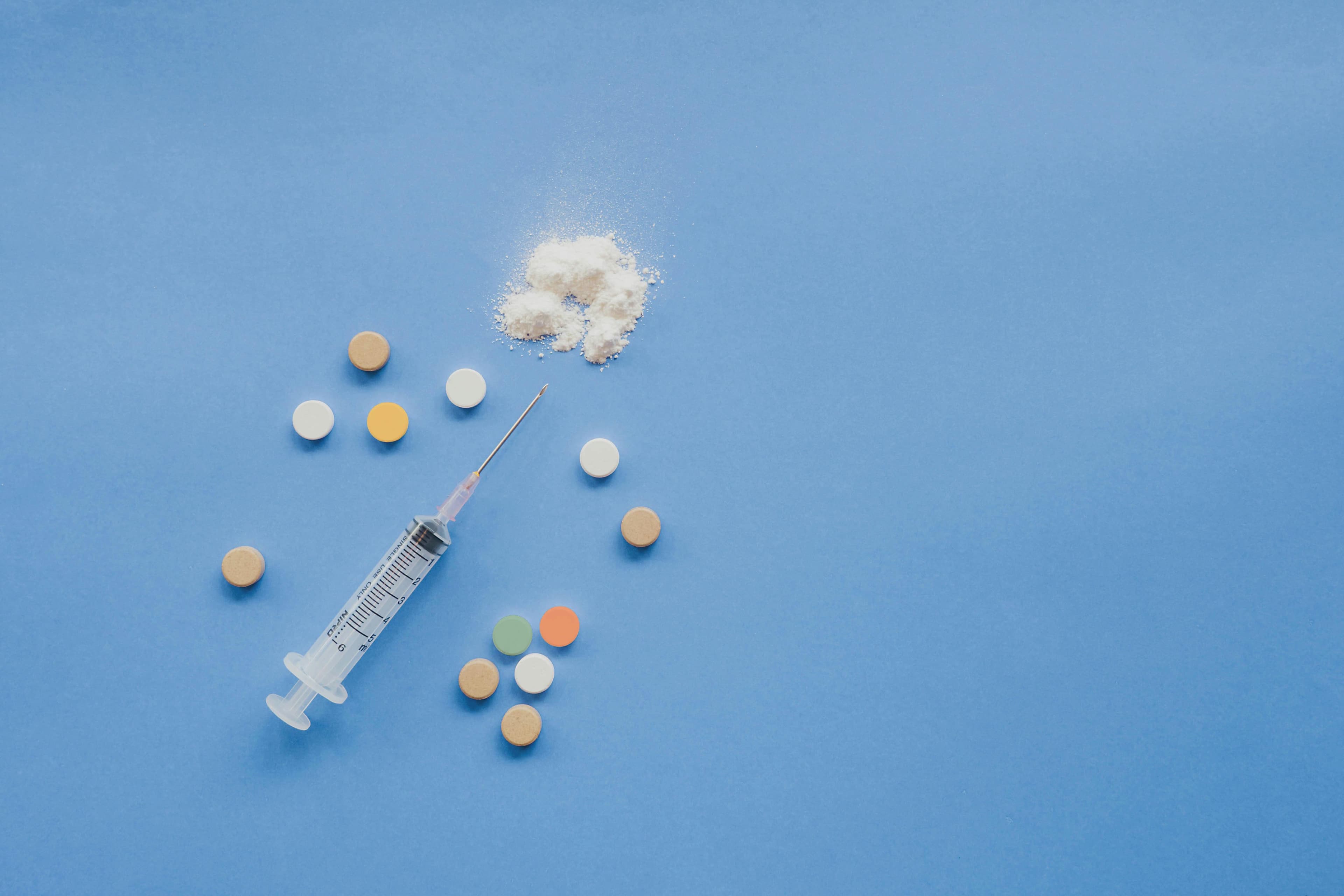
Common Methods for Measuring 5 ml of Medicine
Several tools are available for measuring liquid medications. Let's examine their effectiveness:
1. Oral Syringes
Oral syringes are widely considered the most accurate tool for measuring liquid medications. Beckett's study found that oral syringes had the smallest variance in measurements, making them highly reliable for precise dosing.
2. Dosing Cups
While common, dosing cups can be less accurate than oral syringes. The same study showed that dosing cups had a higher variance in measurements compared to oral syringes.
3. Household Teaspoons
Using household teaspoons is not recommended for measuring medications. Susan D Ross et al. (2003) pointed out that a teaspoon dose (5 ml) is not necessarily a pediatric dose, and the capacity of household teaspoons can vary significantly.
Step-by-Step Guide to Measuring 5 ml with an Oral Syringe
- Wash your hands thoroughly.
- Shake the medication bottle well if required.
- Remove the cap from the bottle and insert the tip of the oral syringe.
- Turn the bottle upside down with the syringe still inserted.
- Pull the plunger to draw up slightly more than 5 ml of the medication.
- Remove any air bubbles by gently tapping the syringe and pushing the excess back into the bottle.
- Adjust the amount until you have exactly 5 ml in the syringe.
- Remove the syringe from the bottle and administer the medication as directed.
Common Mistakes to Avoid
When measuring medications, be aware of these potential pitfalls:
- Using household spoons instead of calibrated devices
- Not checking for air bubbles in the syringe
- Failing to read the measurement at eye level
- Not shaking the medication before measuring (if required)
- Using the wrong measuring device for the medication
The Role of Technology in Accurate Measurement
Advancements in technology are improving medication measurement accuracy. Kishore Kumar Hotha et al. (2010) described highly sensitive assay methods for measuring drug concentrations, which could potentially lead to more precise dosing guidelines in the future.
Conclusion
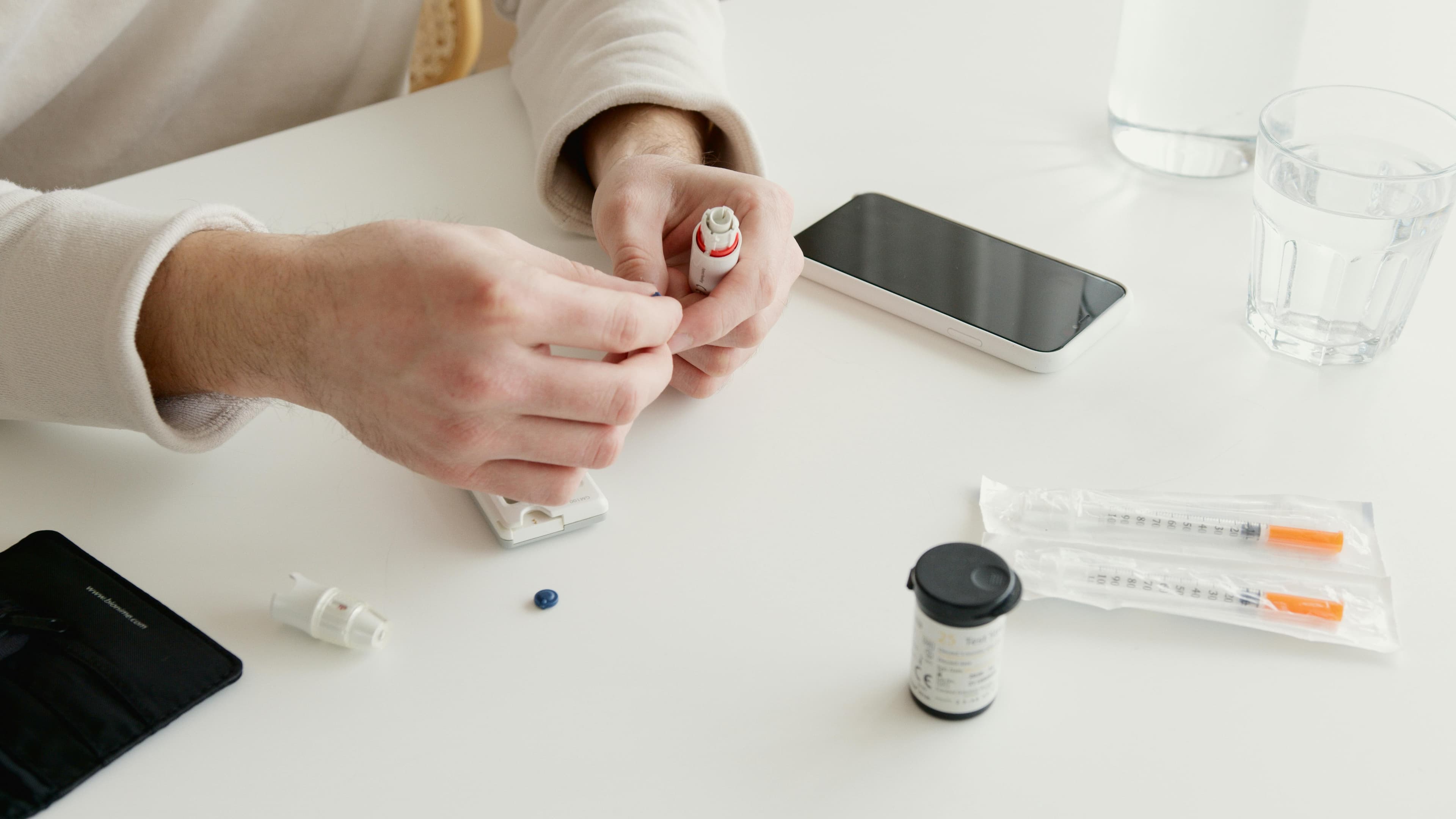
Accurate measurement of medication is a critical aspect of patient care. While oral syringes provide the most precise measurements for 5 ml doses, it's essential to use the appropriate tool for each medication and follow proper techniques. By understanding the importance of accurate measurement and employing the right methods, we can ensure safer and more effective medication administration.