How to Recognize the Signs of a Ruptured Gallbladder: A Comprehensive Guide
Published on December 15, 2024
Key Takeaway
Recognizing the signs of a ruptured gallbladder, such as severe abdominal pain, fever, and jaundice, is crucial for seeking immediate medical attention and preventing life-threatening complications.
Introduction
A ruptured gallbladder is a rare but potentially life-threatening condition that demands prompt medical intervention. Understanding the signs and symptoms can be crucial in seeking timely treatment and preventing severe complications. This article will guide you through the key indicators of a gallbladder rupture and explain when to seek immediate medical attention.
What is a Gallbladder Rupture?
A gallbladder rupture, also known as gallbladder perforation, occurs when the wall of the gallbladder leaks or bursts. This condition is often a complication of acute cholecystitis (inflammation of the gallbladder), which is commonly caused by gallstones. According to Healthline, gallstones can get stuck inside the gallbladder, leading to inflammation and potential rupture.
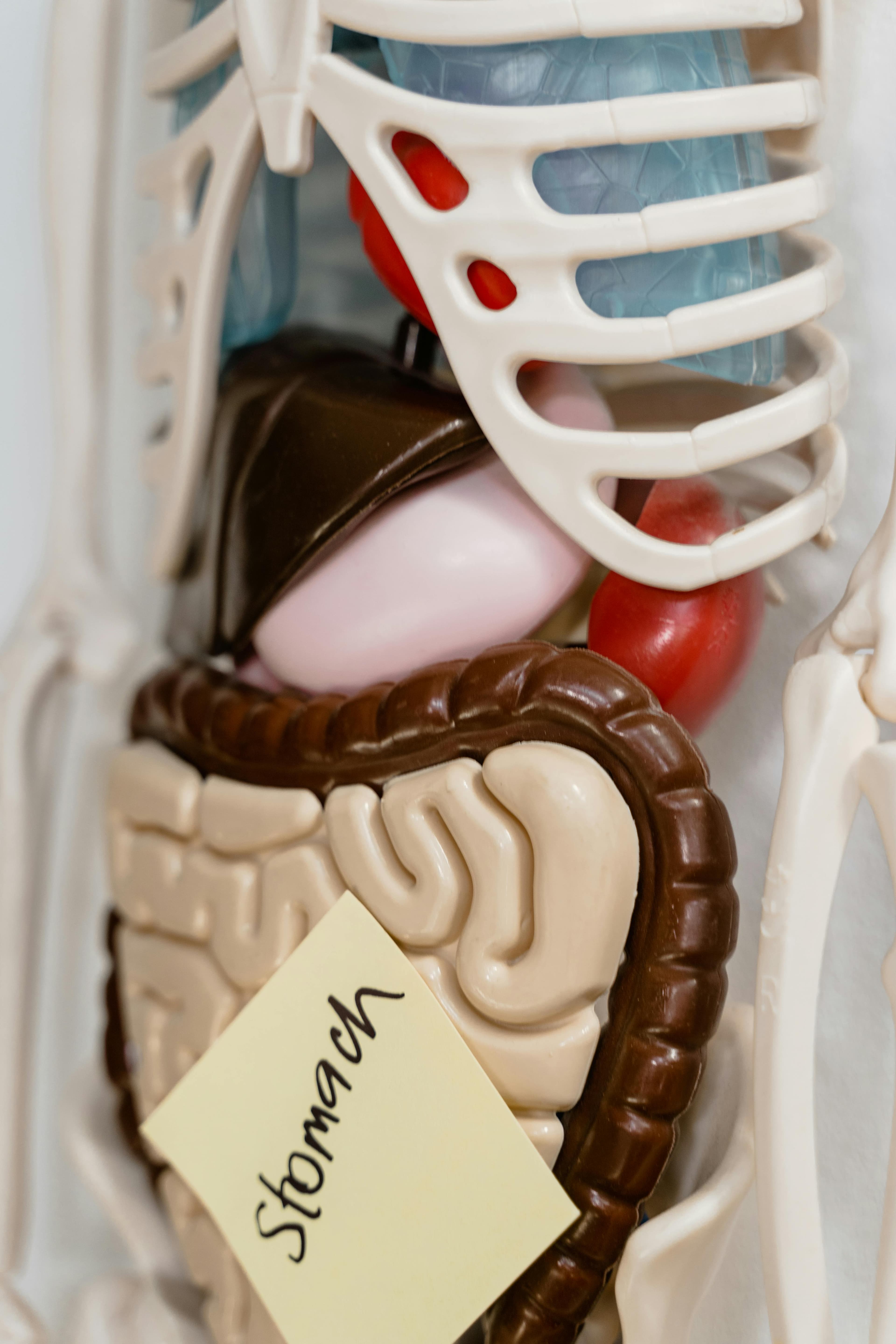
Key Signs and Symptoms of a Ruptured Gallbladder
Recognizing the symptoms of a gallbladder rupture is crucial for seeking timely medical care. Here are the primary signs to watch for:
- Severe Abdominal Pain: The most common symptom is sudden, sharp, and severe pain in the upper right quadrant of the abdomen. This pain may radiate to the back or right shoulder.
- Fever: A high temperature often accompanies a gallbladder rupture, indicating infection.
- Nausea and Vomiting: These symptoms are common and may persist even after vomiting.
- Jaundice: Yellowing of the skin and eyes can occur if bile leaks into the bloodstream.
- Abdominal Tenderness: The abdomen may be tender to touch, particularly in the upper right area.
It's important to note that these symptoms can sometimes be mistaken for other conditions. Research shows that the pain might be short-lived after the rupture but often returns as the rupture site grows or becomes infected.
Risk Factors for Gallbladder Rupture
Understanding the risk factors can help in prevention and early detection. Some key risk factors include:
- Gallstones
- Chronic inflammation of the gallbladder
- Trauma to the abdomen
- Infections
- Certain medical conditions like diabetes or immunosuppression

Diagnosis of Gallbladder Rupture
If a gallbladder rupture is suspected, doctors will use various diagnostic tools to confirm the condition. According to medical experts, these may include:
- Ultrasound of the abdomen
- CT scan
- HIDA scan (a nuclear medicine test)
- Blood tests to check for signs of infection and liver function
It's worth noting that diagnosis can be challenging, as symptoms may resemble those of uncomplicated gallbladder inflammation. This underscores the importance of seeking professional medical evaluation when experiencing severe abdominal pain.
When to Seek Immediate Medical Attention
Given the potential severity of a gallbladder rupture, it's crucial to know when to seek emergency care. Contact a healthcare provider immediately if you experience:
- Sudden, severe abdominal pain that doesn't subside
- Fever accompanied by abdominal pain
- Yellowing of the skin or eyes
- Persistent nausea and vomiting
Remember, early intervention is key in preventing life-threatening complications such as sepsis. Studies indicate that an untreated ruptured gallbladder can lead to systemic inflammatory response syndrome (SIRS), which can be life-threatening if there's an underlying infection.
Conclusion
A ruptured gallbladder is a serious medical condition that requires immediate attention. By being aware of the signs and symptoms, you can seek timely medical care and potentially avoid severe complications. If you suspect a gallbladder rupture, don't hesitate to seek emergency medical attention. Remember, when it comes to your health, it's always better to err on the side of caution.