Is an Orthoptist a Doctor? Understanding the Role of Orthoptics in Eye Care
Published on December 23, 2024
Key Takeaway
While orthoptists are not medical doctors, they are highly trained allied health professionals who play a crucial role in diagnosing and treating eye disorders, often working closely with ophthalmologists to provide comprehensive eye care.
Introduction
When it comes to eye care, there are various professionals involved in ensuring our vision remains healthy. One such specialist is an orthoptist. But is an orthoptist a doctor? This article will delve into the role of orthoptists, their qualifications, and how they contribute to eye care alongside ophthalmologists and optometrists.
What is an Orthoptist?
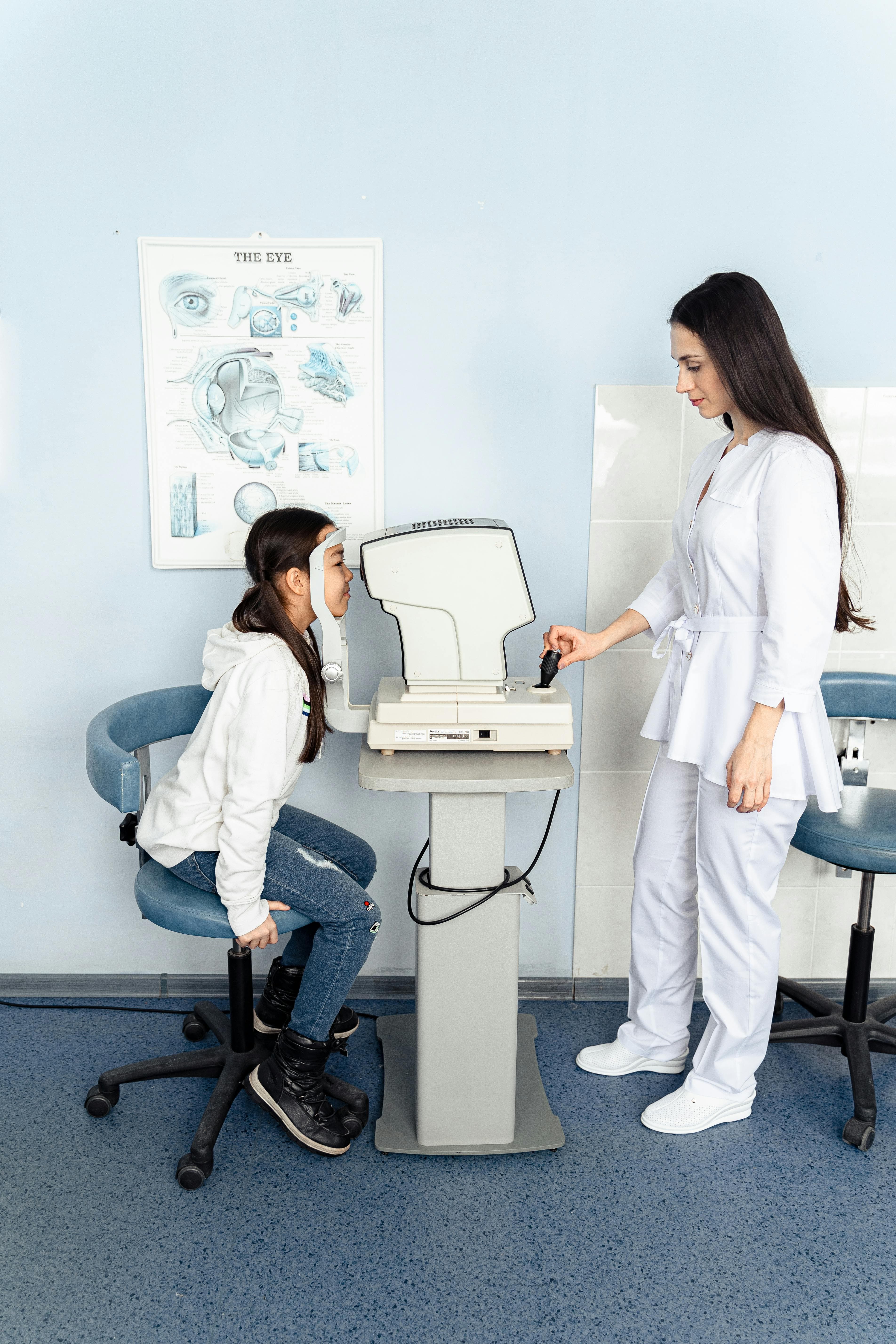
An orthoptist is a highly trained allied health professional who specializes in diagnosing and treating disorders of eye movements and vision problems. While they are not medical doctors, orthoptists play a crucial role in the eye care team. According to a study by Aaron M Miller, orthoptists are known to improve practice efficiency and provide significant return on investment in pediatric ophthalmology practices.
Orthoptist vs. Ophthalmologist: Key Differences
While orthoptists and ophthalmologists work closely together, there are some key differences:
- Education: Ophthalmologists are medical doctors who complete medical school and residency, while orthoptists typically have a bachelor's or master's degree in orthoptics.
- Scope of Practice: Ophthalmologists can perform eye surgeries and prescribe medications, whereas orthoptists focus on non-surgical treatments and diagnostic procedures.
- Specialization: Orthoptists specialize in eye movement disorders and binocular vision, while ophthalmologists cover a broader range of eye conditions.
The Role of Orthoptists in Eye Care
Orthoptists play a vital role in the diagnosis and treatment of various eye conditions. A study by Jane Scheetz et al. found that there was a high level of agreement (84.6%) between orthoptists and medical practitioners in diagnosing strabismus and amblyopia in children.
Some of the key responsibilities of orthoptists include:
- Assessing eye movements and binocular vision
- Diagnosing and treating conditions such as amblyopia (lazy eye) and strabismus (squint)
- Providing vision therapy and rehabilitation
- Assisting ophthalmologists in pre- and post-operative care
- Conducting specialized tests and screenings
The Importance of Orthoptists in the Eye Care Team
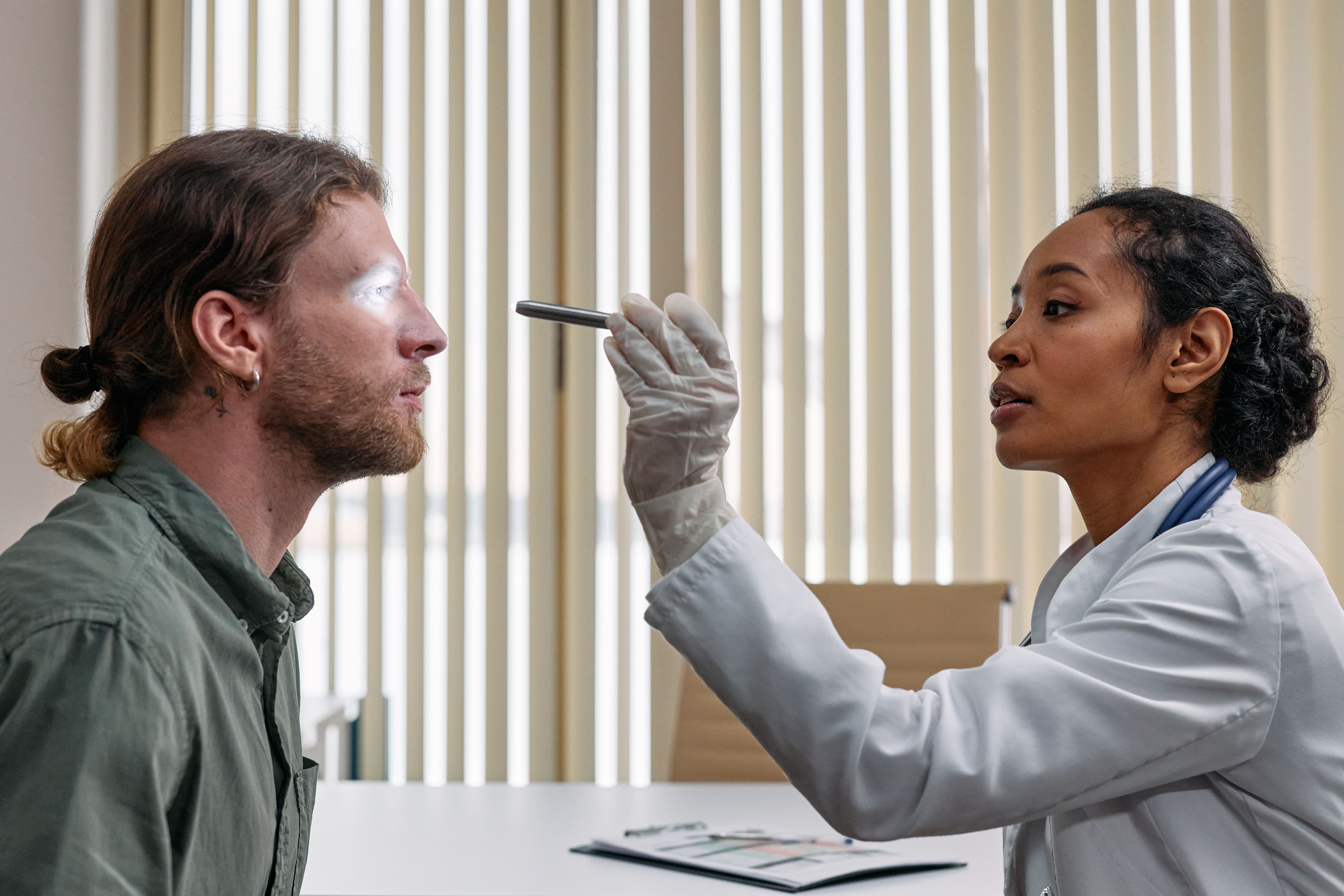
Orthoptists are an integral part of the eye care team, working alongside ophthalmologists and optometrists to provide comprehensive patient care. Research by Zoran Georgievski et al. demonstrated that orthoptists showed high performance in detecting diabetic retinopathy, with a mean sensitivity of 86% and specificity of 91%.
Their specialized skills in assessing and treating eye movement disorders make them invaluable in:
- Pediatric eye care
- Neuro-ophthalmology
- Low vision rehabilitation
- Diabetic eye screening programs
Education and Training of Orthoptists
While orthoptists are not medical doctors, they undergo rigorous education and training. In many countries, orthoptists complete a bachelor's or master's degree in orthoptics. A recent study by Ana María Cruz Lasso found that 90% of ophthalmologists surveyed advocated for level 4 advanced European-standard training for orthoptists.
The training typically includes:
- Anatomy and physiology of the eye
- Optics and refraction
- Ocular motility and binocular vision
- Pediatric ophthalmology
- Clinical placements and practical experience
Conclusion
While orthoptists are not medical doctors, they are highly skilled professionals who play a crucial role in eye care. Their specialized knowledge in eye movement disorders and binocular vision makes them invaluable members of the eye care team. By working closely with ophthalmologists and optometrists, orthoptists contribute significantly to improving patient outcomes and advancing the field of eye care.