Knee Braces for Hoffa's Syndrome: A Comprehensive Guide
Published on January 1, 2025
Key Takeaway
Knee braces can be an effective non-surgical treatment option for managing pain and improving stability in patients with Hoffa's syndrome, but should be used in conjunction with other therapies for best results.
Introduction
Hoffa's syndrome, also known as fat pad impingement syndrome, is a common but often overlooked cause of anterior knee pain. This condition occurs when the infrapatellar fat pad (Hoffa's fat pad) becomes inflamed and impinged between the femur and tibia, leading to pain and limited knee function. While various treatment options exist, knee braces have emerged as a valuable tool in managing this condition. In this comprehensive guide, we'll explore the use of knee braces for Hoffa's syndrome, their benefits, and how to choose the right one for your needs.
Understanding Hoffa's Syndrome
Before diving into knee braces, it's essential to understand the nature of Hoffa's syndrome. According to a 2023 systematic review by Abelleyra Lastoria et al., Hoffa's fat pad syndrome is defined as impingement of Hoffa's fat pad, leading to edema and fibrosis. The condition can be caused by various factors, including trauma, repetitive microtrauma, and anatomical predispositions.
The Role of Knee Braces in Hoffa's Syndrome
Knee braces play a crucial role in the conservative management of Hoffa's syndrome. They serve several purposes:
- Providing support and stability to the knee joint
- Reducing pressure on the infrapatellar fat pad
- Improving patellar tracking
- Limiting excessive knee extension that may exacerbate impingement
Types of Knee Braces for Hoffa's Syndrome
Several types of knee braces can be beneficial for patients with Hoffa's syndrome:
- Patellar Tendon Straps: These simple braces apply pressure to the patellar tendon, which can help redistribute forces and reduce stress on the fat pad.
- Patellofemoral Braces: These braces are designed to improve patellar tracking and provide compression to the anterior knee.
- Hinged Knee Braces: For more severe cases, hinged braces offer additional support and can be adjusted to limit extension.
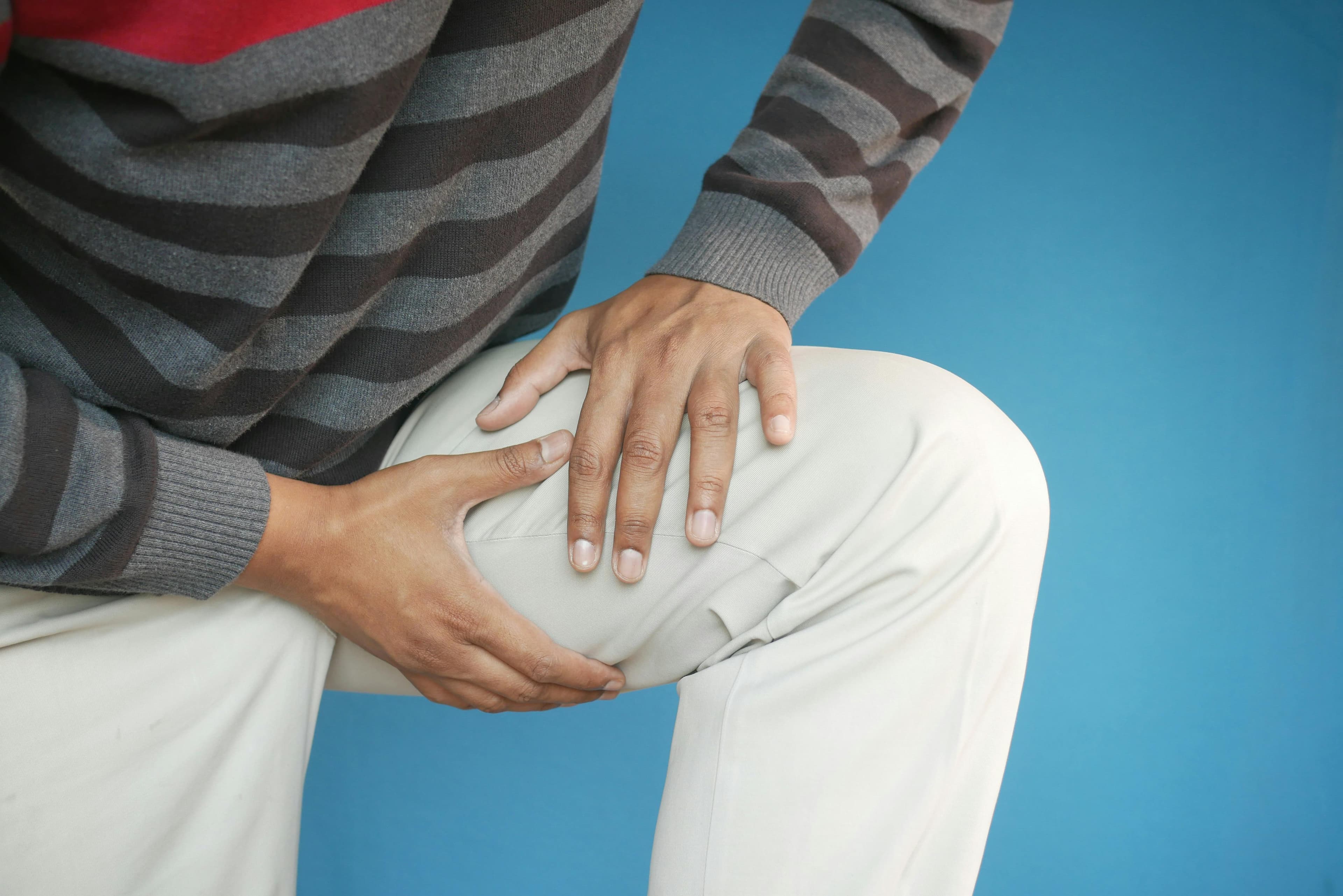
Choosing the Right Knee Brace
Selecting the appropriate knee brace is crucial for effective management of Hoffa's syndrome. Consider the following factors:
- Severity of symptoms
- Level of activity
- Comfort and fit
- Recommendations from your healthcare provider
It's important to consult with a healthcare professional, such as an orthopedic specialist or physical therapist, to determine the most suitable brace for your specific condition.
Using Knee Braces Effectively
To maximize the benefits of knee braces for Hoffa's syndrome:
- Wear the brace as directed by your healthcare provider
- Ensure proper fit and adjustment
- Use the brace in conjunction with other treatments, such as physical therapy and activity modification
- Regularly inspect the brace for wear and tear
Complementary Treatments
While knee braces can be highly effective, they should be used as part of a comprehensive treatment plan. DuBose and Taqi (2023) suggest that other treatments for Hoffa's syndrome may include:
- Physical therapy focusing on quadriceps strengthening
- Taping techniques to tilt the inferior portion of the patella anteriorly
- Corticosteroid injections for pain relief
- Activity modification to avoid hyperextension and rapid extension maneuvers
Potential Limitations and Considerations
While knee braces can be beneficial, it's important to note their limitations:
- They are not a cure for Hoffa's syndrome
- Overreliance on braces may lead to muscle weakness
- Some patients may experience skin irritation or discomfort
Always follow your healthcare provider's guidance on brace usage and duration.
Conclusion
Knee braces can be a valuable tool in managing Hoffa's syndrome, offering support, stability, and pain relief. When used correctly and in conjunction with other treatments, they can significantly improve quality of life for those suffering from this condition. Remember to consult with a healthcare professional to develop a personalized treatment plan that includes the appropriate use of knee braces. With the right approach, many patients can find relief from the symptoms of Hoffa's syndrome and return to their normal activities.