Leukocyte-Poor PRP: Understanding Its Benefits and Applications in Regenerative Medicine
Published on January 5, 2025
Key Takeaway
Leukocyte-poor platelet-rich plasma (LP-PRP) offers potential advantages over leukocyte-rich PRP in certain clinical applications due to its reduced inflammatory profile and enhanced regenerative properties.
Introduction
Platelet-rich plasma (PRP) therapy has gained significant attention in the field of regenerative medicine over the past decade. Among the various PRP formulations, leukocyte-poor PRP (LP-PRP) has emerged as a promising option for certain clinical applications. This article delves into the world of LP-PRP, exploring its characteristics, preparation methods, and potential benefits in comparison to leukocyte-rich PRP (LR-PRP).
Understanding Leukocyte-Poor PRP
LP-PRP is a concentrated blood product that contains a high concentration of platelets and growth factors, but with a reduced number of leukocytes (white blood cells) compared to whole blood or LR-PRP. The rationale behind LP-PRP is to harness the regenerative potential of platelets while minimizing the potential pro-inflammatory effects associated with leukocytes.
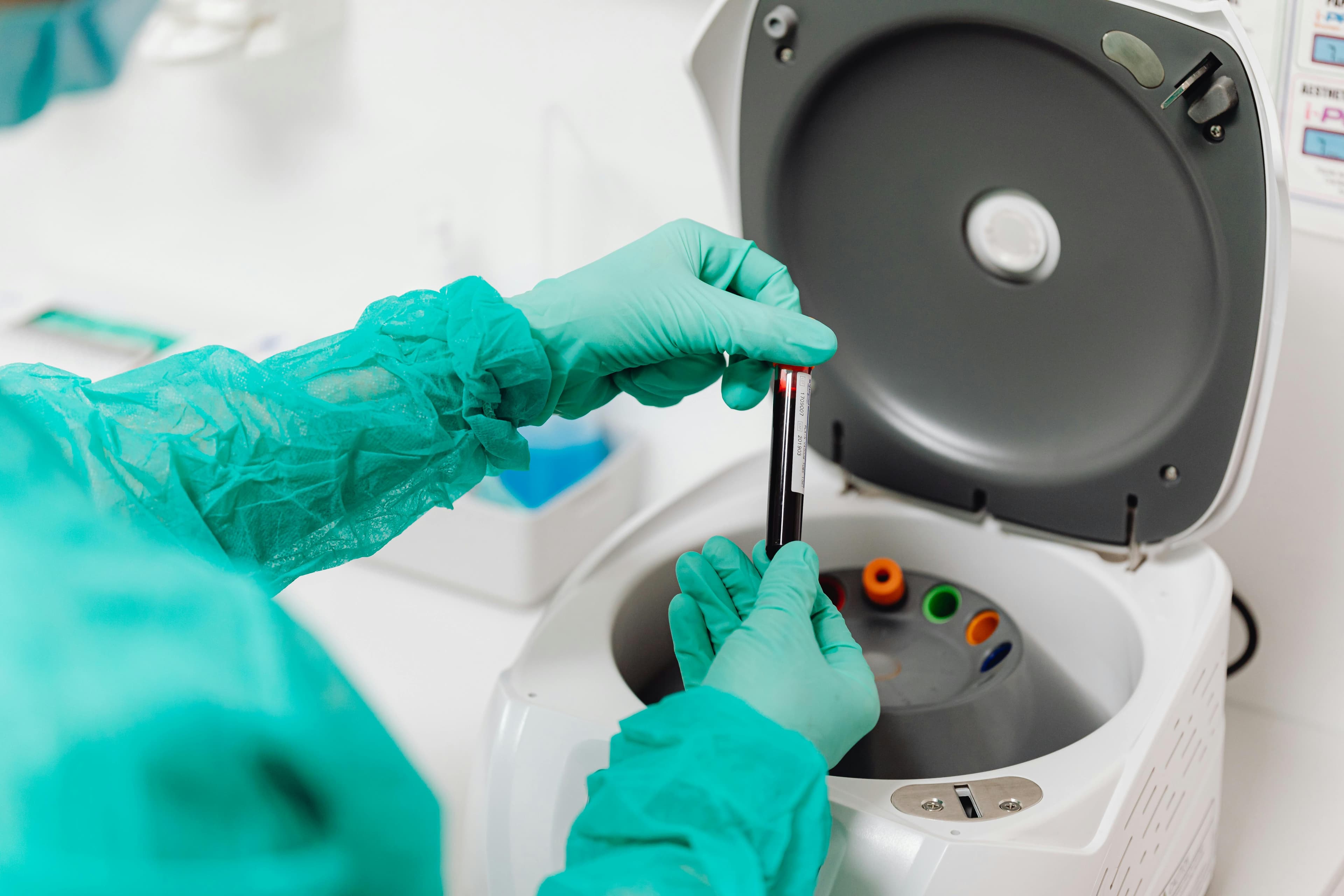
Preparation Methods
Several techniques can be used to prepare LP-PRP, including:
- Differential centrifugation
- Filtration
- Specialized PRP kits
According to a study by Devereaux et al. (2020), a standardized freeze-thawing technique has shown promise in producing high-quality LP-PRP.
Benefits of Leukocyte-Poor PRP
LP-PRP offers several potential advantages over LR-PRP:
- Reduced inflammation: Anitua et al. (2015) found that LP-PRP resulted in lower pro-inflammatory cytokine production compared to LR-PRP.
- Enhanced tissue healing: Some studies suggest that LP-PRP may promote better tissue regeneration in certain applications.
- Decreased pain: Patients receiving LP-PRP injections may experience less post-injection pain compared to those receiving LR-PRP.
Clinical Applications
LP-PRP has shown promise in various medical fields, including:
- Orthopedics: Treatment of tendinopathies and osteoarthritis
- Dermatology: Skin rejuvenation and hair restoration
- Sports Medicine: Accelerating recovery from muscle and ligament injuries

Comparing LP-PRP and LR-PRP
While LP-PRP has shown promise, it's important to note that the optimal PRP formulation may depend on the specific clinical application. Shim et al. (2022) found that LR-PRP may be more effective for certain conditions, such as lateral epicondylitis, in the long term.
Future Directions
As research in this field continues to evolve, we can expect:
- More standardized preparation methods for LP-PRP
- Clearer guidelines on when to use LP-PRP vs. LR-PRP
- Expanded applications in regenerative medicine
Conclusion
Leukocyte-poor PRP represents an exciting development in the field of regenerative medicine. While more research is needed to fully understand its optimal applications, LP-PRP shows promise in reducing inflammation and promoting tissue healing in various clinical settings. As our understanding of PRP continues to grow, we can look forward to more targeted and effective treatments that harness the body's natural healing potential.