Lukewarm Showers for Fever: A Gentle Approach to Temperature Management
Published on September 8, 2024
Key Takeaway
Lukewarm showers can be a safe and comfortable method to help manage fever, but should be used in conjunction with other treatments and under medical guidance.
Introduction
When fever strikes, the quest for relief often leads to various remedies. One method that has stood the test of time is the lukewarm shower. But how effective is this approach, and what does science say about its use? Let's dive into the world of temperature management and explore the role of lukewarm showers in fever care.
Understanding Fever and Body Temperature
Before we discuss treatment methods, it's crucial to understand what fever is and how it affects the body. Fever is typically defined as a body temperature above 38°C (100.4°F). It's the body's natural response to infection or illness, helping to activate the immune system. However, high fevers can be uncomfortable and potentially dangerous, especially in children.
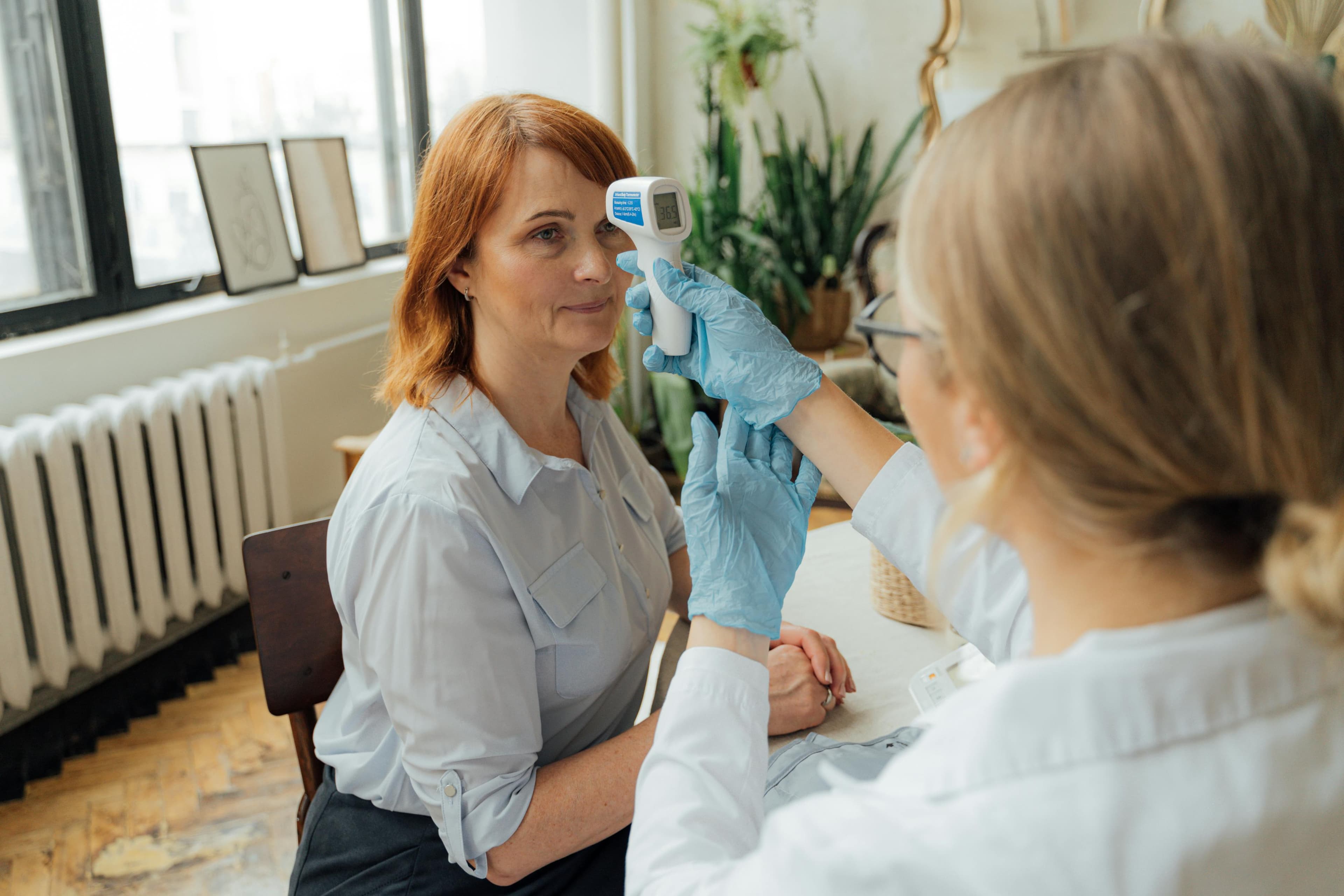
According to a study by Del Bene (1990), the presence of fever is often underestimated by touch alone, even when the measured temperature is as high as 39°C (102.2°F). This underscores the importance of accurate temperature measurement in fever management.
The Science Behind Lukewarm Showers
Lukewarm showers work on the principle of conduction and evaporation to help lower body temperature. When the water temperature is slightly below body temperature, it creates a gentle cooling effect without causing shivering, which can actually raise body temperature.
Dr. Teo Soleymani, associate professor of Dermatology at UCLA, recommends keeping shower temperatures between 98°F–105°F (36.7°C–40.6°C). This range is ideal for maintaining skin health and can be beneficial for fever management as well.
Effectiveness of Lukewarm Showers for Fever
While lukewarm showers can provide comfort, their effectiveness in significantly reducing fever has been debated. A review by Meremikwu et al. (2003) found that physical cooling methods, including tepid sponging (which works on similar principles to lukewarm showers), had limited benefits when compared to antipyretic drugs alone.
However, when used in conjunction with medication, physical cooling methods can be more effective. The same study showed that combining physical methods with antipyretics resulted in a higher proportion of children without fever at one hour compared to antipyretics alone.
How to Use Lukewarm Showers for Fever
- Ensure the water temperature is lukewarm, not cold or hot
- Keep the shower duration short, around 5-10 minutes
- Gently pat dry after the shower, avoiding vigorous rubbing
- Monitor temperature before and after the shower
It's important to note that while lukewarm showers can help manage fever symptoms, they should not replace medical treatment or advice. Always consult with a healthcare professional for proper fever management, especially for high or persistent fevers.
Potential Risks and Considerations
While generally safe, there are some considerations when using lukewarm showers for fever:
- Avoid cold water, as it can cause shivering and increase body temperature
- Be cautious with young children and infants, as they may be more sensitive to temperature changes
- Stop if the person experiences discomfort or starts shivering
Meremikwu et al. (2003) noted that mild adverse events like shivering and goose pimples were more common with physical cooling methods compared to medication alone. This emphasizes the importance of careful temperature control during the shower.
Combining Lukewarm Showers with Other Treatments
For optimal fever management, lukewarm showers can be used alongside other treatments. Osborn (2018) suggests several complementary approaches:
- Stay hydrated with cool or room-temperature water
- Use light clothing and bedding
- Rest and avoid overexertion
- Consider over-the-counter fever reducers as recommended by a healthcare provider
When to Seek Medical Attention
While lukewarm showers can be a helpful home remedy, it's crucial to know when professional medical care is necessary. Seek immediate medical attention if:
- Fever is above 39.4°C (103°F)
- Fever persists for more than three days
- There are signs of dehydration or other severe symptoms
- The person is an infant under 3 months with any fever
Conclusion
Lukewarm showers can be a gentle, comforting approach to managing fever symptoms. While not a substitute for medical treatment, they can be a useful part of a comprehensive fever management strategy. Remember to use lukewarm water, keep showers brief, and always follow the advice of healthcare professionals. By combining this method with proper hydration, rest, and medication when necessary, you can help make the fever experience more comfortable and manageable.