Lumbar Radiculopathy and Groin Pain: Understanding the Connection
Published on January 10, 2025
Key Takeaway
Lumbar radiculopathy can cause groin pain, particularly when the L1-L3 nerve roots are affected, highlighting the importance of considering spinal issues in cases of unexplained groin discomfort.
Introduction
When you think of lower back problems, groin pain might not be the first symptom that comes to mind. However, the connection between lumbar radiculopathy and groin discomfort is more common than many realize. This article explores the intricate relationship between spinal nerve compression and groin pain, shedding light on a often misunderstood aspect of spinal health.
Understanding Lumbar Radiculopathy
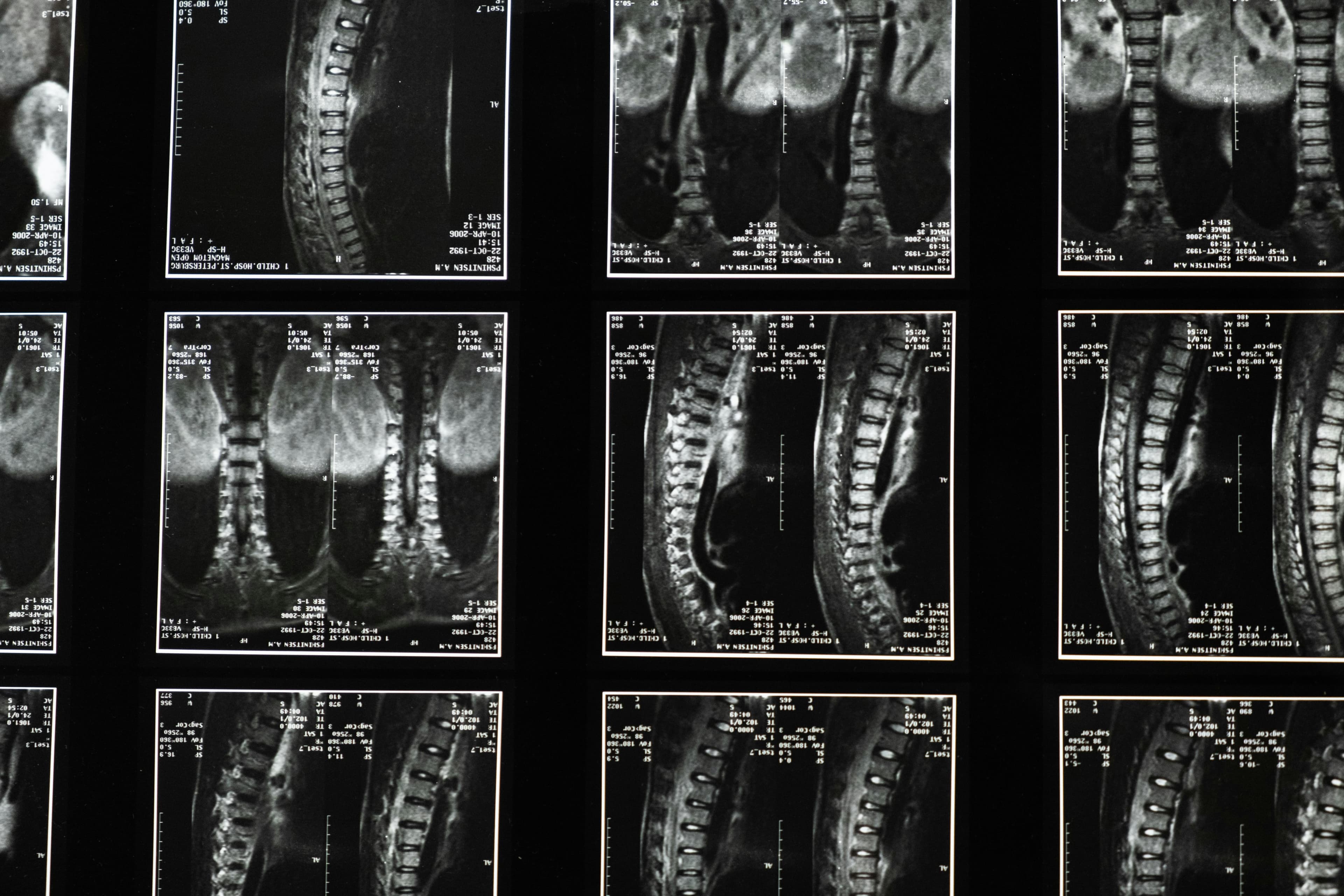
Lumbar radiculopathy occurs when nerve roots in the lower back become compressed or irritated. This condition is typically associated with symptoms like lower back pain, leg pain (sciatica), numbness, and weakness. However, depending on which nerve roots are affected, the symptoms can manifest in unexpected areas, including the groin.
The Groin Pain Connection
While most cases of lumbar radiculopathy affect the L4-S1 nerve roots, leading to symptoms in the legs and feet, compression of the upper lumbar nerve roots (L1-L3) can cause pain in the groin area. A study by Yukawa et al. (1997) found that 4.1% of patients with lower lumbar disc herniation reported groin pain, highlighting this less common but significant symptom.
Identifying Groin Pain from Lumbar Radiculopathy
Distinguishing groin pain caused by lumbar radiculopathy from other sources can be challenging. Here are some key characteristics:
- Pain that radiates from the lower back to the groin
- Accompanying symptoms like numbness or tingling in the thigh
- Pain that worsens with certain spine movements
- Possible weakness in hip flexion (for L1-L2 involvement)
Diagnostic Challenges
Groin pain from lumbar radiculopathy is often misdiagnosed, leading to delayed or inappropriate treatment. Hirabayashi et al. (2009) found that some patients with L3 radiculopathy were initially misdiagnosed with hip or knee joint diseases. This underscores the importance of a thorough neurological examination and appropriate imaging studies in cases of persistent groin pain.
Treatment Approaches
Managing groin pain caused by lumbar radiculopathy typically involves a multifaceted approach:
- Conservative measures (rest, physical therapy, pain medication)
- Selective nerve root injections
- Surgical intervention in severe or persistent cases
Savulescu et al. (2020) demonstrated the effectiveness of repetitive peripheral magnetic stimulation (rPMS) in treating lumbar radiculopathy, offering a promising non-invasive option for patients.
Conclusion
Recognizing the potential link between lumbar radiculopathy and groin pain is crucial for accurate diagnosis and effective treatment. If you're experiencing persistent groin pain, especially in conjunction with back symptoms, consider consulting a spine specialist to explore the possibility of lumbar radiculopathy. By understanding this connection, patients and healthcare providers can work together to address the root cause of the pain and develop appropriate treatment strategies.