Lumbar Spondylosis Treatment: The Power of Physiotherapy
Published on January 10, 2025
Key Takeaway
Physiotherapy, including targeted exercises, manual therapy, and patient education, is a highly effective non-surgical treatment for lumbar spondylosis that can significantly reduce pain and improve function.
Introduction
Lumbar spondylosis, a degenerative condition affecting the lower spine, can be a source of chronic pain and disability for many. While surgical interventions exist, physiotherapy has emerged as a powerful, non-invasive treatment option. This article explores the effectiveness of physiotherapy in managing lumbar spondylosis and how it can help patients regain their quality of life.
Understanding Lumbar Spondylosis
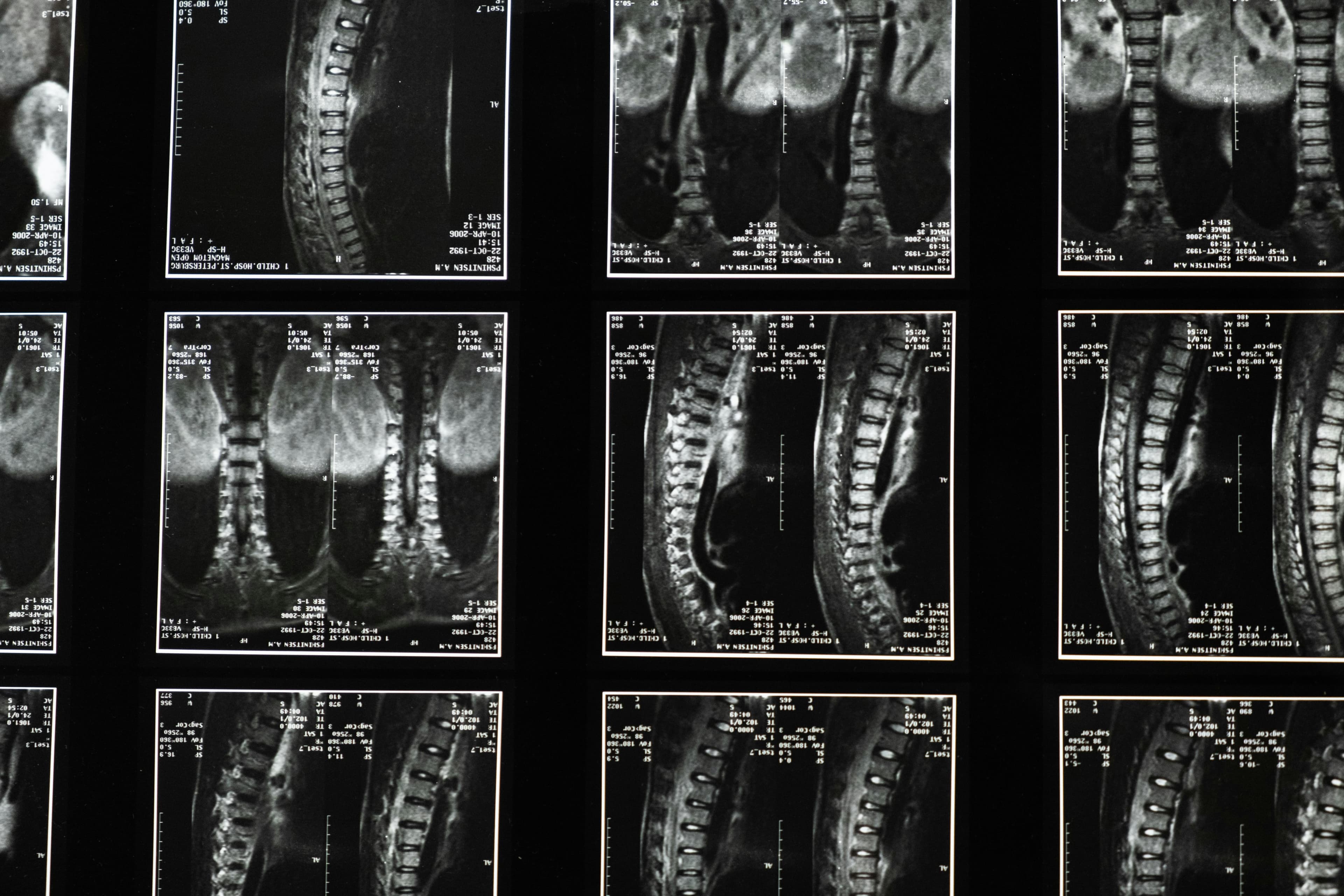
Lumbar spondylosis is characterized by wear and tear of the vertebrae and discs in the lower back. It's a common condition, especially among older adults, often leading to pain, stiffness, and reduced mobility. According to a recent study, it most commonly affects the lumbar 4-5 and lumbar 5-sacral 1 vertebrae, accounting for approximately 95% of cases.
The Role of Physiotherapy in Treatment
Physiotherapy plays a crucial role in the conservative management of lumbar spondylosis. Research has shown that a broad range of physiotherapeutic modalities can be helpful, especially during the acute stage of the condition. These may include:
- The McKenzie method
- Mobilization therapies
- Traction
- Pain-reducing physical therapies (e.g., cold or electrotherapy)
Evidence-Based Physiotherapy Techniques
Several studies have demonstrated the effectiveness of specific physiotherapy interventions:
1. Core Muscle Strengthening
A randomized controlled trial found that specific training of deep abdominal muscles and lumbar multifidus led to significant reductions in pain intensity and functional disability levels in patients with chronic low back pain, including those with spondylolysis or spondylolisthesis.
2. Manual Therapy
Research comparing Maitland mobilization with conventional physical therapy showed that manual therapy interventions were more effective in managing low back pain and improving function and range of motion of the lumbar spine.
3. Exercise Therapy
A prospective cohort study found that a structured physiotherapy treatment model, including Mechanical Diagnosis and Therapy (MDT) and graded trunk stabilization training, led to significant improvements in disability, pain, and quality of life in patients with lumbar disc herniation.

The Importance of Individualized Treatment
While these techniques show promise, it's crucial to remember that every patient is unique. A recent Delphi survey among manual therapists identified eight essential physiotherapy management strategies for lumbar spinal stenosis, which can be applied to lumbar spondylosis:
- Detailed assessment with in-depth interview
- Recognition of red flags, contraindications, and precautions
- Neurological examination
- Postural and movement analysis with related ergonomics
- Functional analysis
- Individualized treatment based on assessment findings and research evidence
- Aerobic training
- Patient education
The Role of Patient Education and Self-Management
Physiotherapy isn't just about hands-on treatment; it also involves educating patients about their condition and empowering them to take an active role in their recovery. Recent evidence suggests that the combination of active exercises and patient education shows promising success in managing lumbar back pain.
Conclusion
Physiotherapy offers a comprehensive, evidence-based approach to treating lumbar spondylosis. By combining targeted exercises, manual therapy, and patient education, it can significantly reduce pain, improve function, and enhance quality of life for those suffering from this condition. While the journey to recovery may be gradual, the non-invasive nature and long-term benefits of physiotherapy make it an attractive option for many patients. As always, it's essential to consult with a qualified healthcare professional to determine the best treatment plan for your individual needs.