Magnesium for PCOS: Dosage, Benefits, and Latest Research
Published on January 11, 2025
Key Takeaway
Magnesium supplementation, particularly when combined with other nutrients, may improve insulin resistance, reduce inflammation, and alleviate some symptoms of PCOS, though optimal dosage and long-term effects require further research.
Introduction
Polycystic ovary syndrome (PCOS) affects approximately 1 in 10 women of reproductive age worldwide, making it one of the most common endocrine disorders. As researchers continue to explore potential treatments, magnesium has emerged as a promising supplement for managing PCOS symptoms. This article delves into the latest research on magnesium supplementation for PCOS, discussing its potential benefits, recommended dosages, and important considerations.
Understanding Magnesium's Role in PCOS
Magnesium is a crucial mineral involved in over 300 enzymatic reactions in the body, including those related to insulin function and glucose metabolism. Women with PCOS often experience insulin resistance, which can exacerbate their symptoms. Recent studies have shown that women with PCOS, particularly those who are overweight or obese, tend to have lower serum magnesium levels compared to women without PCOS.
Potential Benefits of Magnesium Supplementation for PCOS
Research has indicated several potential benefits of magnesium supplementation for women with PCOS:
- Improved Insulin Sensitivity: A study published in 2024 found that magnesium supplementation led to significant reductions in serum insulin levels and insulin resistance in women with PCOS.
- Reduced Inflammation: Research from 2018 showed that magnesium supplementation, especially when combined with other nutrients, could significantly reduce levels of high-sensitivity C-reactive protein (hs-CRP), a marker of inflammation.
- Improved Lipid Profile: Some studies have observed improvements in cholesterol levels and triglycerides with magnesium supplementation.
- Potential Reduction in Hirsutism: A 2022 study found that magnesium supplementation, particularly when combined with melatonin, resulted in a significant decrease in hirsutism scores.
Recommended Dosage for PCOS
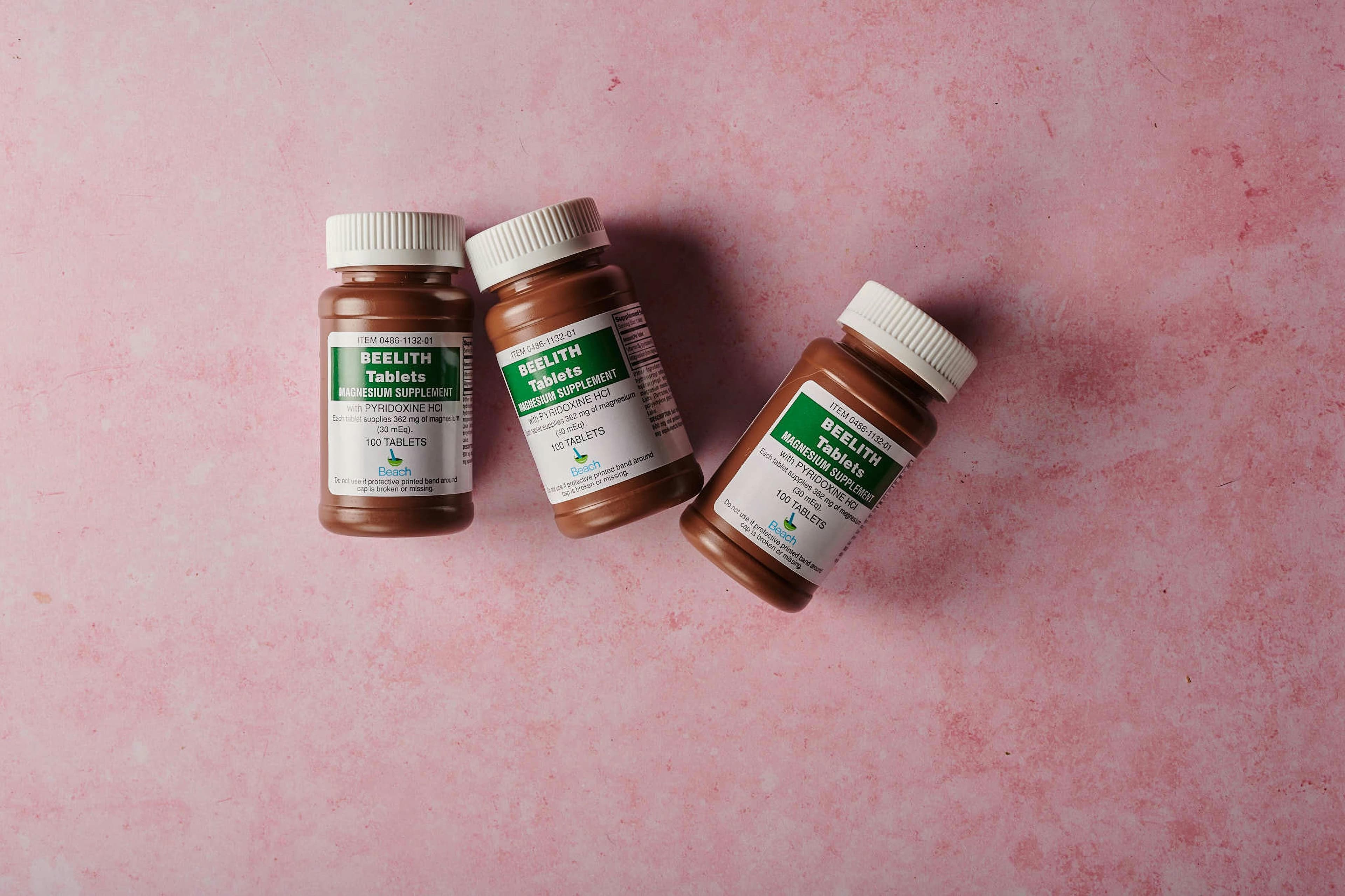
While there is no universally agreed-upon dosage of magnesium specifically for PCOS, most studies have used doses ranging from 200 to 400 mg per day. For example:
- A 2020 study used 250 mg of magnesium oxide daily for 8 weeks.
- Another study from 2017 used 100 mg of magnesium twice daily, in combination with other nutrients.
It's important to note that the optimal dosage may vary depending on individual factors and should be determined in consultation with a healthcare provider.
Combining Magnesium with Other Supplements
Interestingly, many studies have found enhanced benefits when magnesium is combined with other supplements:
- Magnesium + Vitamin E: Research has shown that this combination can lead to significant reductions in hirsutism, serum hs-CRP, and improvements in antioxidant capacity.
- Magnesium + Zinc + Calcium + Vitamin D: This combination has been associated with improvements in insulin metabolism and markers of cardio-metabolic risk.
- Magnesium + Melatonin: A 2022 study found that this combination improved hirsutism, inflammation markers, and antioxidant capacity in women with PCOS.
Considerations and Potential Side Effects
While magnesium supplementation is generally considered safe, it's important to be aware of potential side effects and considerations:
- Digestive Issues: High doses of magnesium can cause diarrhea, nausea, and abdominal cramping.
- Interactions: Magnesium can interact with certain medications, including antibiotics and diuretics.
- Kidney Function: People with kidney problems should consult their doctor before taking magnesium supplements, as the kidneys play a crucial role in regulating magnesium levels.
Conclusion
While the research on magnesium supplementation for PCOS is promising, it's important to note that more long-term studies are needed to fully understand its effects. As a 2022 review concluded, the appropriate dosage levels for ameliorating PCOS pathologies still need to be established due to potential health risks linked with higher doses. Always consult with a healthcare provider before starting any new supplement regimen, especially if you have PCOS or other health conditions. A holistic approach, including a balanced diet, regular exercise, and stress management, remains crucial in managing PCOS symptoms.