Monocular Precautions: Essential Safety Measures for One-Eyed Vision
Published on January 17, 2025
Key Takeaway
Monocular precautions are crucial safety measures for individuals with vision in only one eye, focusing on protecting the functioning eye and adapting to reduced depth perception.
Introduction
Monocular vision, or vision in only one eye, presents unique challenges and risks that require specific precautions. Whether due to injury, disease, or congenital conditions, individuals with monocular vision must take extra care to protect their functioning eye and adapt to the limitations of one-eyed sight. This article explores essential monocular precautions to ensure safety and maximize visual function for those with single-eye vision.
The Importance of Eye Protection
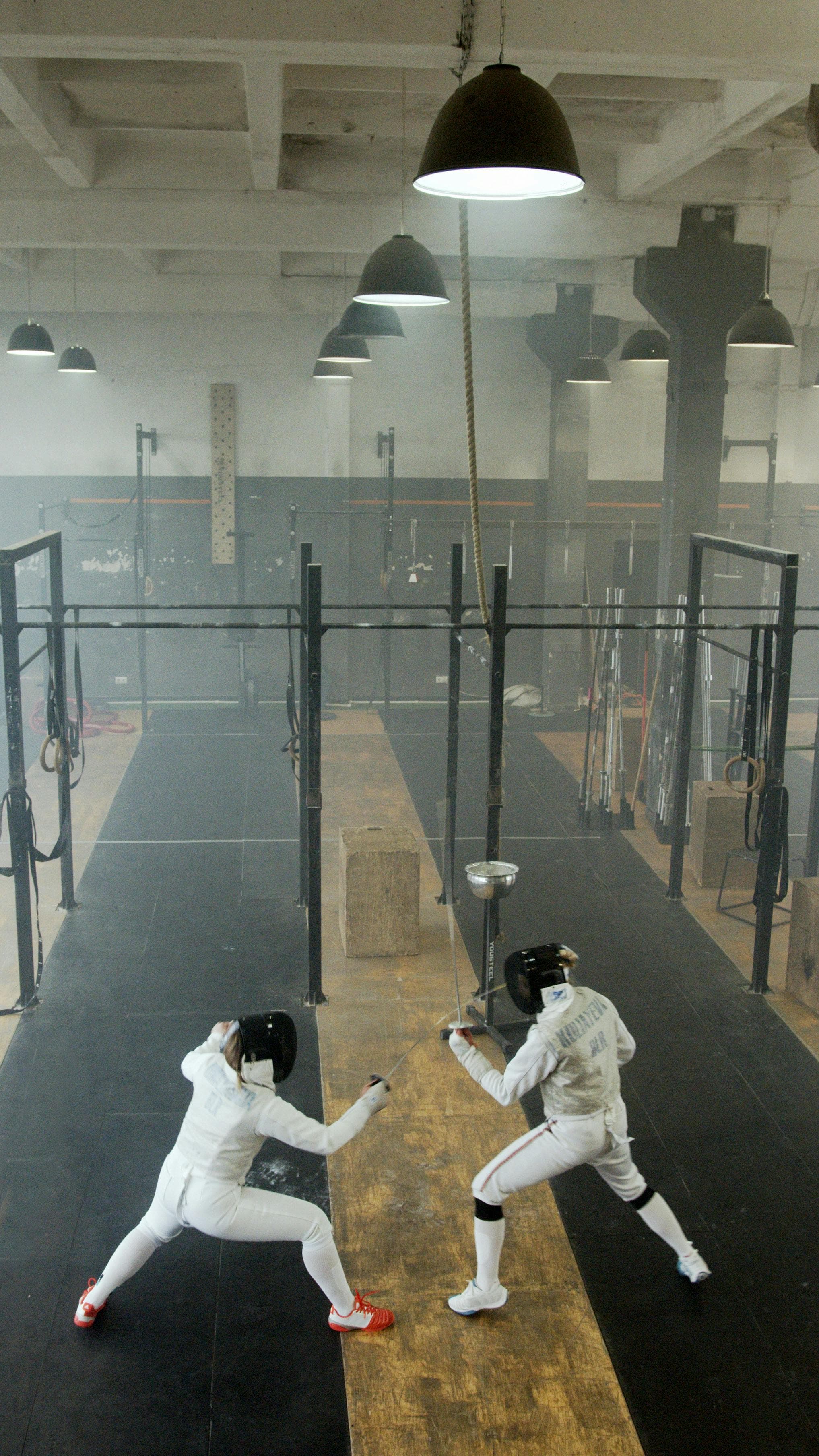
For individuals with monocular vision, protecting the functioning eye is paramount. According to Mohseni et al. (2023), patients should be encouraged to wear ocular protection at all times if they are monocular due to trauma, as vision loss in the remaining eye could lead to complete blindness. Key protective measures include:
- Wearing polycarbonate lenses full-time to prevent unexpected injury
- Using appropriate eye protection during sports and high-risk activities
- Considering eye protection even for routine household tasks
Driving Considerations for Monocular Individuals
Driving with monocular vision requires extra caution and awareness. Adrian et al. (2019) found that drivers under monocular conditions are 2.1 to 6.5 times more likely to collide with target vehicles compared to their binocular baseline. To enhance safety while driving:
- Use extra caution when changing lanes or merging
- Be aware of the blind spot on the side of the non-functioning eye
- Consider using additional mirrors to compensate for reduced peripheral vision
- Avoid driving at night or in poor weather conditions if possible
Adapting to Reduced Depth Perception
Monocular vision significantly impacts depth perception, which can affect various daily activities. Vale et al. (2008) observed that individuals with monocular blur showed increased toe clearance when stepping onto raised surfaces, indicating difficulty in accurately perceiving heights. To adapt:
- Take extra care when navigating stairs or uneven surfaces
- Use caution when pouring liquids or judging distances
- Consider using a cane or other assistive device for additional spatial awareness
- Practice depth perception exercises to improve visual skills
Occupational Safety for Monocular Individuals
In the workplace, monocular individuals may need to take additional precautions. Samo et al. (2003) found that monocularity causes an average loss of 23 degrees in the nasal meridian of peripheral vision. To ensure occupational safety:
- Inform employers and colleagues about your visual condition
- Request appropriate workplace accommodations if necessary
- Use extra caution when operating machinery or working with hazardous materials
- Consider specialized safety equipment designed for monocular vision
Regular Eye Examinations and Health Monitoring
Maintaining the health of the functioning eye is critical for monocular individuals. Regular eye examinations and health monitoring are essential. Boss et al. (2014) emphasized the importance of counseling patients on eye protection and regular check-ups. Key points include:
- Schedule regular comprehensive eye exams
- Monitor for any changes in vision or eye health
- Discuss any concerns or new symptoms with an eye care professional promptly
- Follow a healthy lifestyle to support overall eye health
Conclusion
Living with monocular vision requires vigilance and adaptation, but with proper precautions, individuals can lead safe and fulfilling lives. By prioritizing eye protection, adapting to visual limitations, and maintaining regular eye health check-ups, those with monocular vision can effectively navigate daily challenges and protect their precious sight. Remember, the key to successful monocular living lies in awareness, preparation, and proactive care of your remaining vision.