MPFL Reconstruction with Tibial Tubercle Osteotomy: A Comprehensive Guide
Published on January 18, 2025
Key Takeaway
MPFL reconstruction combined with tibial tubercle osteotomy is an effective surgical approach for treating patellar instability, particularly in patients with increased TT-TG distance or patella alta, offering improved stability and functional outcomes.
Introduction
Patellar instability is a challenging condition that can significantly impact a patient's quality of life. While medial patellofemoral ligament (MPFL) reconstruction has become a standard treatment, some cases require additional procedures to address underlying anatomical factors. This article delves into the combination of MPFL reconstruction with tibial tubercle osteotomy (TTO), a powerful approach for managing complex cases of patellar instability.
Understanding MPFL Reconstruction and Tibial Tubercle Osteotomy
MPFL reconstruction aims to restore the primary soft tissue restraint against lateral patellar translation. Tibial tubercle osteotomy, on the other hand, involves repositioning the tibial tubercle to improve patellar tracking and reduce lateral forces on the patella. When combined, these procedures can address both soft tissue and bony contributors to patellar instability.
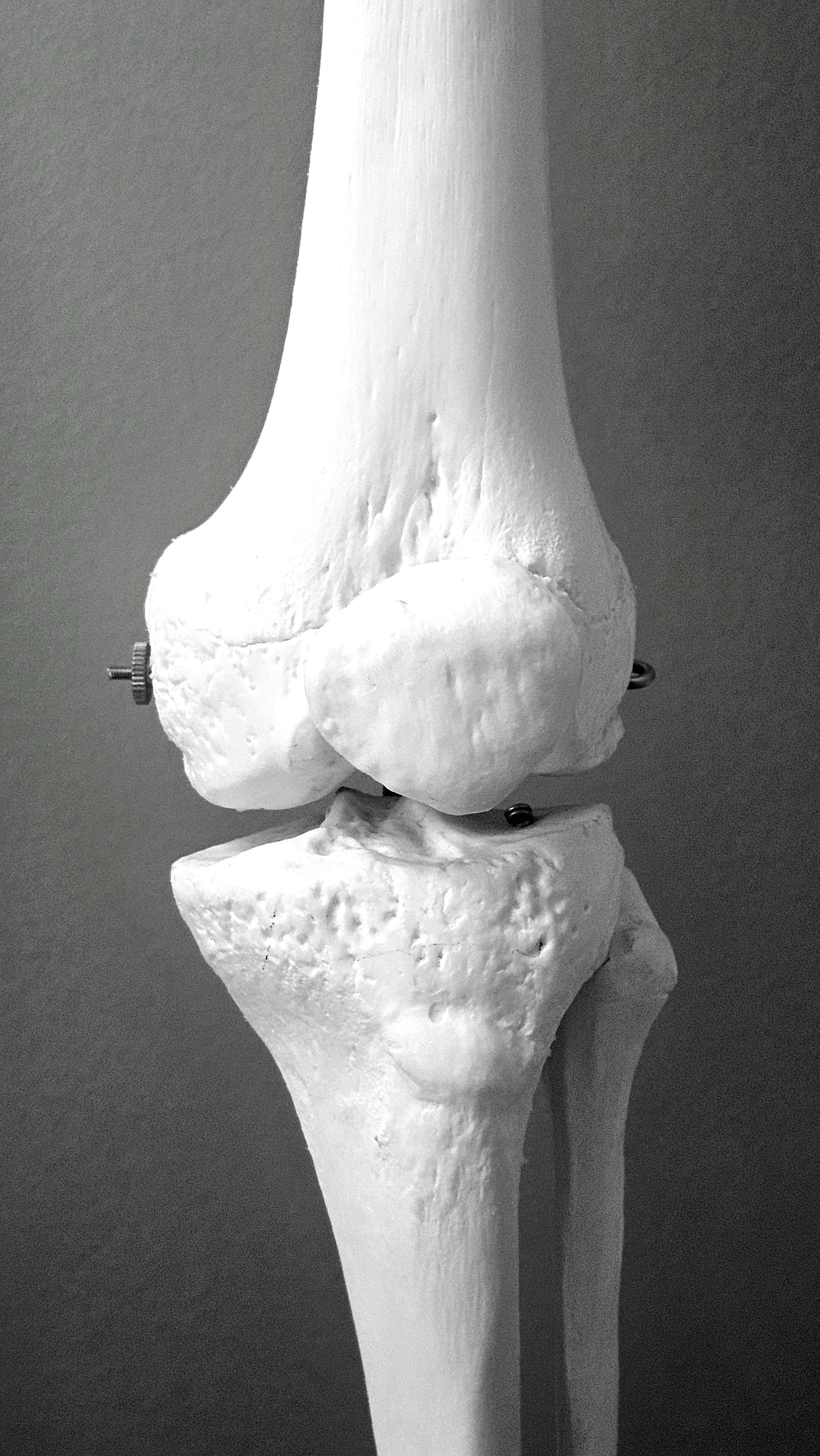
Indications for Combined MPFL Reconstruction and TTO
The decision to perform a combined procedure is based on several factors. According to a study by Stephen et al. (2015), MPFL reconstruction alone may be sufficient for patients with tibial tubercle-trochlear groove (TT-TG) distances up to 15 mm. However, for TT-TG distances greater than 15 mm, more aggressive surgery such as TTO may be indicated. Other indications include:
- Patella alta (high-riding patella)
- Recurrent instability after isolated MPFL reconstruction
- Severe trochlear dysplasia
- Significant Q-angle deformity
Surgical Technique
The combined procedure typically involves the following steps:
- MPFL reconstruction using a graft (often autograft or allograft)
- Tibial tubercle osteotomy to medialize and/or distalize the tubercle
- Fixation of the osteotomy site
- Tensioning and fixation of the MPFL graft
A study by Shatrov et al. (2022) describes a technique where a 6 cm long TTO is performed to medialize the extensor mechanism up to 1 cm and fixed with two 4.5 mm cortical screws.

Clinical Outcomes
Research has shown promising results for combined MPFL reconstruction and TTO. A systematic review by Almeida et al. (2023) found that patients who underwent the combined procedure had a mean postoperative Kujala score of 83.72, indicating significant improvement in knee function. The study also reported low complication rates concerning recurrent patellar dislocation.
Another study by Ahmad et al. (2017) demonstrated significant improvements in both KOOS and Kujala scores after combined MPFL reconstruction and TTO. The KOOS score improved from 68.25 to 77.05, while the Kujala score increased from 63.3 to 78.06.
Complications and Considerations
While generally safe, the combined procedure does carry some risks. Markus et al. (2024) reported a revision surgery rate of 10.2% for both isolated MPFL reconstruction and combined procedures. Potential complications include:
- Wound infection
- Hardware irritation
- Stiffness
- Nonunion of the tibial tuberosity
Return to Sports and Activity
Recovery and return to sports after combined MPFL reconstruction and TTO can take several months. Spang et al. (2019) found that 77% of athletes were able to return to their preoperative sport at a mean of 5.8 months postoperatively. However, it's important to note that individual recovery times may vary.
Conclusion
MPFL reconstruction combined with tibial tubercle osteotomy offers a comprehensive solution for patients with complex patellar instability. This approach addresses both soft tissue and bony abnormalities, leading to improved stability and function. While the procedure requires careful patient selection and skilled surgical technique, the outcomes are generally favorable, with high patient satisfaction rates and a low risk of recurrent instability. As with any surgical intervention, patients should be counseled on the potential risks and the importance of dedicated postoperative rehabilitation to achieve optimal results.