My Jaw is Twitching: Causes, Symptoms, and Treatment Options
Published on January 20, 2025
Key Takeaway
Jaw twitching can be caused by various factors ranging from stress to neurological conditions, and while often benign, persistent symptoms warrant medical evaluation for proper diagnosis and treatment.
Introduction
Have you ever experienced an unexpected twitch in your jaw? This involuntary movement can be both surprising and concerning. Jaw twitching, while often harmless, can sometimes be a sign of underlying issues. In this article, we'll explore the causes, symptoms, and treatment options for jaw twitching to help you better understand this phenomenon.
What Causes Jaw Twitching?
Jaw twitching can be attributed to various factors, ranging from benign to more serious conditions. Some common causes include:
- Stress and anxiety
- Fatigue
- Excessive caffeine intake
- Nutritional deficiencies (e.g., magnesium or potassium)
- Medication side effects
- Temporomandibular joint (TMJ) disorders
- Neurological conditions
In some cases, jaw twitching may be a symptom of more serious neurological conditions. According to a study by Pedro Gonzalez-Alegre et al. (2006), jaw tremor can be associated with conditions such as essential tremor, Parkinson's disease, and dystonia.

Symptoms Associated with Jaw Twitching
While jaw twitching itself is a symptom, it may be accompanied by other signs, including:
- Muscle tension in the face and neck
- Headaches
- Difficulty chewing or speaking
- Jaw pain or discomfort
- Clicking or popping sounds in the jaw
It's important to note that the frequency and intensity of jaw twitches can vary. Daniel Tarsy et al. (2006) reported a case where a patient experienced a rhythmic 5 Hz alternating tremor involving masseter and digastric muscles.
When to Seek Medical Attention
While occasional jaw twitching is usually not a cause for concern, there are instances where medical evaluation is necessary. Consider consulting a healthcare professional if:
- Twitching persists for an extended period
- You experience severe pain or discomfort
- Twitching interferes with daily activities like eating or speaking
- You notice other neurological symptoms
Diagnosis and Treatment Options
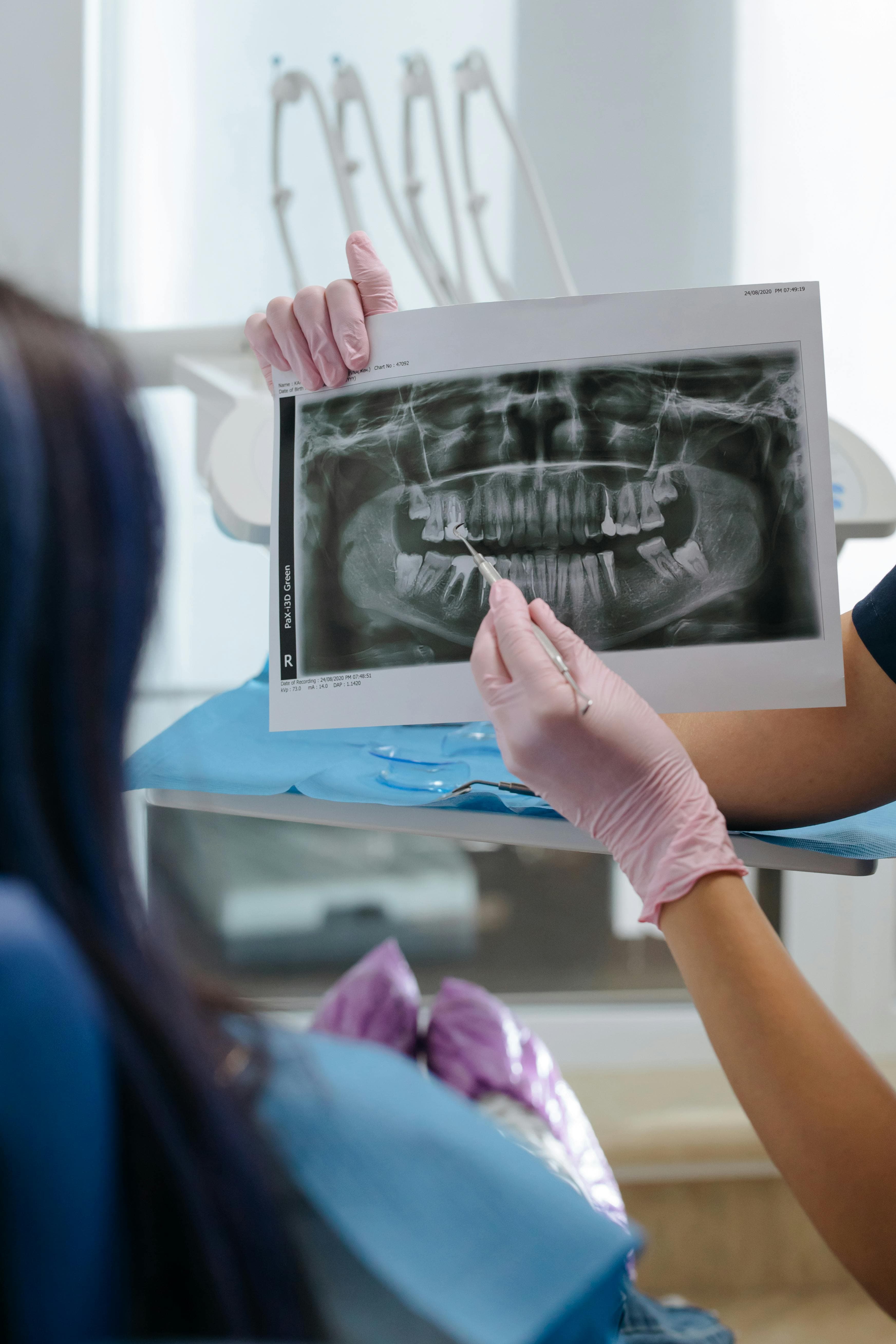
Diagnosing the cause of jaw twitching often involves a comprehensive evaluation by a healthcare provider. This may include:
- Physical examination
- Medical history review
- Neurological tests
- Electromyography (EMG) to measure muscle activity
Treatment options vary depending on the underlying cause. Some potential treatments include:
- Stress reduction techniques
- Dietary changes (e.g., reducing caffeine intake)
- Nutritional supplements
- Medications to address underlying conditions
- Botulinum toxin injections for severe cases
Daniel Tarsy et al. (2006) reported success in treating jaw tremor with botulinum toxin injections, noting a marked reduction in symptoms.
Prevention and Self-Care
While not all causes of jaw twitching can be prevented, some lifestyle changes may help reduce the likelihood or frequency of occurrences:
- Practice stress management techniques
- Maintain a balanced diet rich in essential nutrients
- Get adequate sleep
- Limit caffeine and alcohol consumption
- Practice good posture to reduce tension in the jaw and neck

Conclusion
Jaw twitching, while often benign, can be a source of discomfort and concern. By understanding its potential causes, recognizing when to seek medical attention, and exploring various treatment options, you can effectively manage this condition. Remember, persistent or severe symptoms should always be evaluated by a healthcare professional to ensure proper diagnosis and treatment.