Olive Oil for Eyes: Benefits, Uses, and Safety Considerations
Published on January 29, 2025
Key Takeaway
While olive oil may offer some benefits for eye health, its direct application to eyes should be approached with caution and under professional guidance due to potential risks and limited scientific evidence.
Introduction
Olive oil, renowned for its culinary uses and health benefits, has garnered attention for its potential applications in eye care. While some tout its benefits for various ocular conditions, it's crucial to approach its use with caution and understand both the potential advantages and risks. This article explores the current scientific understanding of olive oil's effects on eye health, proper usage methods, and important safety considerations.
Potential Benefits of Olive Oil for Eye Health
Research suggests that olive oil may offer several benefits for eye health:
- Dry Eye Relief: Some studies indicate that olive oil might help alleviate symptoms of dry eye syndrome. A study by Molina-Leyva et al. (2020) found that a Mediterranean diet rich in olive oil improved dry eye parameters in patients.
- Anti-Inflammatory Properties: Olive oil contains compounds with anti-inflammatory effects, which could be beneficial for certain eye conditions. Santana-Garrido et al. (2021) demonstrated that an olive oil-enriched diet reduced retinal inflammation in a mouse model of hypertension.
- Antioxidant Effects: The antioxidants in olive oil may help protect the eyes from oxidative stress. Cougnard-Grégoire et al. (2016) found that regular consumption of olive oil was associated with a decreased risk of late age-related macular degeneration.

Uses and Application Methods
While direct application of olive oil to the eyes is not recommended without professional guidance, there are several ways olive oil might be incorporated into eye care routines:
- Dietary Consumption: Including olive oil in your diet may contribute to overall eye health.
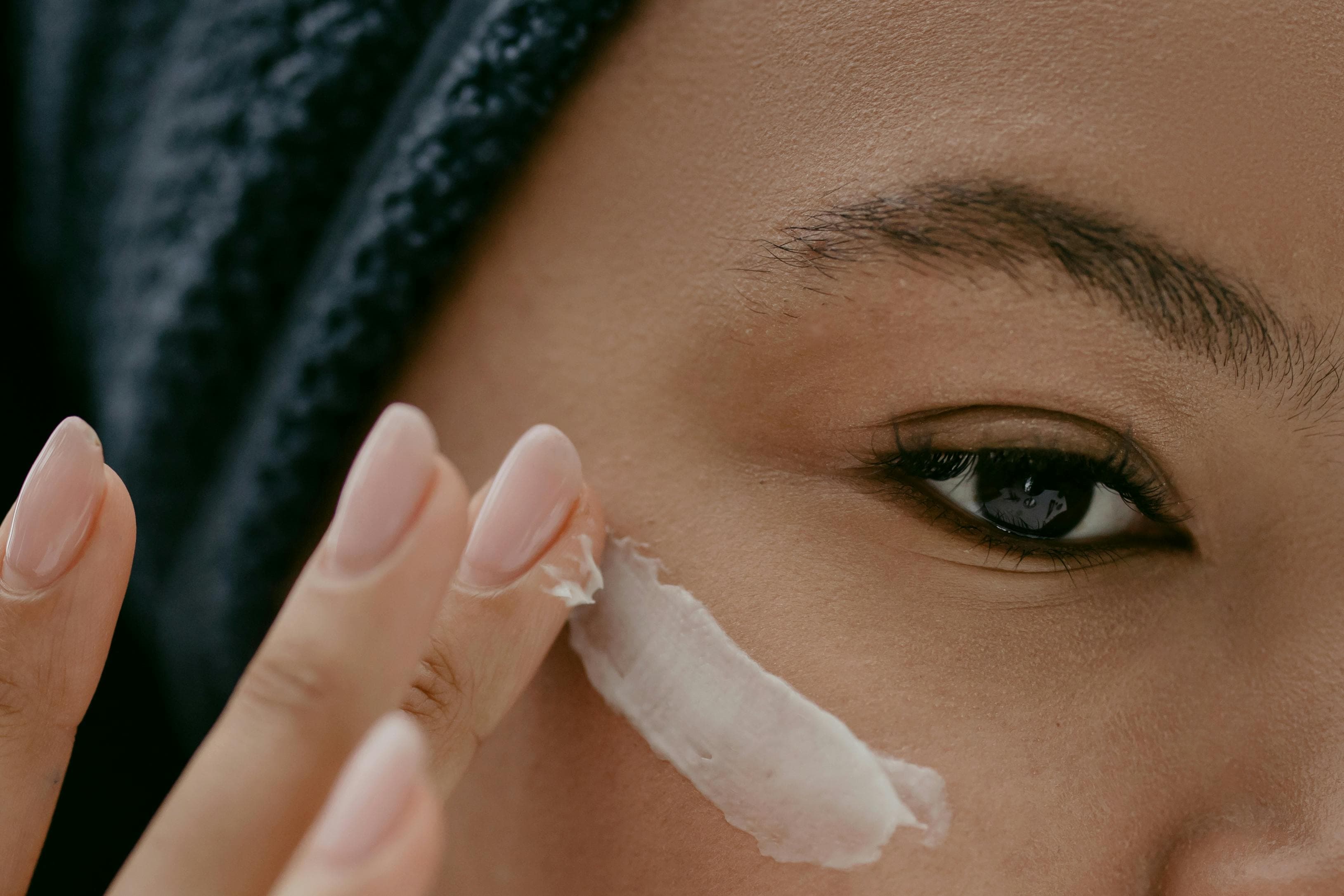
- Eyelash Care: Some people use olive oil to condition eyelashes. De Bellefonds (2021) suggests applying a small amount to eyelashes before bed, though scientific evidence for this use is limited.
- Eye Makeup Remover: Olive oil can be used as a gentle makeup remover, potentially reducing irritation from harsh chemicals.
Safety Considerations and Risks
Despite its potential benefits, applying olive oil directly to the eyes carries risks:
- Irritation: Olive oil can cause irritation or allergic reactions in some individuals. Cafasso (2018) recommends performing a patch test before using olive oil on sensitive areas.
- Increased Permeability: A study by Benítez del Castillo et al. (1994) found that olive oil significantly increased corneal epithelial permeability, which could potentially lead to increased risk of infection or damage.
- Interference with Tear Film: Oils can disrupt the natural tear film, potentially exacerbating dry eye symptoms in some cases.
Professional Guidance and Alternatives
Given the potential risks, it's crucial to consult an eye care professional before using olive oil for eye-related purposes. They may recommend safer alternatives:
- Artificial Tears: For dry eye relief, over-the-counter artificial tears are typically safer and more effective than olive oil.
- Omega-3 Supplements: Deinema et al. (2017) found that omega-3 supplements improved dry eye symptoms and reduced tear osmolarity.
- Prescription Medications: For more severe eye conditions, your doctor may prescribe medicated eye drops or other treatments.
Conclusion
While olive oil shows promise in supporting eye health through dietary consumption and potential topical applications, its direct use in or around the eyes should be approached with caution. The limited scientific evidence and potential risks underscore the importance of consulting with eye care professionals for safe and effective eye care solutions. As research continues, we may gain more insights into the optimal ways to harness olive oil's benefits for ocular health without compromising safety.