Understanding Excessive Blinking in Children: Causes, Diagnosis, and Treatment
Published on October 14, 2024
Key Takeaway
Excessive blinking in children is often benign and self-limiting, but can sometimes indicate underlying conditions requiring medical attention.
Introduction
As parents, we often notice the little quirks and habits our children develop. One such behavior that can cause concern is excessive blinking. While it's normal for children to blink, when it becomes frequent or noticeable, it's natural to wonder if there's an underlying issue. This article will explore the causes, diagnosis, and treatment options for excessive blinking in children.
What is Considered Excessive Blinking?
Before delving into the causes, it's important to understand what constitutes excessive blinking. According to Healthline, babies and young children typically blink only about 2 times per minute. By adolescence, this increases to 14 to 17 times per minute. Blinking that interferes with daily activities or is noticeably more frequent than this could be considered excessive.
Common Causes of Excessive Blinking in Children
There are several reasons why a child might blink excessively:
- Eye irritation (e.g., allergies, dry eyes, foreign objects)
- Uncorrected vision problems
- Stress or anxiety
- Tic disorders
- Habit

When is Excessive Blinking a Concern?
In many cases, excessive blinking is benign and self-limiting. A study published in PubMed found that in a group of children with excessive blinking, all were in excellent health with no associated symptoms of systemic or ocular disease. However, there are instances where it may indicate a more serious condition:
- When accompanied by other neurological symptoms
- If it persists for an extended period
- If it's interfering with daily activities
- When associated with vision problems
Diagnosis of Excessive Blinking
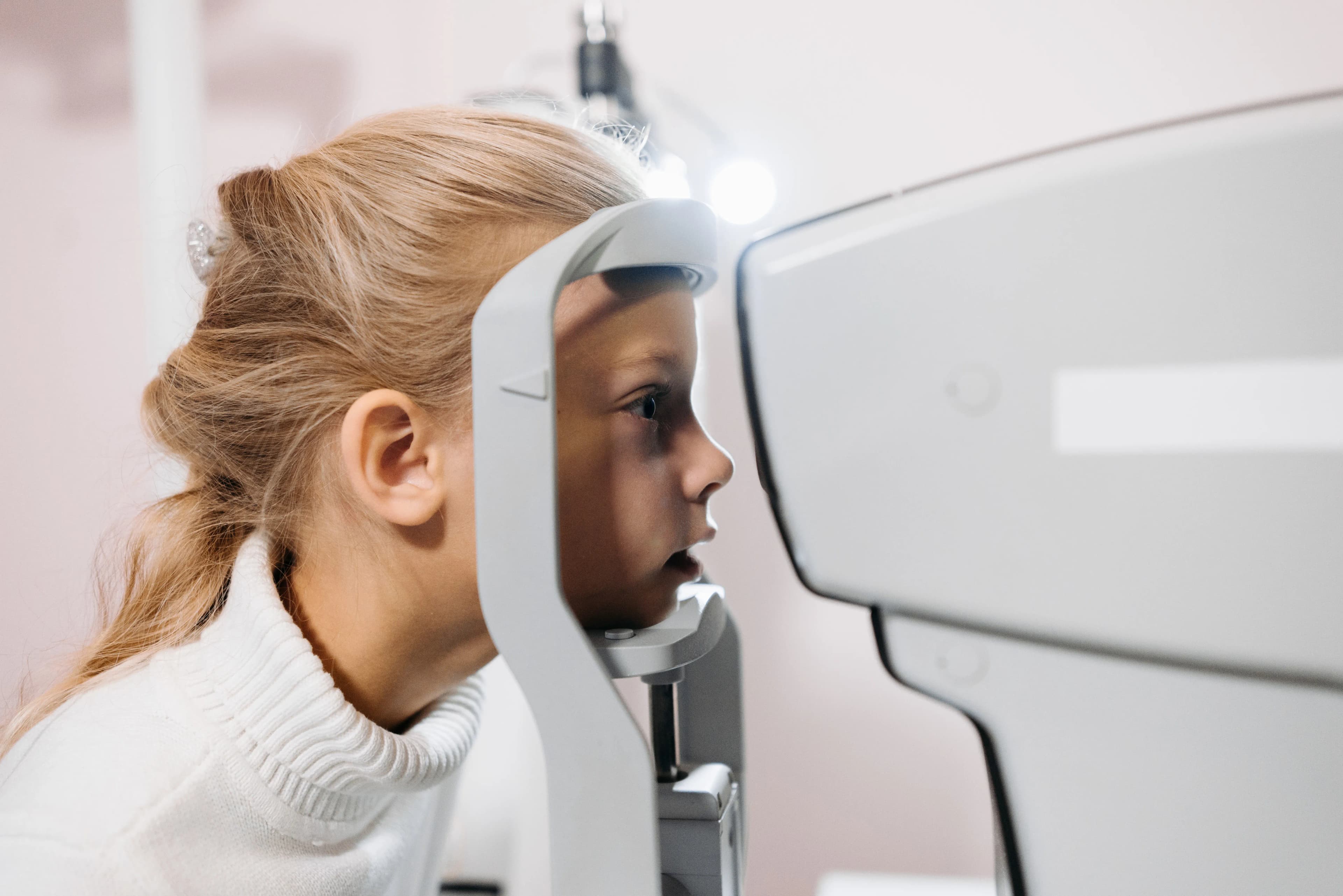
If you're concerned about your child's blinking, it's important to seek professional medical advice. The diagnostic process may include:
- A comprehensive eye exam
- Neurological evaluation
- Observation of blinking patterns
- In some cases, electroencephalography (EEG) or other tests
A study in PubMed found that in a group of children with excessive blinking, no ocular pathology was identified in 91% of cases, highlighting the often benign nature of this symptom.
Treatment Options
Treatment for excessive blinking depends on the underlying cause:
- For eye irritation: Addressing the source (e.g., treating allergies, removing foreign objects)
- For vision problems: Corrective lenses
- For tics: Behavioral therapy or, in some cases, medication
- For stress-related blinking: Stress management techniques
In many cases, especially those related to transient tics, the excessive blinking resolves on its own. A study reported in PubMed found that most children with frequent eye blinking had a transient tic disorder that resolved without specific treatment.
When to Seek Medical Attention
While excessive blinking is often harmless, there are situations where medical attention is necessary:
- If blinking is accompanied by eye pain or vision changes
- If it persists for more than a few weeks
- If it's associated with other neurological symptoms
- If it's causing significant distress or interfering with daily activities
Conclusion
Excessive blinking in children can be alarming for parents, but it's often a benign and self-limiting condition. However, it's important to pay attention to any accompanying symptoms and seek medical advice if the blinking persists or causes concern. With proper evaluation and, if necessary, treatment, most children with excessive blinking have excellent outcomes.