Why Is My Son Blinking His Eyes a Lot? Understanding Excessive Blinking in Children
Published on January 20, 2025
Key Takeaway
Excessive blinking in children is often benign and transient, but it can sometimes indicate underlying conditions that require medical attention.
Introduction
As a parent, you may have noticed your son blinking his eyes more frequently than usual. This can be concerning, but it's important to understand that excessive blinking in children is often a benign and temporary phenomenon. However, in some cases, it may indicate an underlying condition that requires attention. This article will explore the various causes of excessive blinking in children, when to seek medical advice, and how to address this behavior.
Common Causes of Excessive Blinking in Children
There are several reasons why your son might be blinking excessively:
- Eye Irritation: According to a study by T R Vrabec et al. (1989), common causes of excessive blinking include eye irritants such as dust, pollen, or foreign objects in the eye.
- Dry Eyes: Insufficient tear production can lead to increased blinking as the eyes attempt to lubricate themselves.
- Refractive Errors: Uncorrected vision problems like nearsightedness or farsightedness can cause eye strain and increased blinking.
- Stress or Anxiety: Emotional factors can manifest as physical symptoms, including excessive blinking.
- Tic Disorders: Hee-Yeon Jung et al. (2004) found that tic disorders were diagnosed in 43 out of 50 children with frequent eye blinking.

When to Be Concerned
While most cases of excessive blinking are harmless, there are instances where it may indicate a more serious condition:
- Persistent Blinking: If the blinking continues for several weeks without improvement.
- Accompanying Symptoms: Look out for other signs such as eye redness, discharge, or vision changes.
- Impact on Daily Life: If the blinking interferes with your child's activities or schoolwork.
- Neurological Symptoms: In rare cases, excessive blinking can be associated with neurological conditions. Raffaele Falsaperla et al. (2016) reported a case where unilateral eye blinking was a manifestation of seizures in a young child.
Diagnosis and Treatment
If you're concerned about your son's excessive blinking, consider the following steps:
- Consult a Pediatrician: They can perform an initial assessment and refer you to specialists if needed.
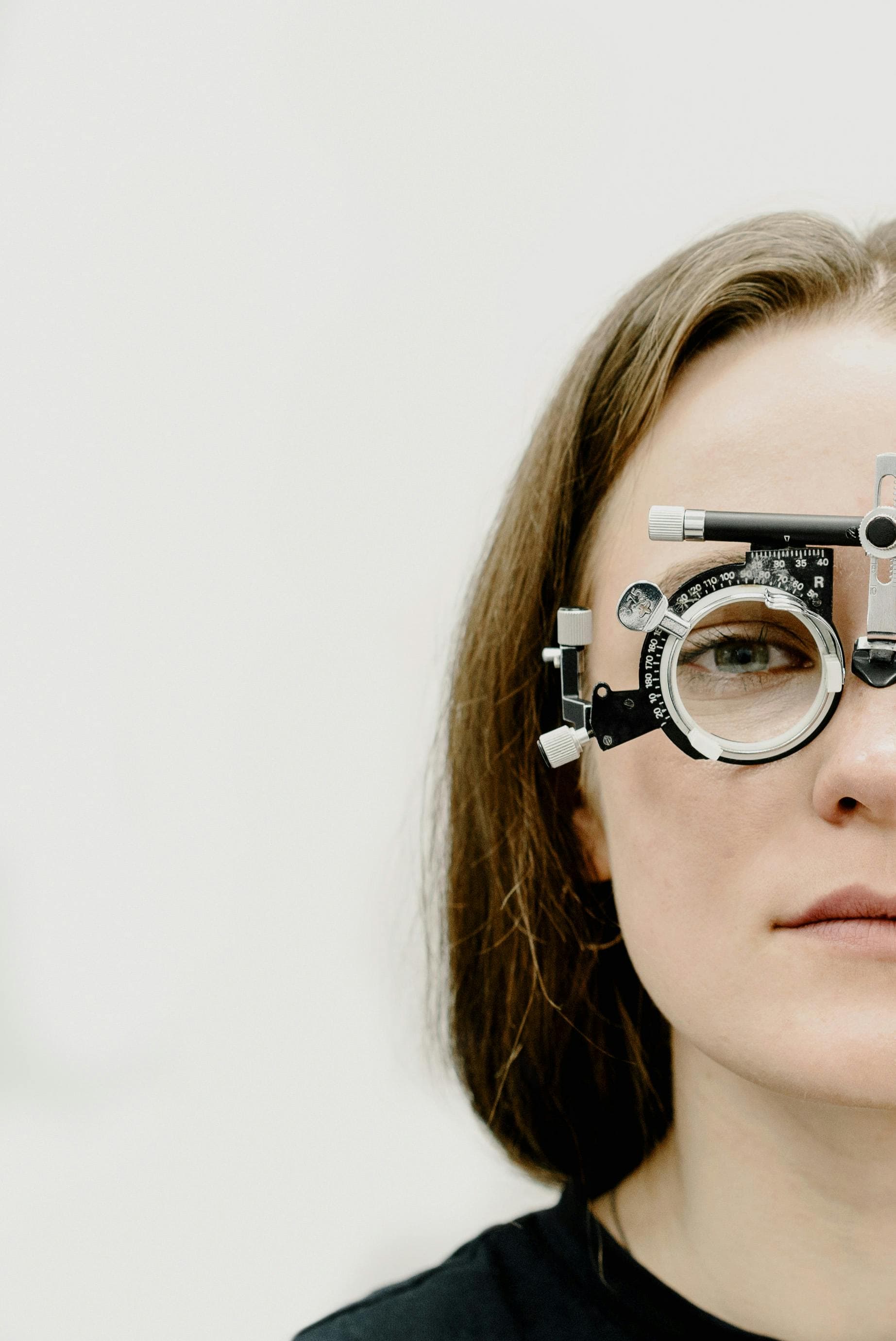
- Visit an Ophthalmologist: An eye specialist can check for any underlying eye conditions.
- Consider a Neurological Evaluation: In some cases, a neurologist may be consulted to rule out any neurological causes.
- Behavioral Assessment: If stress or anxiety is suspected, a child psychologist might be helpful.
Managing Excessive Blinking
Depending on the cause, there are several ways to manage excessive blinking:
- Address Eye Irritation: Use artificial tears or remove environmental irritants.
- Correct Vision Problems: Ensure your child wears prescribed glasses if needed.
- Reduce Screen Time: Hui Zhao et al. (2021) found that prolonged video display terminal use is a risk factor for abnormal blinking in children.
- Stress Management: Help your child develop coping strategies for stress and anxiety.
- Medication: In cases of tic disorders or other neurological conditions, medication may be prescribed under medical supervision.
Conclusion
While it can be worrying to see your son blinking excessively, remember that in most cases, it's a temporary issue that resolves on its own. However, if the blinking persists or is accompanied by other symptoms, don't hesitate to seek medical advice. By understanding the potential causes and knowing when to consult a professional, you can ensure your child receives the appropriate care and support they need.